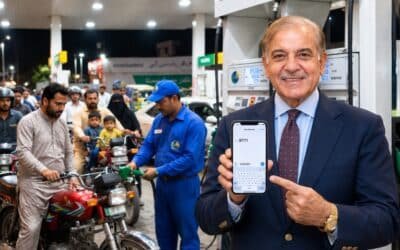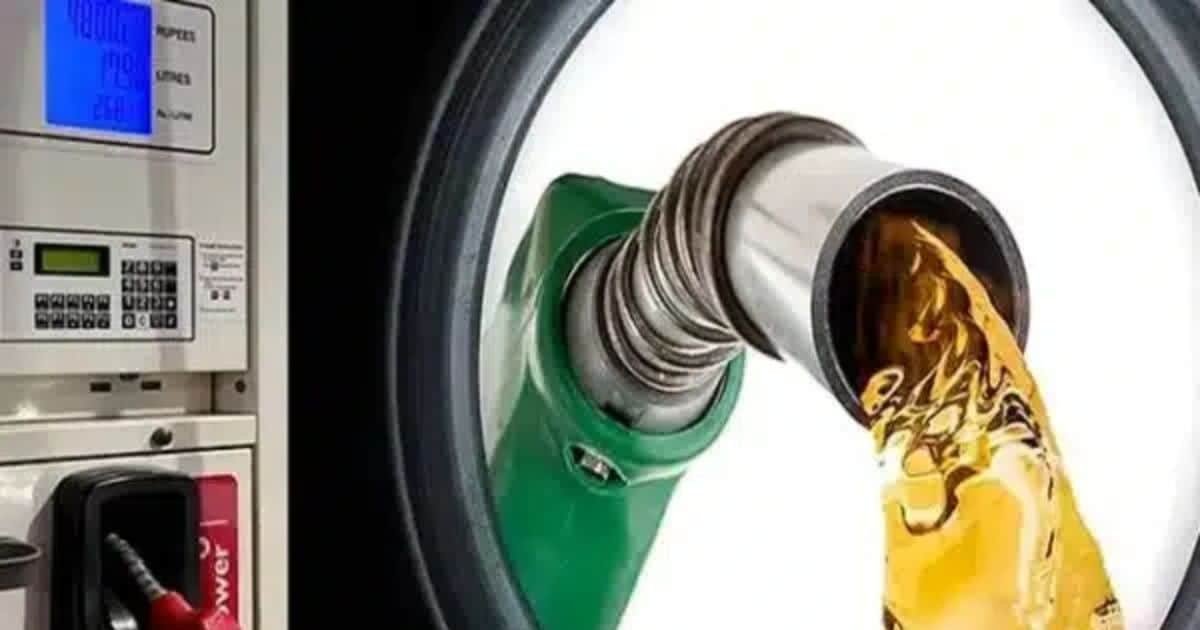





The government has confirmed a massive increase in the Petroleum Development Levy (PDL), directly fulfilling a stringent condition set by the International Monetary Fund (IMF). Sources within the Ministry of Petroleum revealed that the record-breaking Rs 55 per litre hike implemented on March 7 was driven more by tax adjustments than by international market prices alone.
Breaking Down the Rs 55 Hike
While global oil prices have surged due to the Middle East conflict, only about Rs 35 of the recent increase is attributed to the “pass-through” of international costs. The remaining Rs 20 is a result of the government raising the PDL to meet the fiscal targets of the Extended Fund Facility (EFF).
Pakistan Immediately Rises Petrol Prices on IMF Pressure: Experts
Disclaimer: This post is for informational purposes only. #petrol #pakistan #newprices pic.twitter.com/BOrCaDaFHP
— Startup Pakistan (@PakStartup) March 6, 2026
| Component | Cost Impact (Rs) | Percentage of Hike |
| Global Market Increase | +35.00 | 63.6% |
| Petroleum Development Levy (PDL) | +20.00 | 36.4% |
| Total Price Increase | +55.00 | 100% |
PDL Surge to Rs 105: Reaching for the Rs 1.468 Trillion Target
To ensure the primary surplus required by the IMF, the government has pushed the PDL on petrol from Rs 85 to Rs 105 per litre. This historic level is designed to guarantee the collection of Rs 1,468 billion by the end of the fiscal year (June 30).
Long queues and panic buying reported at petrol pumps across Pakistan.
Pak govt hikes petrol-diesel prices by PKR 55/litre, citing surging global oil costs linked to escalating #USIranConflict.
huge panic in multiple cities of Pakistan as the oil shortage worsens. pic.twitter.com/ohXeKdJD6N
— Prashant Umrao (@ippatel) March 7, 2026
Industry experts note that while the public was braced for a market-led increase, the additional levy has significantly intensified the inflationary pressure. Without this tax adjustment, the price of petrol would have settled at approximately Rs 301, rather than the current Rs 321.17.
“The IMF was adamant that we front-load the revenue collection. By increasing the levy now, we are attempting to bridge the gap in our tax targets caused by the earlier subsidies.” — Ministry of Petroleum Source.
Weekly Pricing and Global Benchmarks
The Ministry has also shifted toward a weekly review of prices to react faster to the volatility in the Gulf. This means that if the Strait of Hormuz remains closed, the PDL could see further adjustments to offset any drop in consumption volume, ensuring the government’s revenue stream remains intact.
Key Fiscal Highlights:
- New PDL Rate: Rs 105 per litre (Up from Rs 85).
- IMF Target: Rs 1,468 billion by June 30, 2026.
- Price Floor: Rs 321.17 per litre of petrol.
- Economic Reality: The levy now accounts for nearly one-third of the total price paid at the pump.
Impact on Transport and Essential Goods
Following the Rs 55 hike, transport unions across Punjab and Sindh have already announced a 15% to 20% increase in inter-city fares. The government is expected to release a subsidized “Green Card” for registered public transport vehicles later this week to prevent a total shutdown of the logistics sector.
You May Like To Read: