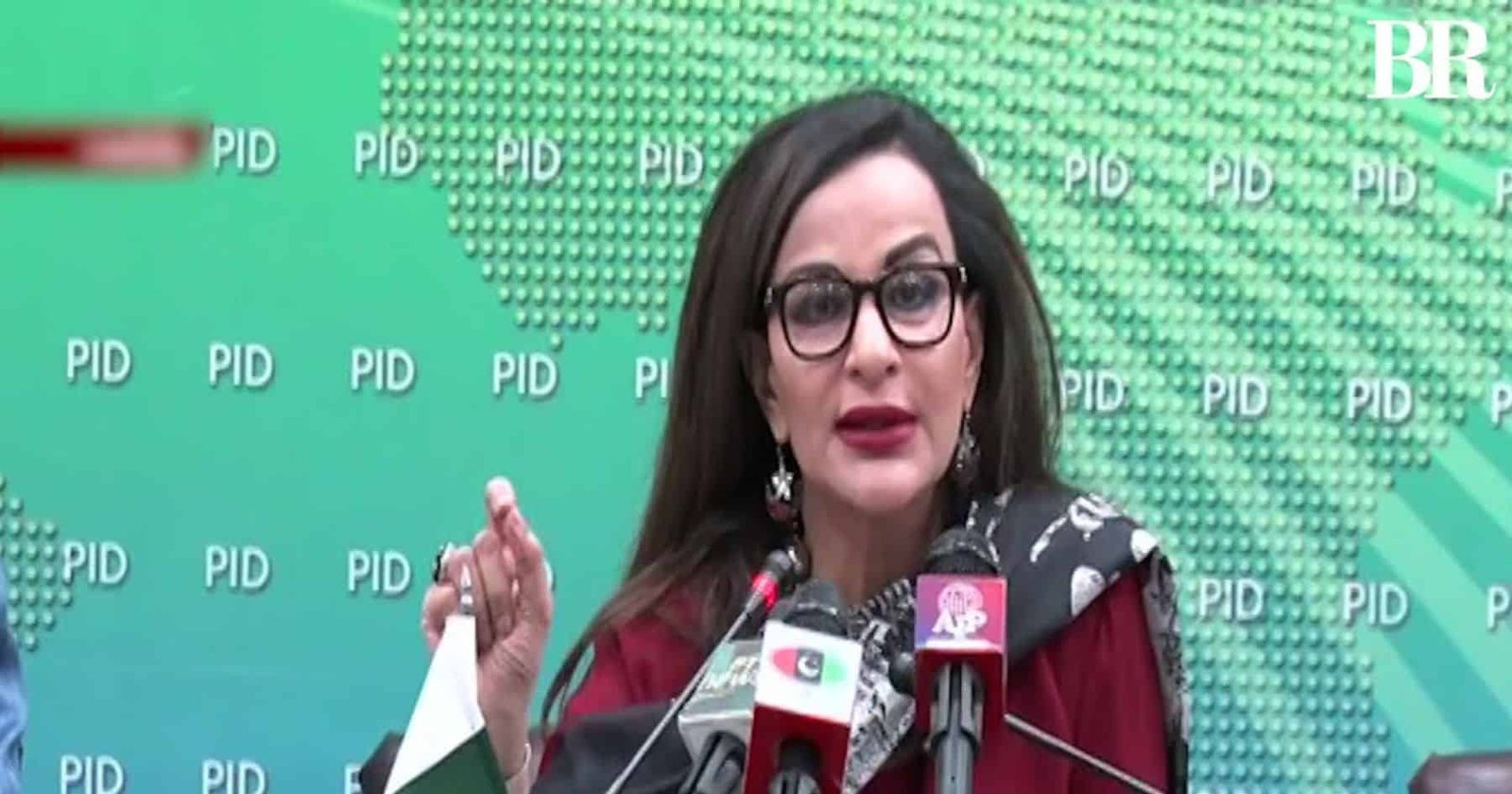





ISLAMABAD, October 30, 2025: Senator Sherry Rehman, chairperson of the Senate Standing Committee on Climate Change and Environmental Coordination, has emphasised the need for a unified regional framework to achieve a just and inclusive energy transition, urging Pakistan and Central Asian states to work collectively toward sustainable development.
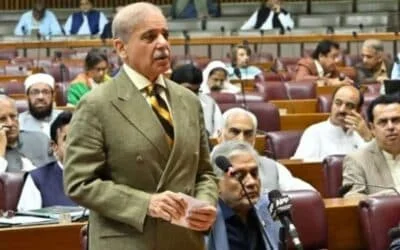
Speaking at the ‘Pre-COP30 Pak-C2 Energy Transition Dialogue’, Senator Rehman said that Pakistan, Kazakhstan, and Uzbekistan — collectively representing the Pakistan-C2 region with a combined population of over 308 million and a GDP of $848 billion — possessed both the scale and shared vulnerabilities to chart a joint path for the Global South in the global energy transition.
“We must dream the same green dream,” she said, adding that an effective energy transition “cannot happen in silos”. She proposed the creation of a Pak-C2 Energy Transition Task Force to build consensus, pool resources, and coordinate regional climate strategies.
The world needs reminding of these statistics of shame for Indian illegally occupied Jammu and Kashmir. Impunity for systematic ethnic cleansing is what lets the carnage continue #BlackDay #Kashmir pic.twitter.com/thpcUA8RKl
— SenatorSherryRehman (@sherryrehman) October 27, 2025
Senator Rehman underlined the distinction between climate justice and domestic governance, asserting that “the world must not ask the most climate-vulnerable nations to carry the burden of others’ emissions”. She maintained that frustration over limited national progress should not deter developing countries from pursuing global climate justice, noting that “shared responsibility is the essence of climate politics.”
You May Also Like: India is Killing Kashmiri Leaders in Jails
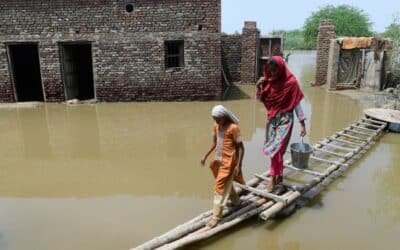
Highlighting global disparities, she pointed out that fossil fuels continue to receive $7 trillion in annual subsidies, despite record investment in renewable energy. “The world is adding renewables but not replacing fossil fuels,” she cautioned, warning that this dual expansion was pushing vulnerable countries like Pakistan — where temperatures can exceed 53°C — closer to the brink.
She reiterated that Pakistan contributes less than one per cent to global emissions yet bears severe consequences from climate-induced disasters. Citing International Energy Agency data, she noted that developing nations require $4.5 trillion annually by 2030 for clean energy, but face high capital costs and limited de-risking tools.
“Climate finance is not charity; it is justice,” she concluded.
Check out our latest video: