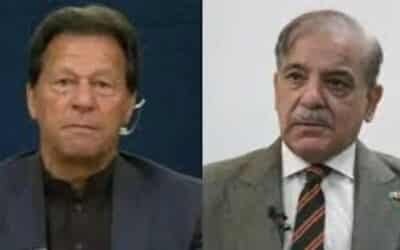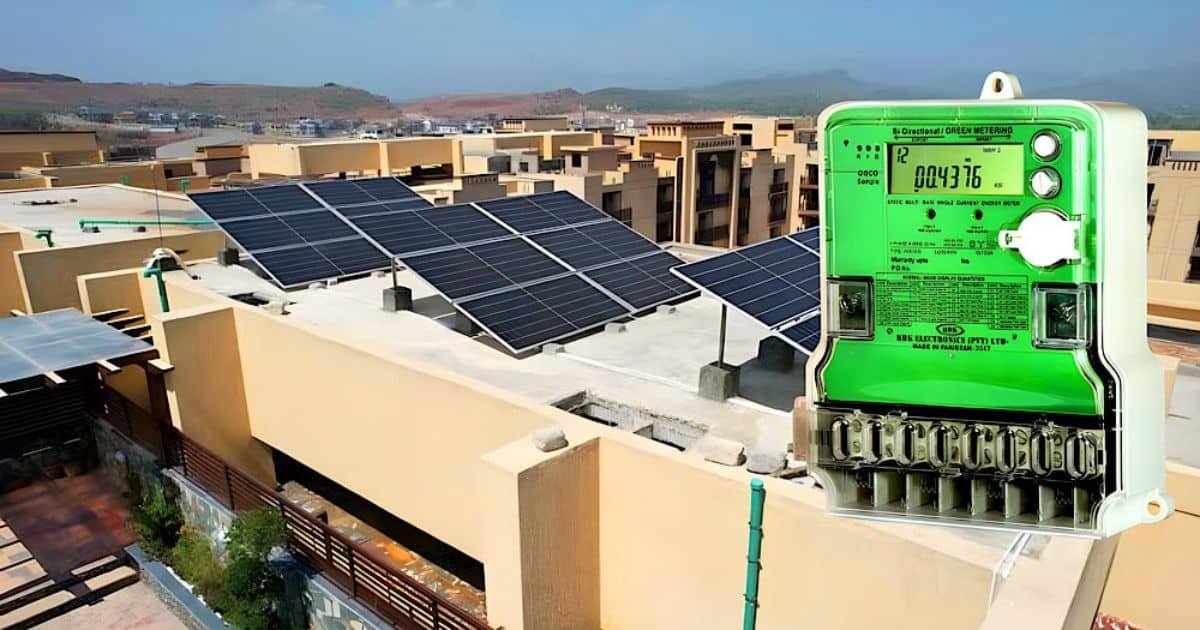





In a heated National Assembly session on Thursday, February 12, 2026, Power Minister Sardar Owais Leghari defended the government’s shift from net-metering to net-billing. While the policy has sparked a national outcry, Leghari argued the move is essential to protect the 35.5 million consumers who do not have solar panels from rising electricity costs.
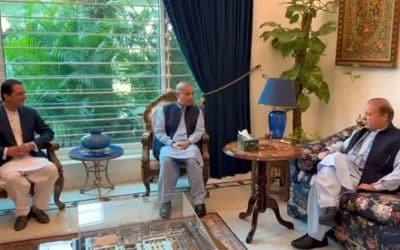
The debate comes just 24 hours after Prime Minister Shehbaz Sharif intervened, ordering a formal review to protect the contracts of existing solar users.
The Great Solar Debate: Net-Metering vs. Net-Billing
The core of the dispute lies in how surplus electricity is valued. Under the newly notified Prosumer Regulations 2026, the decade-old "unit-for-unit" exchange has been abolished.
| Feature | Old System (Net-Metering) | New System (Net-Billing) |
| Exchange Logic | 1 unit exported = 1 unit imported offset. | Units bought/sold at different prices. |
| Export Rate | ~Rs 22–27 per unit | ~Rs 10–11 per unit (NAEPP) |
| Import Rate | Slab-based (Rs 37–55+) | Slab-based (Rs 37–55+) |
| Contract Term | 7 Years | 5 Years |
Minister Leghari’s Defense: "Fair Pricing"
Minister Leghari presented a data-driven defense, dismissing claims that the policy is "anti-solar."
The government has pulled the plug on net metering, switching to net-billing policy for prosumers. Net-billing forces prosumers to sell cheap and buy expensive — a bad deal dressed up as policy.
Shorter contracts, export buyback rate at national average energy purchase price… pic.twitter.com/u9AH5sSH6S
— Economic Policy & Business Development (@EPBDT) February 13, 2026
- The "1% vs. 99%" Argument: He noted that only 466,000 users (about 1.3% of total consumers) use net-metering. He argued that the "generous" returns for this small group resulted in a Rs 101 billion revenue loss for DISCOs in 2024, which was then passed on to non-solar users.
+1 - Return on Investment: Leghari stated that even under the new rules, solar users would see a 37% return on their investment—down from 50%, but still significantly higher than bank deposits (8%) or IPP returns (17%).
- Grid as a "Free Battery": He argued that the grid was being used as a storage facility without consumers paying for its maintenance or the "capacity charges" of idle power plants.
Political Backlash: "U-Turn on Green Energy"
The policy faced fierce opposition from both allies and rivals. PPP MNA Sharmila Faruqui termed the move "daylight robbery," accusing the government of penalizing citizens who invested their own money to follow the state's green energy policy.
Critics' Argument: The government is "shifting the blame" for its own inefficiencies—such as line losses, theft, and expensive IPP contracts—onto the very citizens who helped reduce the burden on the national grid.
The Prime Minister’s Review: What Happens Next?
Following the Prime Minister’s "immediate notice" on February 11, the following safeguards are being processed:
- Contract Protection: Existing solar users (the 466,000 already registered) will likely be shielded from the lower rates until their current 7-year contracts expire.
- NEPRA Review Petition: The Power Division has been directed to file an appeal with NEPRA to refine the "net-billing" methodology.
- Fixed Charges: While per-unit rates may drop slightly for some, NEPRA has introduced fixed monthly charges (Rs 200–400 per kW) that will impact both solar and non-solar consumers
You May Also Like: