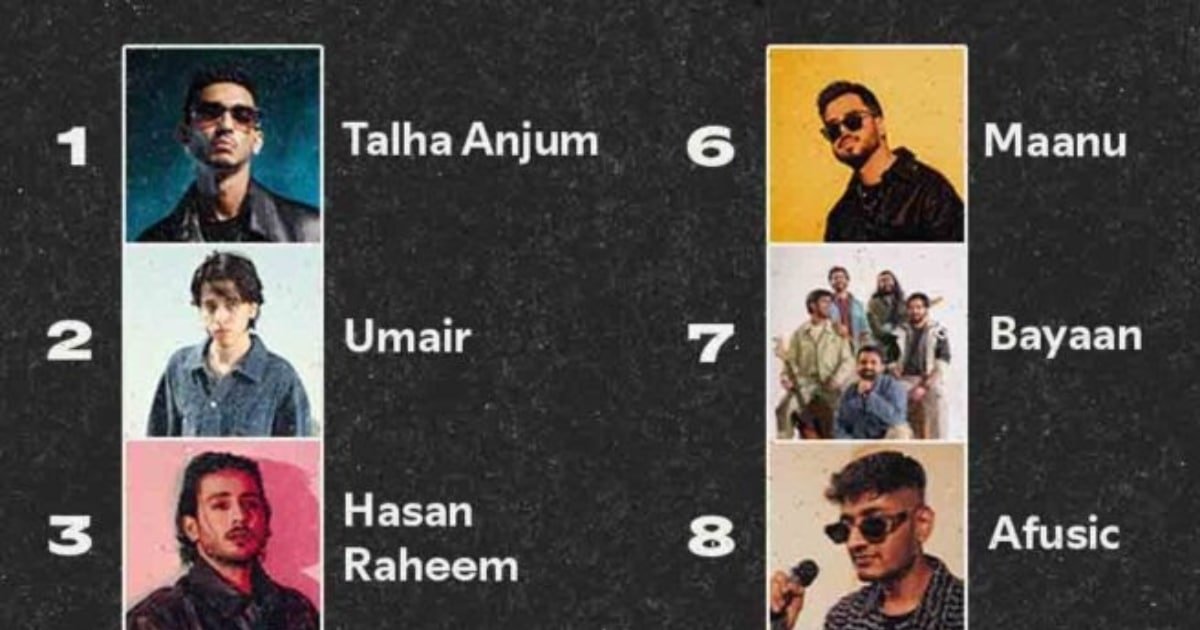





The confirmation that Karachi-based rapper Talha Anjum is Pakistan’s most-streamed artist of 2025 is far more than a simple metric of personal success; it is the definitive cultural marker of the music industry’s new order. This achievement signifies the triumph of the digitally sovereign artist, a self-made creator who speaks in the authentic, uncensored language of the street, unburdened by the institutional gatekeepers of the past.
This triumph is not merely a shift in musical taste; it is the culmination of decades of industry struggle, technological disruption, and creative tenacity. To truly appreciate the scale of the independent hip-hop revolution, one must trace the evolution of the Pakistani music industry through its three distinct eras: the Golden Age of State Control, the Dark Age of Piracy, and the Age of Corporate Patronage.
The Golden Age and The Dark Age (1980s – Mid-2000s)
The first era of modern Pakistani music was defined by Pakistan Television (PTV). In the 1980s and 1990s, PTV, as the sole provider of national electronic media, held absolute power over who achieved fame. It was the crucial medium for national integration and the primary vehicle for cultural narratives.
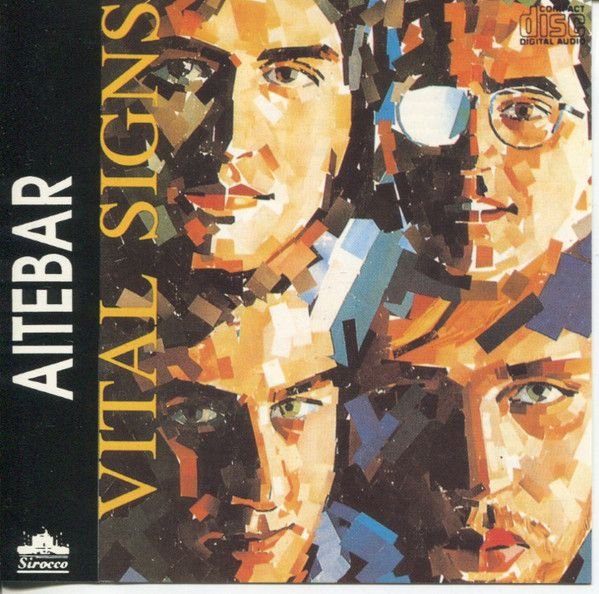
An album cover from the band “Vital Signs.”
Source: Pinterest
PTV heavily promoted a vibrant mix of genres, creating icons like Vital Signs and Junoon, who formed the backbone of the pop-rock scene. Success was centralized; PTV provided the infrastructure, the audience, and the legitimacy. The revenue model relied on physical sales (cassettes and CDs) and lucrative brand endorsements secured via this mass exposure.
This model was brutally disrupted starting in the late 1990s. The rise of digital technology and widespread, unpoliced music piracy, initially through pirated cassettes and later through illegal downloads (like Napster and torrents), decimated physical sales. Without royalty enforcement and with physical sales revenue streams collapsing, the entire industry became financially unviable. Artists lost hundreds of millions in revenue, and major music labels declared bankruptcy.
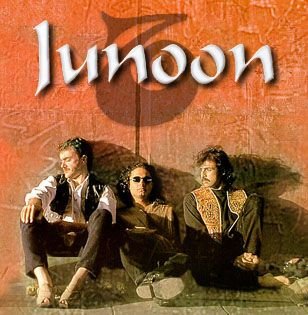
A poster of the band “Junoon.”
Source Pinterest
By the mid-2000s, the official Pakistani music industry was in a profound crisis. Many artists either moved abroad, pivoted to Bollywood, or became dependent on the volatile income from high-taxed live concerts, which, at the time, were deemed too risky due to security concerns. The concept of earning a steady income from recorded music became a myth.
The Era of Corporate Patronage (Mid-2000s – 2018)
The industry found a partial savior in the form of branded content, spearheaded by the launch of Coke Studio (CS) in 2008. This marked the Age of Corporate Patronage, defining the sound and aesthetics of Pakistani music for nearly a decade.
Coke Studio, under producers like Rohail Hyatt, offered high-production value, stellar musicianship, and global distribution (via YouTube) for free. Its defining characteristic was the blend of popular contemporary music with traditional Pakistani folk and classical styles. CS provided the much-needed infrastructure and gave Pakistani music a recognizable international identity.
While CS was a cultural phenomenon that revived quality music production, it was still a system of patronage. Success was granted by an executive decision, and the music served a corporate brand narrative. It dictated a certain sound, polished, fusion-oriented, and often focused on established acts, leaving little space for raw, challenging, or niche genres like hip-hop, which was seen as too underground or controversial.
Crucially, while CS dominated the airwaves, the digital landscape was quietly being built underneath it. Independent artists were already experimenting with YouTube and rudimentary online tools, realizing the power of direct-to-fan distribution, which set the stage for the streaming boom.

Source: IMDB
The Age of Digital Sovereignty (2019 – Present)
The official launch of global streaming platforms like Spotify in Pakistan coincided perfectly with the organic growth of the independent hip-hop scene, ushering in the current era of Digital Sovereignty.
Rappers like Talha Anjum and Talhah Yunus (The Young Stunners) had spent years cultivating a massive, hyper-engaged following through YouTube and Soundcloud, perfecting a sound that was deliberately distinct from the Coke Studio aesthetic. Their music, sharp, urban, socially acute, and reflective of youth frustration and aspiration, was deemed too real, too politically sensitive, or too raw for the old infrastructure.
Streaming immediately democratized the field. The cost of entry for production and global promotion dropped to near zero. Artists could record a track in a home studio, distribute it globally within hours, and earn revenue correlated directly to listener demand. The audience, not the corporation, became the ultimate gatekeeper, choosing authenticity over corporate-approved polish.

The hip-hop duo Young Stunners.
Source: Spotify
Anjum’s repeated victory as the most-streamed artist in 2025 is concrete proof that the youth demographic is overwhelmingly choosing the unfiltered narratives of Urdu rap. This genre, addressing themes of class struggle, identity, and the existential malaise of the metropolitan youth, resonates precisely because it was not granted permission by the old power structure, it seized it.
The New Economic Architecture: Producers and Ownership
The sustained success of this independent class is built on a new, collaborative economic model powered by creative partnerships, particularly with producers.
The traditional model of a producer as a technician hired by a label is obsolete. Figures like Jokhay (Umair Khan), a key producer in the Karachi hip-hop scene, are now co-creators and strategic partners. Jokhay is credited not just with shaping the melodic, R&B-influenced backdrop for Urdu rap, but with building the ecosystem by fostering and introducing countless underdog artists through his own collaborative albums.
The central win of the streaming era is the ability for artists to retain and commercialize their Intellectual Property (IP). Independent artists globally generated over $5 billion from Spotify in 2024. In Pakistan, where local streaming penetration is skyrocketing, that digital share of income, combined with the lucrative live shows their streaming popularity enables, is finally creating sustainable, artist-owned careers. The digital landscape has turned a one-time physical sale into an ongoing global revenue stream, bypassing the local middlemen who historically extracted the majority of the profit.
The Remaining Hurdles and the Future of Sovereignty
While the artistic revolution is complete, the final phase, securing the economic foundations, is still underway. Despite the digital renaissance, significant hurdles remain, particularly around revenue sustainability and institutional support:
While streaming platforms pay royalties, Pakistan still lacks a functional, centralized system for enforcing copyright and intellectual property laws across all media. Artists lose out substantially when their music is used in local television, radio, or commercials without proper licensing and royalty payments.
Although streaming has curtailed much of the organized piracy, a large segment of the population still uses unauthorized methods (like stream-ripping from YouTube) rather than paid subscriptions. This limits the growth of the paid subscriber base that fuels the entire royalty ecosystem.
The state and cultural bodies must play a role in solidifying this digital economy. This includes investing in a Collective Rights Management Organization (CRMO), aggressively enforcing copyright laws, and promoting accessible mental health initiatives, an essential support system for young artists facing the intense scrutiny and pressure of digital fame.
You May Like To Read: Gulf Glamour in Karachi: UAE Culinary Fair Brews Cultural Ties at WCF
The success of the independent artist is a powerful testament to the creative and economic potential of a digitally-empowered Pakistan. It’s now the responsibility of the industry and policymakers to ensure this extraordinary creative energy is built on a legal and financial foundation that guarantees the longevity and fair value of the art being produced.