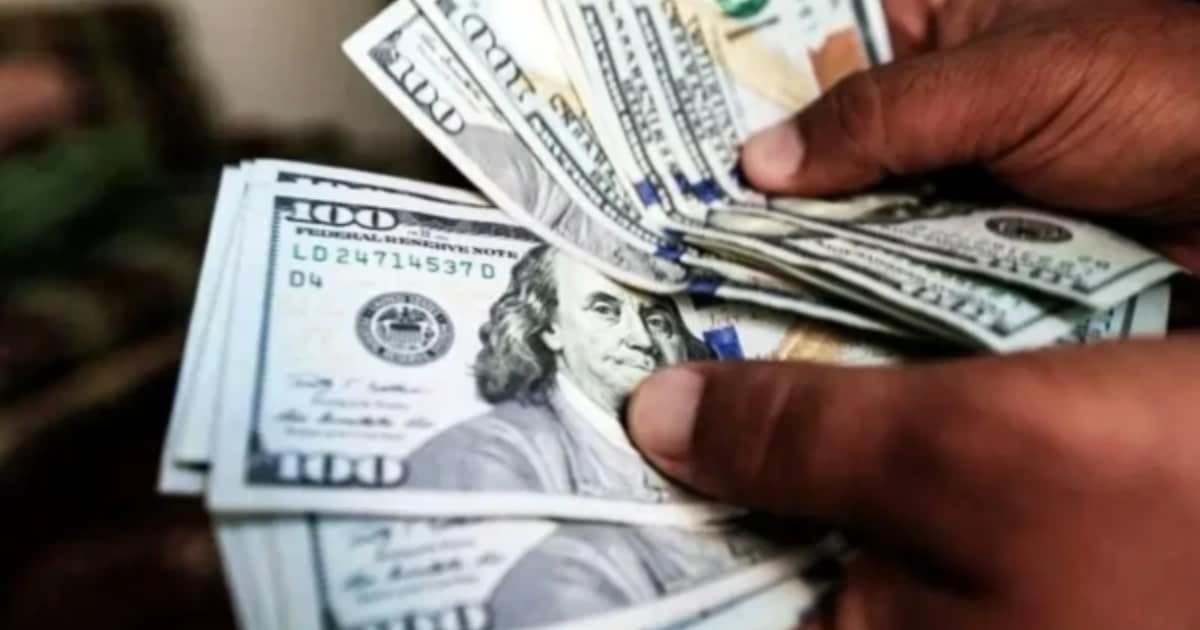




KARACHI: The continued depreciation of the US dollar against the Pakistani rupee has triggered growing concerns among industry and currency market experts, who warn that its multidimensional negative impacts could begin to weigh on the economy if the trend persists.
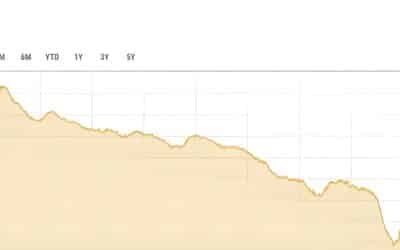
After slipping below the key psychological level of Rs280 on Monday, the greenback was trading at Rs279.91 on Tuesday. Currency analysts believe the dollar may weaken further against the rupee, though the pace of depreciation is expected to slow in the coming days.
Market participants broadly agree that the exchange rate is being managed, a strategy that has helped stabilise Pakistan’s external sector in recent months. However, experts caution that excessive appreciation of the rupee could distort market behaviour. “If the dollar depreciates further, exporters would not sell their entire proceeds immediately, as they would wait for a better price,” said a currency expert, highlighting the risk of delayed inflows.
Currently, exporters remain under strict monitoring by the State Bank of Pakistan (SBP), making it difficult to divert export proceeds outside the formal banking channel. Despite this, currency dealers say alternative avenues always exist on the other side of the market, which could undermine official efforts.
Concerns have also been raised about the potential impact on workers’ remittances, a critical source of foreign exchange for Pakistan. Tresmark CEO Faisal Mamsa warned that further dollar depreciation could discourage remittance inflows, recalling past episodes when the greenback moved into the black market. “The State Bank should take this issue seriously before it starts hurting the economy,” he said.
Mamsa noted that market sentiment plays a decisive role in currency dynamics. “The turning point comes when sentiment deteriorates. As confidence weakens, flows slow and expectations change abruptly. At that stage, the rupee’s behaviour becomes sentiment-driven rather than valuation-driven, making policy responses crucial,” he added.
You May Also Like: Prime Minister Shehbaz Sharif to Lead Delegation to World Economic Forum Summit in Davos
Other currency dealers echoed similar concerns, saying remittance senders could choose to sell dollars before they officially enter the country, potentially altering market sentiment. Despite these risks, remittances have grown by 10.6 per cent during the first six months of FY26, offering some relief on the external front.
Data show that exchange companies sold about $1.4 billion to banks during July–December FY26, compared with around $2 billion in the same period of FY25, indicating a slowdown in formal dollar inflows.
So far this year, remittances have increased by 10.6 per cent in the first six months of FY26.https://t.co/1HXjUHuiWF
— Dawn Business (@dawn_business) January 21, 2026
Experts argue that keeping the dollar close to Rs280 may be a more balanced approach, as further depreciation could divert liquidity into alternative avenues such as cryptocurrencies. Unofficial estimates suggest the crypto market has already attracted around $800 million this year.
Meanwhile, exporters are increasingly looking abroad. Pakistan’s largest garment exporter, Interloop, has established a manufacturing unit in Egypt, reflecting a broader trend. Analysts warn that high taxes, rising costs and a lack of incentives could push more exporters to invest overseas, further complicating Pakistan’s economic outlook.
Check out our latest video: