



U.S. Secretary of State Marco Rubio, speaking after a high-stakes G7 summit in France on March 27, 2026, has sought to calm global fears of a protracted “Forever War.” He explicitly rejected the idea of a large-scale ground invasion of Iran, asserting that U.S. military objectives are being met “on or ahead of schedule” through air and naval dominance.
Absolute panic in Washington. Marco Rubio whines that Iran is planning to permanently control the Strait of Hormuz and charge a toll. He admits the US is powerless to stop it alone and begs the rest of the world to step in. Iran has completely outsmarted the American empire. pic.twitter.com/23VHAxWg0Y
— Furkan Gözükara (@FurkanGozukara) March 27, 2026
While Rubio dismissed the need for “boots on the ground” to achieve core objectives, the Pentagon is nonetheless moving heavy assets into the region:
- Marine Contingents: Two contingents of thousands of Marines are currently en route via large amphibious assault ships (such as the USS Bataan group), expected to arrive by March 31.
- Elite Airborne Units: Thousands of paratroopers are being positioned in neighboring allied bases (likely in Kuwait and Jordan).
- Rubio’s Justification: He clarified that these deployments are not for an invasion but to provide President Trump with “maximum authority” and tactical options should the situation shift.
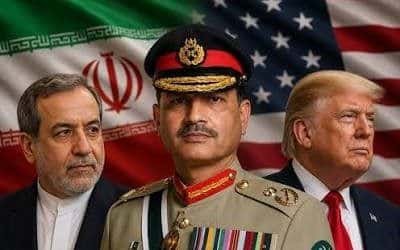
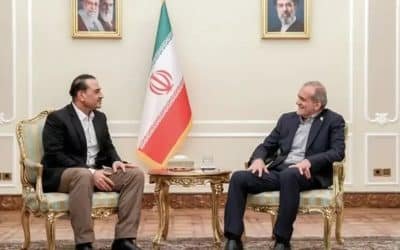
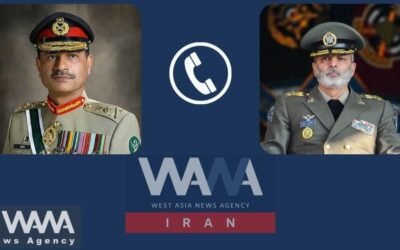
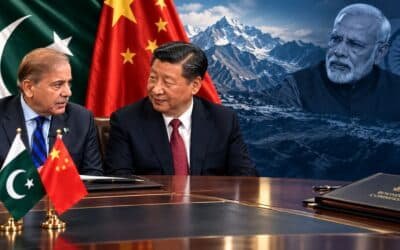
The core of the current tension revolves around a 15-point framework delivered to Tehran via Pakistani mediators.
Our mission is clear. Iran will never obtain a nuclear weapon. In my meeting with the G7 foreign ministers, I reiterated that we must meet this moment with maximum partner contributions.
— Secretary Marco Rubio (@SecRubio) March 27, 2026
- The U.S. Demands: The proposal includes “maximalist” requirements:
- Total dismantling of Iran’s nuclear and ballistic missile programs.
- Relinquishing Iranian control over the Strait of Hormuz to an international maritime task force.
- Ending support for regional proxies.
- The Iranian Counter: While Iran’s public rhetoric has been a flat rejection—labeling the deal as “pro-Israel”—sources indicate that a counter-proposal is being drafted and may be delivered through third-party intermediaries (like Oman or Pakistan) as early as late Friday night.
You May Like To Read: Operation Promised Truth 4: Middle East Tensions Peak as Iran Strikes Regional Targets
Check out our latest video: