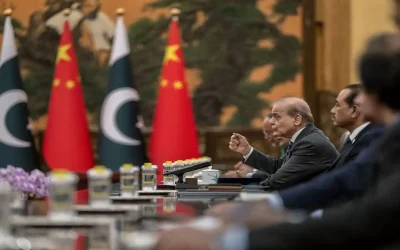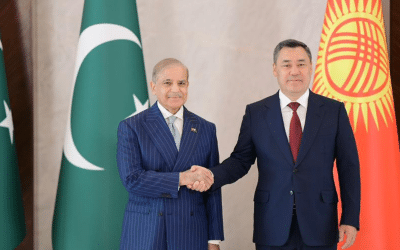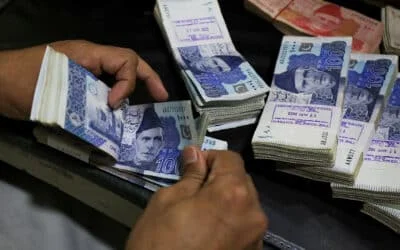




Following a dire warning from the Petroleum Division about a looming supply crisis, the federal government has officially overhauled how you pay for fuel. By moving to a weekly adjustment mechanism, the government aims to prevent “oil marketing companies” from going bankrupt due to soaring insurance and freight costs while discouraging hoarding at local petrol pumps.
How the New Weekly Formula Works
The new mechanism is designed to be more “surgical” and responsive to the daily volatility caused by the US-Israel-Iran war.
- The 5-Day Average: Prices will now be calculated based on the average international price from Monday to Friday using the Gulf Arab Platts assessment.
- Friday Submission: OGRA will finalize the numbers every Friday afternoon.
- Inland Freight (IFEM): To keep prices uniform across cities like Faisalabad, the government will use the Inland Freight Equalisation Margin to absorb the extra costs other oil companies face when they don’t have their own shipments arriving.
- Levy Adjustments: Any changes to the Petroleum Development Levy (PDL)—which is currently at a record Rs 55–60—will be notified right before the price announcement each week.
Punjab government is considering increasing Metro Bus fares by Rs10 in Lahore, Multan, and Rawalpindi due to rising fuel prices and subsidy pressure.https://t.co/Er1RqlCnik#theneutral #Pakistan #Punjab #MetroBus #PetrolPrices #Inflation #Transport #Lahore #Multan #Rawalpindi pic.twitter.com/jcQD03qCDD
— TheNeutralpk (@TNeutralpk68070) March 14, 2026
Why This Matters Now: The “Kharg Island” Effect
The shift to weekly pricing is a direct result of the military escalation in the Gulf.
- Import Reliance: Pakistan still imports 70% of its petrol and 21% of its diesel, mostly from the Middle East.
- Shipping Crisis: With the Strait of Hormuz effectively blocked, insurance costs for oil tankers have jumped from $30,000 to $400,000 per ship.
- Price Prediction: Market estimates for the next revision (expected to hit this weekend/Monday) suggest that while global “crude” prices slightly dipped due to the IEA reserve release, the refined product price (which Pakistan actually buys) remains dangerously high.
[Infographic showing the flow of oil from the Gulf to Pakistan with a “Weekly Price Clock” icon]
Domestic Impact: Austerity and Hoarding
The weekly review is also a move to “nip hoarding in the bud.”
- Supply Management: Because prices were changing every 15 days, petrol pump owners often held back stocks in the last 3 days of the cycle to profit from the next hike. A weekly change makes this “speculation” much riskier and less profitable for dealers.
- Work-from-Home: This pricing shift complements the 4-day workweek and the 50% work-from-home mandate, as the government tries to reduce total national fuel consumption by 20% this month.
Petrol price unchanged at Rs321.17 per litre https://t.co/IZpPagEOmy #PetrolPrice #Pakistan #FuelPrices #OilPrices #Petroleum #Diesel #Economy #EnergyNews #PakistanEconomy #BreakingNews pic.twitter.com/L9tCLx2BvM
— newztodays (@newztodays) March 14, 2026
What to Expect
| Product | Current Price (Retail) | Estimated Hike (Mar 15/16) | Possible New Price |
| Petrol (MS) | Rs 321.17 | + Rs 32 to 41 | ~Rs 353–362 |
| High-Speed Diesel | Rs 335.86 | + Rs 45 to 56 | ~Rs 380–391 |
Analyst Note: “The price gap is growing so fast that a 15-day wait would cause a ‘fiscal bulge’ that the government simply cannot afford. Weekly reviews are the only way to keep the fuel supply chain from snapping.” — Industry Source via The Friday Times.
You May Like To Read: Petrol Hike Triggers Nationwide Surge in Ride and Transport Fares
Check out our latest video: