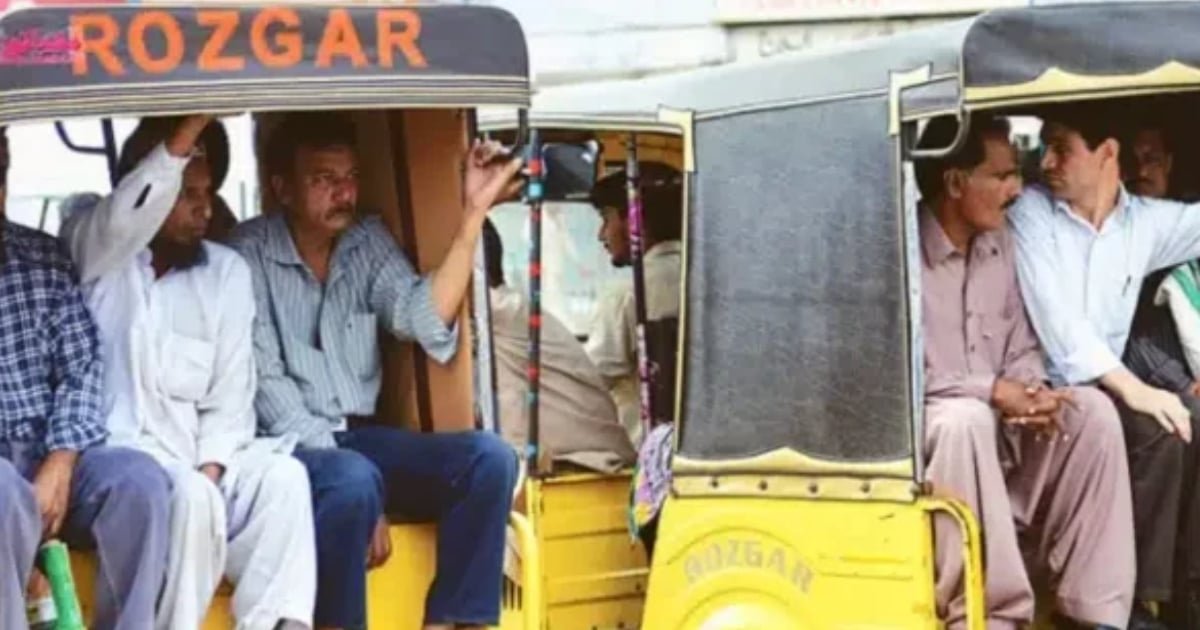


The recent Rs 55 per litre increase in petrol and diesel prices has sent shockwaves through the transport sector, leading to immediate fare adjustments across Pakistan. As the price of petrol hit Rs 321.17, ride-hailing drivers and public transport operators alike have raised their rates to offset the surging cost of doing business.
Ride-Hailing: 10% Increase for Cars and Bikes
Online ride-hailing platforms and self-arranged motorcycle services have adjusted their pricing models. For commuters in major cities like Karachi and Lahore, the cost of a daily trip has risen significantly:
- Short Distances: Fares increased by approx. Rs 50 to Rs 70.
- Medium/Long Distances: Fares surged by Rs 100 to Rs 250.
- Driver Impact: Despite higher fares, drivers report a 10% to 20% drop in passengers, with many earning Rs 300 to Rs 500 less per day due to reduced demand.
Public Transport: Faisalabad and Lahore Routes Hit Hard
For those traveling between cities, the “petrol bomb” has made commuting a luxury. Transporters have unilaterally increased fares, citing the high cost of diesel (now Rs 335.86) and maintenance.
Revised Fares for Key Routes (Approximate):
| Route | Old Fare (Rs) | New Fare (Rs) | Increase (Rs) |
| Lahore ↔ Faisalabad | 1,200 | 1,350 | +150 |
| Islamabad ↔ Faisalabad | 1,750 | 1,950 | +200 |
| Lahore ↔ Islamabad | 2,600 | 3,000 | +400 |
| Lahore ↔ Karachi | 8,000 | 8,600 | +600 |
Public transport fares across Pakistan have increased following the latest petrol & diesel price hike, with transport operators raising fares by up to 25% on several routes. On many intercity routes, ticket prices have increased by Rs300 to Rs600, depending on the distance. pic.twitter.com/nLvDxt4AOq
— News Digest Pakistan (@NewsDigestPak) March 11, 2026
The Commuter’s Dilemma: Switching to Public Transit
The steep hike has forced a visible shift in consumer behavior. Employees who previously spent Rs 600 daily on two-way ride-hailing trips are now finding those costs climbing toward Rs 900, making it unsustainable on fixed salaries.
- Public Buses: Stations are seeing a surge in passengers as people move away from private taxis and bikes.
- School & Office Vans: Monthly pick-and-drop services have demanded a 30% to 40% increase in fees starting this week.
“Previously I spent about Rs600 daily on two-way fares, but now the cost has increased to Rs800 to Rs900… I have started using public transport instead.” — Waqar Abbasi, Private Sector Employee.
Weekly Price Reviews
The government has announced that fuel prices will now be reviewed weekly every Sunday. This means transport fares could fluctuate frequently. If the National Austerity Plan’s 4-day work week and WFH policies are fully implemented, the demand for daily commuting may decrease, potentially forcing transport operators to rethink their pricing to attract more passengers.
This video provides a direct report on the local fare adjustments in Faisalabad and the impact on the commuting public.
You May Like To Read: PPP Slams Government Over ‘Unjust’ Rs 55 Petrol Price Hike
Check out our latest video: