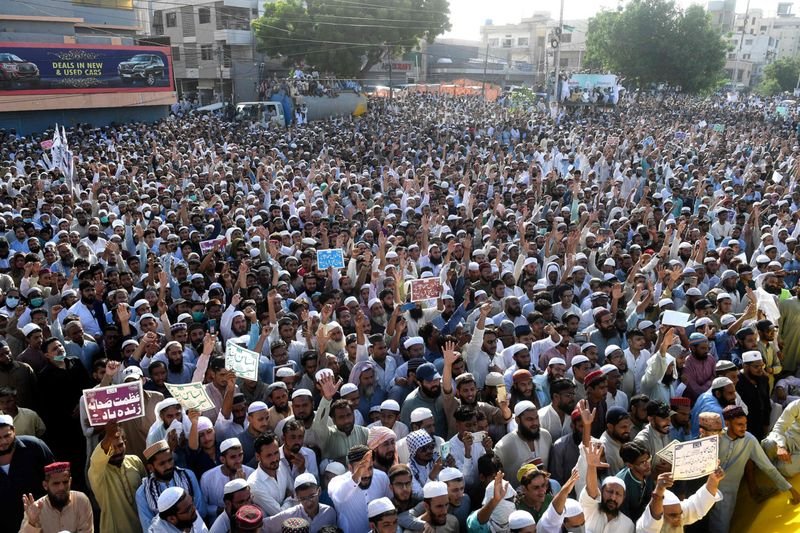
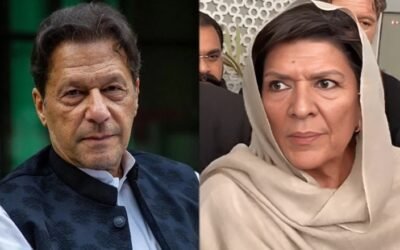



The 1990s were a volatile time for Pakistan, rife with sectarian strife that left a lasting scar and heavily impacted its security. Although sectarian differences have existed in South Asia for centuries, never before had such large-scale violence been seen until the twentieth century. However, the 1990s were marked by unprecedented levels of bloodshed, sectarian killings, bombings of mosques, and escalating divisions within the Muslim community. This article examines what led to this increase in sectarian differences and how the groups that made themselves the face of violence were formed.
Historical Background
Pakistan’s relationship with Islam is unique and not comparable to that of other Muslim countries. It gained its independence based on Islam and could be considered its raison d’être. Muslim leaders before partition argued for a separate homeland where they could practice their religion in peace without any disturbances and opposition from the Hindu majority. Even after partition, Islam continued to be the basis for the “country’s constitutional debates, political disputes and socioeconomic conflicts”. Given these conditions, Islam was inadvertently projected as the state ideology and remained an influential factor in determining Pakistan’s future political developments.
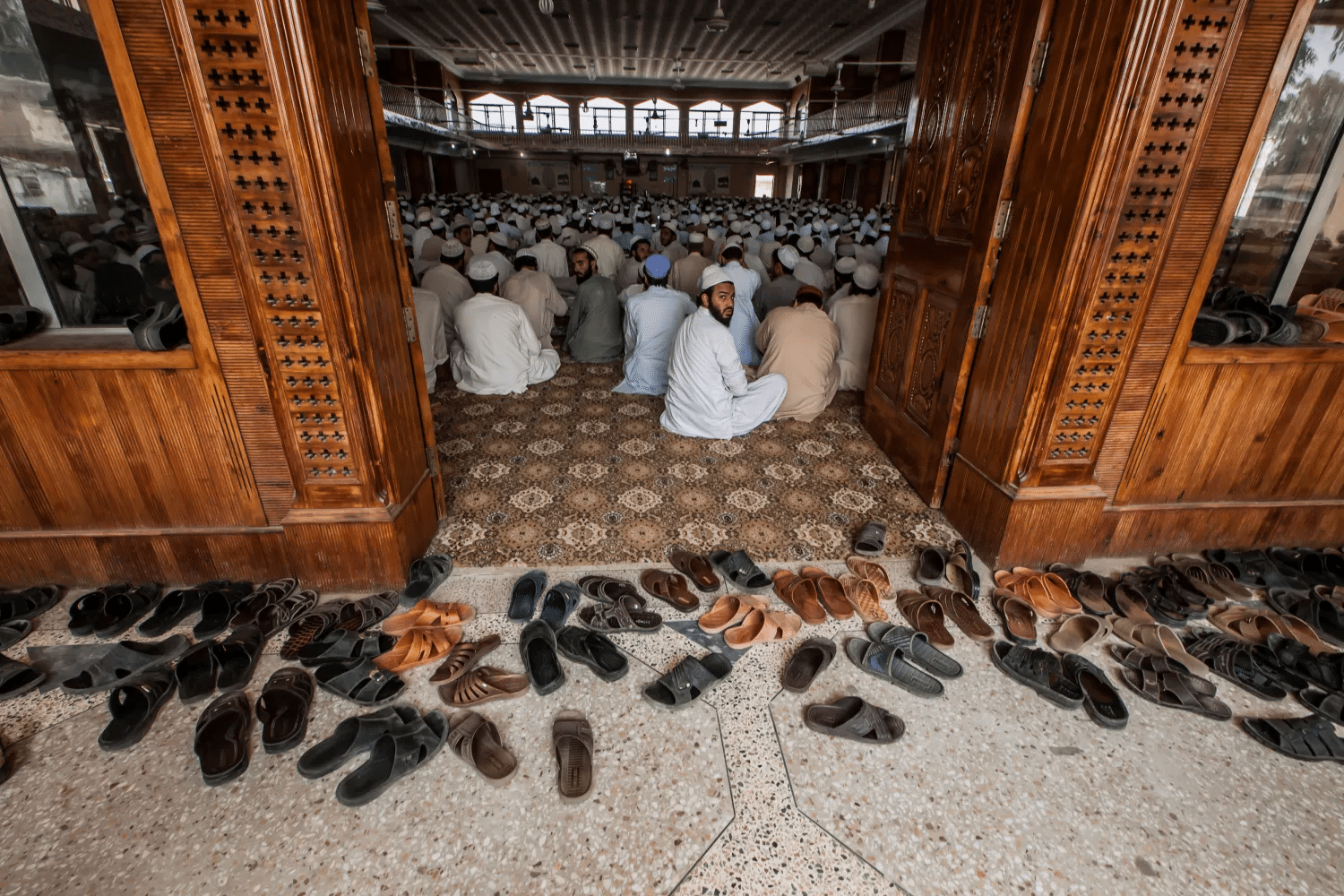
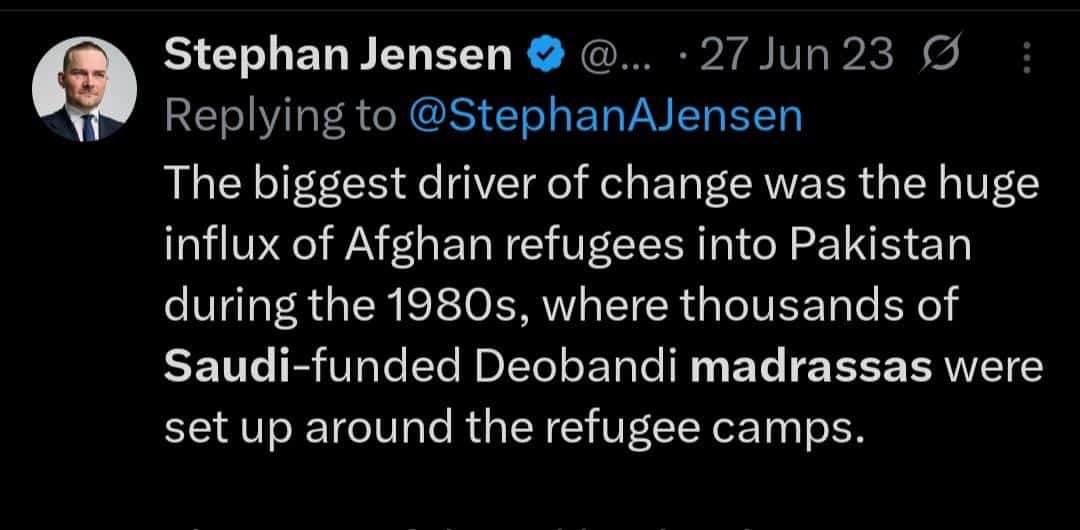
After Partition, Pakistan prided itself on being a safe homeland for all Muslims, regardless of sects, and was the very image of a united brotherhood. For many decades, this harmony was to continue until the 1980s. The situation began to shift with the Soviet invasion of Afghanistan in 1979. Due to its geopolitical location and the threat posed by the Soviet troops stationed close enough to launch a potential attack on Pakistan, warm water ports, the country had to assume a leading position in supporting Afghan forces against the Soviet Union. Pakistan became the center for the training and mobilization of fighters, which was influenced by the Sunni/Deobandi school of thought. Financial support from Saudi Arabia was given to further their own religious and strategic interests, which led to the growth of Madrassas. In contrast, Iran extended its support to Shia groups in Pakistan to protect its own regional interests. These parallel happenings as a result of the involvement of external governments were to be the beginning of sectarian violence in Pakistan.
Reference: Brookings
The Sipah-e-Sahaba
As General Zia-ul-Haq gained popularity after his role in the Afghan War, he sought to establish Sharia Law based on the Hanafi school of thought in Pakistan. Shia, emboldened by the Islamic Revolution in Pakistan, held armed protests against this decision. Nevertheless, General Zia stood firm on his stance of incorporating Islam in Pakistan’s legislation. This, combined with the Arab governments’ funding to curb the growing Shia influence in the region, led to the emergence of anti-Shia groups like the Sipah-e-Sahaba and Lashkar-e-Jhangvi. These groups sought to counter Iran’s influence and were based on extremist and superficial teachings of the Sunni school of thought.
Their aims involved getting Pakistan to be declared a Sunni state and to oppose perceived Shia dominance in the state and society. To put these goals into effect, the Sipah-e-Sahaba took to street activism, political mobilization, and changing the educational curriculum (in Madrassas). The division between Shias and Sunnis became more pronounced. Targeted killings were carried out by Sipah-e-Sahaba operatives. Iran’s cultural attaché in Multan, Mohammad-Ali Rahimi, was assassinated, as were two Iranian engineers gunned down by extremist militants in Karachi. The violent workings of such groups negatively impacted Pakistan’s relationship with Iran. Pakistan eventually outlawed Sipah-e-Sahaba in January of 2002, after which they adopted a new identity and named themselves Millat-e-Islamia Pakistan.
Lashkar-e-Jhangvi
Lashkar-e-Jhangvi (LeJ) was the militant wing of Sipah-e-Sahaba and employed terrorist tactics to achieve its objectives. It came into being in 1996 under the leadership of Riaz Basra, but was eponymous with the name Haq Nawaz Jhangvi. One of the major reasons for LeJ’s expansion was the economic disadvantages faced by a majority of people in Pakistan. In the absence of sufficient job opportunities, especially in South Punjab, LeJ promised people, particularly from Madrassas, jobs if they were willing to undertake militant guidelines.
LeJ’s religious ideology was extremely intolerant of Shia muslims and any other factions that were not Sunni/Deobandi. Compared to Sipah-e-Sahaba, LeJ was more extreme and focused on spreading terror. On 11 January 1998, 27 Shias were massacred in Momenpura, and in January 1999, another 17 were killed in Muzaffargarh. These are just a few regrettable examples of the sectarian violence that overtook Pakistan in the 1990s. Many civil service officers also lost their lives in the fight to contain LeJ. In 2001, Pakistan banned LeJ, and in subsequent years it was labelled a terrorist organization by the United Nations (UN), the US, and the UK.
Sipah e Muhammad
During the 1990s, Pakistan witnessed a surge in sectarian violence, with groups like Sipah-e-Muhammad Pakistan (SMP) emerging as key actors in retaliatory attacks against Sunni targets. Formed in the early 1990s as a Shia militant response to the rise of anti-Shia groups such as Sipah-e-Sahaba Pakistan and its offshoot, Lashkar-e-Jhangvi, SMP aimed to counter Sunni extremist aggression, often through violence. Credible investigations and security assessments, including reports cited by Pakistani intelligence and regional analysts, linked SMP to a series of targeted killings of Sunni clerics and activists across Punjab and Karachi. These acts were widely interpreted as reprisal attacks in an escalating cycle of sectarian conflict, contributing to the broader destabilization of inter-sectarian relations in Pakistan during the decade.
Role of Saudi-Iran Relationship in Rising Sectarianism
In the 1980s and 1990s, regional strife between Saudi Arabia and Iran had a major impact on Pakistan’s sectarian politics. Following the 1979 Iranian Revolution, Iran sought to aid and assist Shia populations throughout the Muslim world, including in Pakistan, through religious mobilization and support for Shia groups like Tehreek-e-Jafaria Pakistan (TJP). In turn, Saudi Arabia, to counter the influence of Iran, started to fund Sunni-Deobandi and Salafi groups in Pakistan, donating to madrassas which favored a heavily Sunni-influenced curriculum. Both nations’ interventions to gain greater regional influence negatively impacted Pakistan by introducing sectarian rivalries in the country, which had not existed since before its creation. Though neither Saudi Arabia nor Iran established militant factions, their ideological and financial aid to rival groups made the latter’s divisions more intense and helped to fuel sectarian violence. Stephan Jensen, writer of the upcoming book, Triumph of Chaos, Afghanistan 1978-2021, says in a tweet shared on X:
For Pakistan, the rising sectarianism and the violence that followed in the 1990s were a great tragedy. Although ideological and theological disagreements had existed between Shias and Sunnis before, it took an organized and militant shift due to the aid of foreign involvement and Islamization in Pakistan. Things took a radical turn, which led to a great loss of life. Even now, over 30 years later, Pakistan has been unable to return to the peaceful community it once was, and sectarian differences continue to divide us. To counter this issue, it is necessary to identify the root causes and address them.
References:
- Ahmad, M. (2013). Islamization and sectarian violence in Pakistan. Intellectual Discourse, 6(1).
- Tehreek‑e‑Jafaria (Pakistan). (2025, July [most recent update]). In Wikipedia. Retrieved July 10, 2025, from
- Kiran, N., & Chawla, M. I. (2020). Countering sectarian extremism in Pakistan: A study of Lashkar‑e‑Jhangvi. FWU Journal of Social Sciences, 14(2).
- Saudi Arabias hold on Pakistan