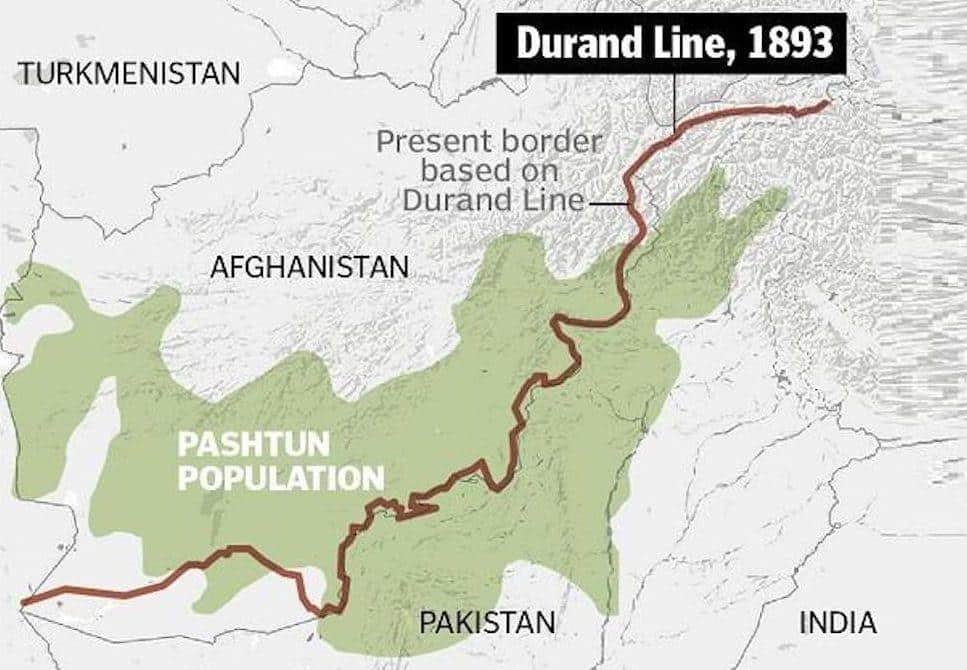



The Durand Line, a 2640 km boundary line between Afghanistan and Pakistan, which was drawn in 1893, is a porous border and source of dispute. Afghanistan continues to reject the Durand Line, terming it an artificial colonial boundary, whereas Pakistan maintains it is inviolable. In practice, the border is frequently undefined, particularly in the tribal belt. Travelers can be freely seen going through the gates at larger crossings, such as Torkham, without legal documents and visas. Although Islamabad has repeatedly built fences and established new border posts, cross-border travel has always been informally regulated by the communities themselves living on both sides, instead of being subject to state control.
On both sides of the border, communities rely strongly on this informal trade. According to a survey of the “Local Research Network”, 71 percent of inhabitants agreed that business activities within the community depend on cross-border trade.

Source: Local Research Network
Practically, this consists of legal trade (including the Afghan Transit Trade Agreement, ATT) and an enormous unofficial market of smuggled products. In the Khyber region of Pakistan, markets such as Bara and Karkhano depend on Afghanistan-smuggled goods (electronics, clothing, fuel, and consumer products). Smuggling, as one Afridi tribal chief explained, is justified by the fact that this is perceived as their right, since, as he added, the government is not providing them with anything.
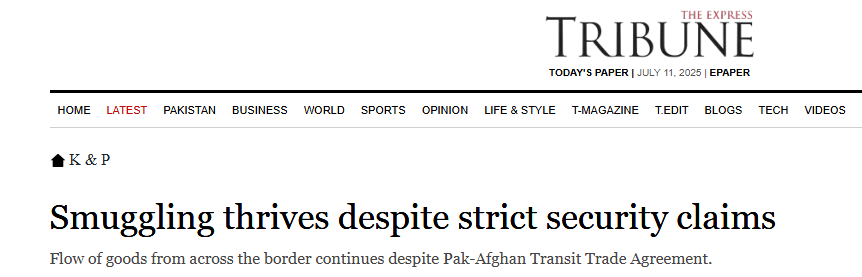
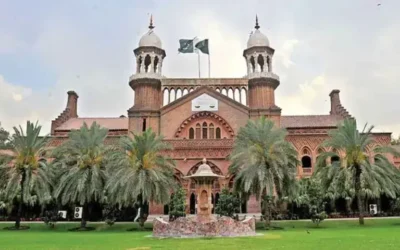
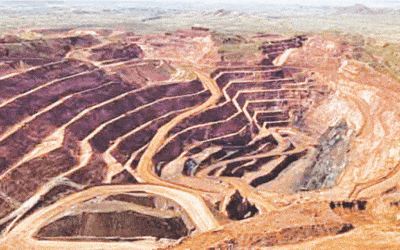
Source: The Express Tribune
Political parties in Pakistan have had little interest in combating established smuggling networks, possibly due to the patronage of the tribal vote or vote seeking within frontier electorates. Even local religious and nationalist parties (e.g., JUI-F, ANP) had little effect in reducing traffic on the border. In the meantime, Afghan officials in successive regimes have opposed Pakistan’s fencing and raiding, yet opted to do nothing much to tear down smuggling pathways. Kabul has occasionally blamed Pakistan for interfering with cross-border family relations, and the Taliban government has been engaged in skirmishes with Pakistani troops over the fence.
Meanwhile, enforcement has never been strong due to corruption amongst Pakistani officials. Bribes are routinely paid at most crossings to customs and police, as per the reports by the Pakistan agencies. According to one of the studies, despite years of the so-called increased powers of law enforcement, the level of smuggling remains unprecedented, as the involvement of officials remains extremely high. In October 2023, Pakistan’s caretaker Interior Minister Sarfaraz Bugti acknowledged that security and customs officials are actively engaged in massive smuggling of oil, currency, and other goods through the Afghan border. Another related scandal in 2016 led to the purging of senior generals by ex-army chief General Raheel Sharif on accusations of smuggling connections.
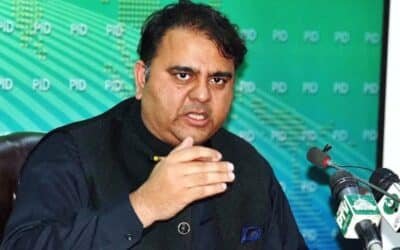
Still, many millions of dollars of cars, narcotics, currency, and weapons are flowing undetected. Muhammad Zafar Paracha stated that about $5 million illegally crosses the border every day. Islamabad has frequently accused Afghanistan of taking no action, but analysts say the elites on both sides either benefit from or tolerate the contraband trade.
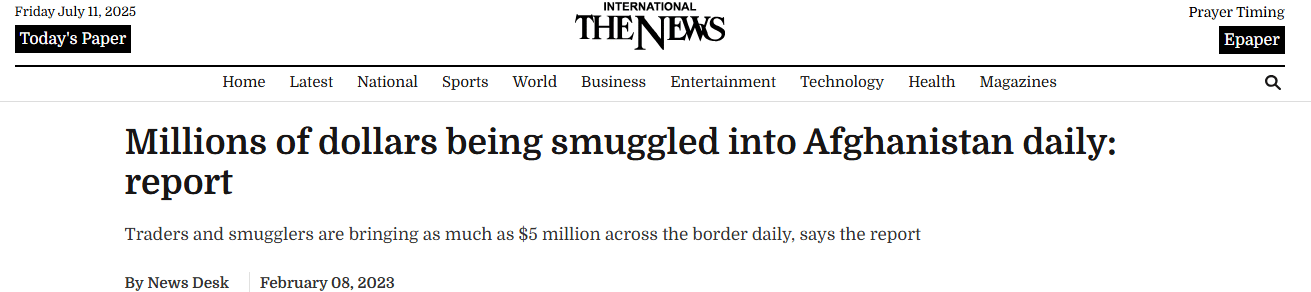
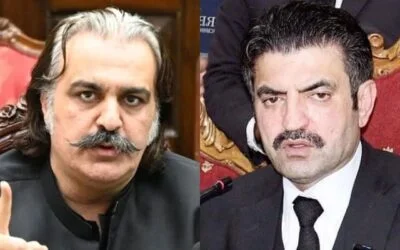
Source: The News
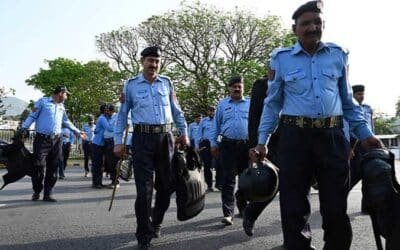
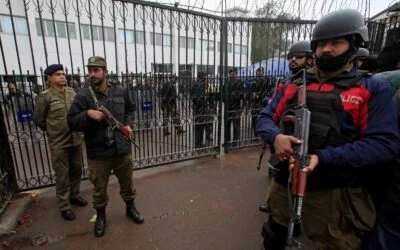
However, in recent years, a more active enforcement role has been adopted by the military in Pakistan. Particularly, the army has been charged with the responsibility of ensuring the security of the Durand line. In 2017, Pakistan started fencing major sections of the border and invested half a million dollars in fencing, gateposts, and monitoring systems. In December 2024, the ISPR declared that the military was carrying out a countrywide crackdown on smuggling, drugs, and hoarders with government instructions along the western border.
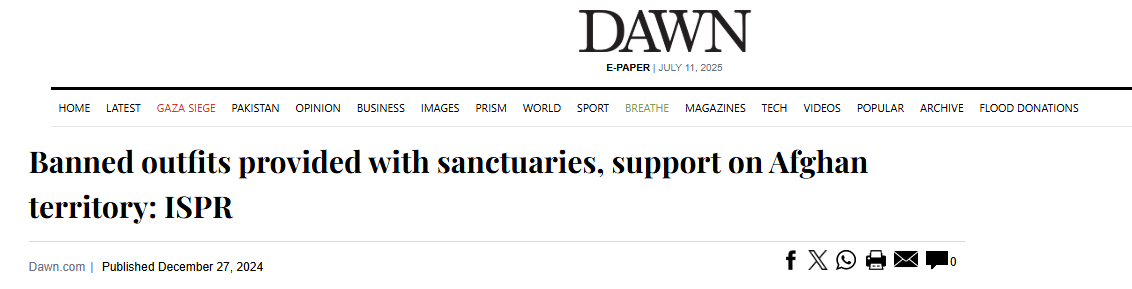

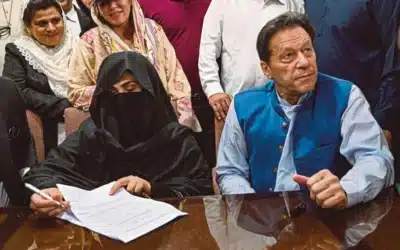
Sources: DAWN
Army commanders confirm that crossings by illegal immigrants are now “drastically down” by operations under a “One Document Regime” (strict passport enforcement), and smuggling is also decreased. Federal agencies (FIA, Customs) have conducted raids: an FIA effort in September 2023 seized over 679 million PKR in trafficked currency, and Khyber-Pakhtunkhwa officials claimed that they conducted thousands of raids and seized billions more. Nevertheless, most of these activities target the commodities that are high profile (fuel, sugar, and currency) or that use legal-form border crossings. Smaller money launderers and international militia groups are more difficult to close down.
The Pashtun borderlands have become economically dependent on smuggling due to long-standing poverty and state neglect, with tribal leaders defending it as a legitimate livelihood. Political elites in both Afghanistan and Pakistan have largely tolerated the situation, avoiding confrontation with entrenched smuggling networks. In contrast, the Pakistani military has taken a more active role through fencing, checkpoints, and anti-smuggling operations since 2023. However, experts warn that without broader reforms and alternative livelihoods, increased militarization may push the trade further underground. Sustainable control will require not just enforcement, but also economic cooperation and political will on both sides.