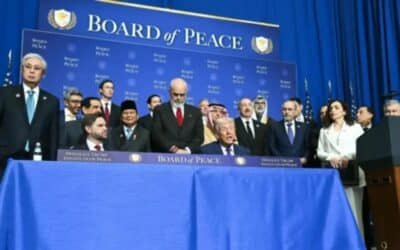




WASHINGTON: Questions over legitimacy and mandate are complicating international efforts to establish a proposed International Stabilisation Force (ISF) for Gaza, as diplomatic negotiations continue alongside US-led attempts to mobilise troop contributions for postwar security arrangements.
Pakistan and several other Muslim-majority countries have sought greater clarity on the scope and authority of the proposed force, stressing that any deployment must align with United Nations Security Council resolutions and international law. Speaking at a Security Council briefing under Resolution 2334 on Tuesday, Pakistan’s Permanent Representative to the UN, Ambassador Asim Iftikhar Ahmad, warned that continued Israeli settlement expansion and military actions were undermining the prospects of a two-state solution.
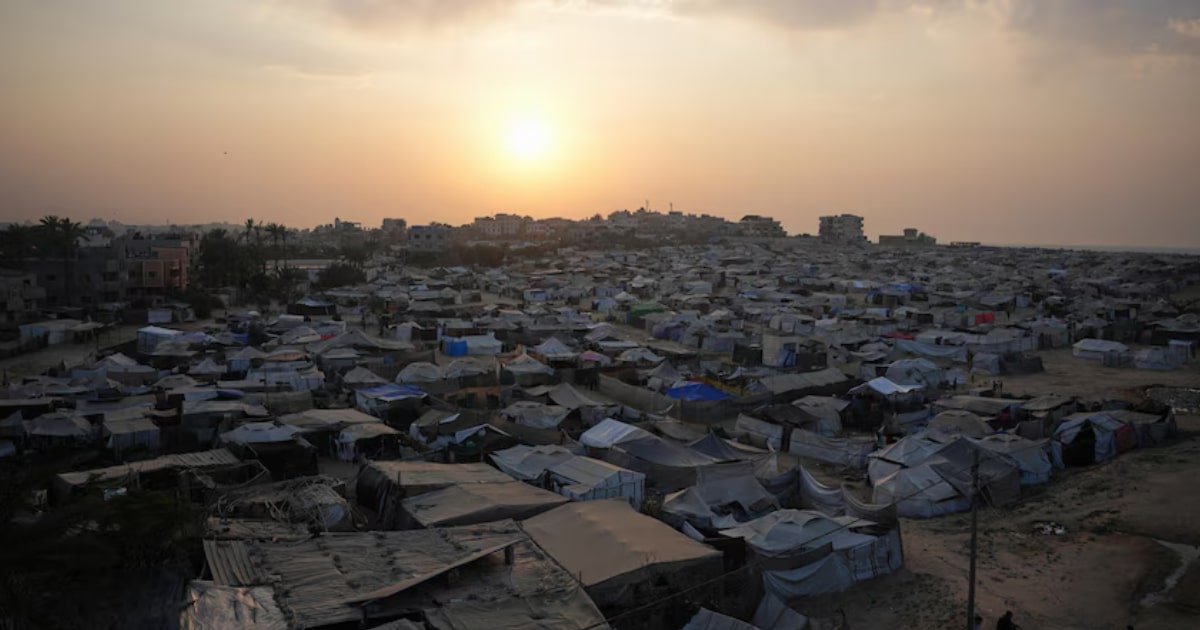
He said the Palestinian people had suffered “decades of illegal occupation” and that conditions in Gaza had deteriorated to an “unprecedented scale” over the past two years. His remarks came amid reports that Israel had issued fresh demolition orders for the Nur Shams refugee camp in the northern occupied West Bank, a move the UN Relief and Works Agency (UNRWA) described as deeply alarming.
Parallel discussions are underway outside the UN framework. US Central Command on Tuesday hosted a conference in Qatar with dozens of partner nations to discuss possible contributions to the ISF. According to US media reports, Washington is exploring the formation of a multinational force of around 10,000 troops, potentially under US command, though no country has formally committed forces so far.
Diplomats cited concerns over legitimacy as a major hurdle. Several governments are wary of deploying troops without a clear UN mandate, fearing their forces could be perceived as enforcing an imposed security arrangement rather than supporting a political peace process. Analysts say this reluctance has slowed progress despite US pressure to move quickly.
A report released Tuesday by the Washington-based Stimson Center echoed these concerns, noting that many countries remain hesitant to participate unless the force is anchored in a UN-authorised framework. Pakistan and a number of Arab and Muslim states have previously argued that UN oversight would provide both legal grounding and political cover for troop-contributing countries.
You May Also Like: Peshawar High Court Grants Interim Relief to Afghan Student in Medical College Admission Case
Beyond legitimacy, negotiators are also grappling with operational challenges. These include the force’s rules of engagement, authority to use force, command structure and mechanisms for intelligence-sharing. Gaza’s dense urban environment and the presence of armed groups raise serious security risks for any international deployment.
The diplomatic push coincided with parallel discussions outside the UN.https://t.co/ErogWimYvt
— Dawn.com (@dawn_com) December 17, 2025
Humanitarian access is expected to be a central element of the ISF’s mandate. Aid agencies have repeatedly warned that insecurity has severely restricted relief efforts. Diplomats say a stabilisation force, if properly authorised and resourced, could help facilitate humanitarian deliveries and support early reconstruction.
However, officials caution that without sustained political and financial backing from major powers, any stabilisation mission risks becoming ineffective. Negotiations on the ISF’s mandate and structure are continuing, with no final agreement yet in sight.