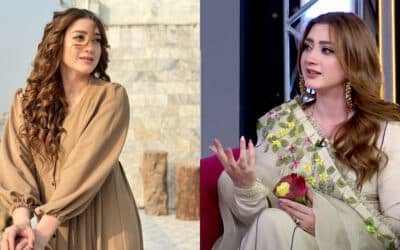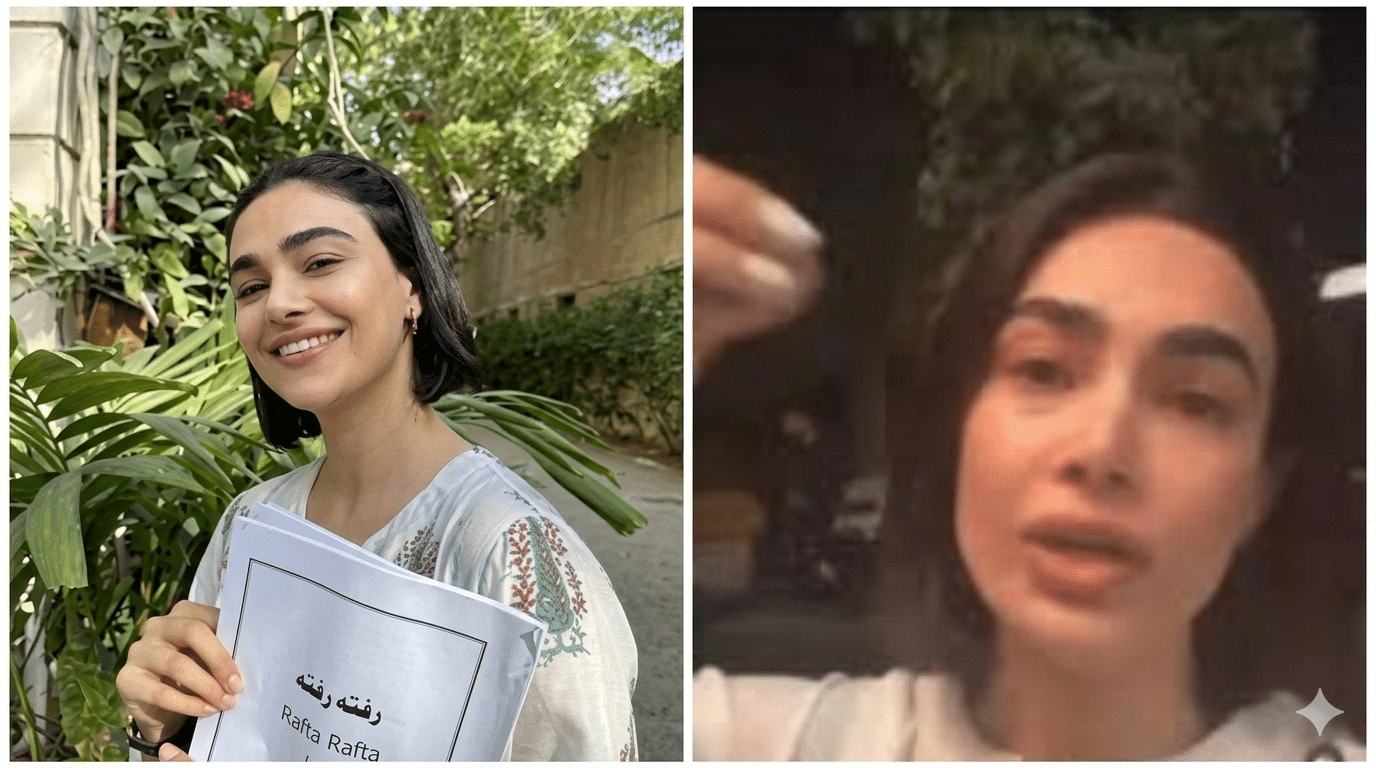





While the world of art and fashion usually celebrates diversity, the Pakistani digital space is currently reeling from a deeply divisive controversy involving model-turned-actress Saheefa Jabbar Khattak. In early March 2026, Saheefa took to her social media to promote her latest venture, a café, but the promotional video quickly morphed into a heated debate on ethnic stereotyping and “internalized racism.”
that girl’s name is Saheefa Jabbar Khattak and she has spent her entire life in Lahore. However her heart is filled with extreme racism against Panjabis like a typical Pashtun. Pashtuns are taught hatred against Panjabis from a very young age. pic.twitter.com/tz8glDF8NW
— maddy (@panjabijatt56) March 5, 2026
The “Pashtun-Only” Policy
The backlash began when Saheefa posted a video discussing the difficulties of finding reliable staff for her new business. In a statement that stunned many followers, she explicitly announced that she was exclusively seeking Pashtun (Pathan) men for her kitchen and front-of-house team. Her justification, however, is what truly set the internet ablaze: she claimed she was looking for honesty and went on to state that she does not trust Punjabi and Urdu-speaking people in a professional capacity.
The actress urged potential applicants to be serious and decent. While she framed this as a business decision based on her own negative experiences, the public was quick to label the move as blatant ethnic discrimination.
These two restaurants belong to this racist Pashtun woman Saheefa Jabbar Khattak, Therefore i request Panjabis, Urdu Speaking to completely boycott both restaurants FGS and go to Google to give them a 1 Star rating in the reviews https://t.co/KFKHb5CWmu pic.twitter.com/khz6s0bCJz
— maddy (@panjabijatt56) March 6, 2026
Public Backlash and Calls for a Boycott
The response across X (Twitter) and Instagram was immediate and overwhelmingly critical. Many pointed out the irony of her stance, noting that as a celebrity who has flourished in the Punjabi and Urdu-speaking entertainment hubs of Lahore and Karachi, such remarks felt both ungrateful and socially dangerous.
Critics argued that painting entire linguistic groups with a single brush, labeling one as inherently honest and others as untrustworthy, is a textbook example of prejudice.
By March 5, 2026, negative reviews began appearing for her business ventures. Many Punjabi and Urdu-speaking patrons took her comments as a personal slight, leading to widespread calls to boycott her establishments.
Netizens began resharing older, controversial clips of the actress, including a past incident where she appeared to mock a service worker, suggesting that this latest outburst is part of a broader pattern of classist behavior that ignores the dignity of the working class.
The Defense and the Aftermath
A small circle of supporters and fellow industry figures have attempted to defend her, suggesting that as a private business owner, she has the right to hire based on her personal comfort and past workplace traumas. They argue that her comments were simply a blunt expression of her personal hiring preferences.
Saheefa Jabbar Khattak is extremely smart. Three seconds of remarks about Punjabis and Urdu-speaking workers and boom, everyone is now posting about her business.
Free advertisement. Brilliant marketing. https://t.co/cpoQDz5GB4
— Asjad Khan (@DaaStargoTora) March 6, 2026
However, in the highly sensitive social climate of 2026, the general consensus remains that personal preference cannot be used as a shield for ethnic targeting. As the controversy continues to trend, Saheefa Jabbar Khattak faces a significant PR crisis that may require a formal apology to mend her relationship with a large segment of her audience.
You May Like To Read: