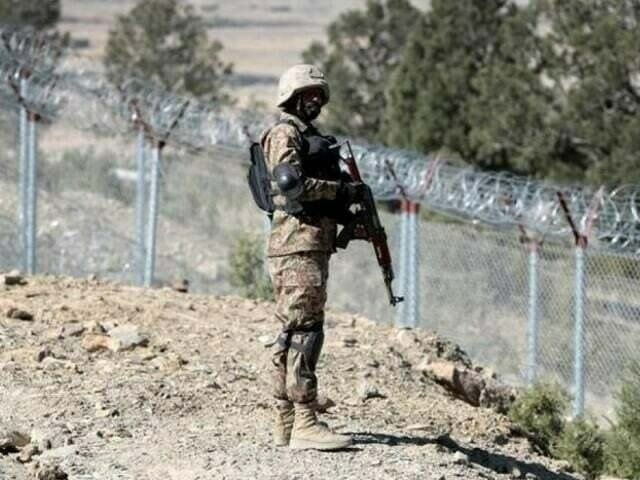





Pakistan, a country with extensive borders and a large population, has long faced the complex issue of illegal immigration. This includes people attempting to leave the country illegally to seek better opportunities abroad, as well as those trying to enter without proper documentation. Such movements pose threats to national security, strain resources, and put vulnerable individuals at risk of dangers like human trafficking. However, in recent years, Pakistan has greatly strengthened its border defenses, resulting in a noticeable decrease in illegal immigration. This change is not accidental; it is the result of behind-the-scenes efforts to secure the country’s borders.
The Challenge of Illegal Immigration
Illegal immigration presents a complex challenge for Pakistan. Thousands of Pakistanis attempt to migrate to Europe or the Gulf states without proper documentation, often risking their lives on dangerous journeys. The tragic sinking of a fishing trawler off the coast of Greece in June 2023, which claimed over 350 Pakistani lives, starkly reminded the world of these dangers. Economic hardship, political instability, and the appeal of better opportunities abroad are main reasons people leave Pakistan.
On the other hand, Pakistan also faces illegal crossings, especially along its extensive, porous borders with Afghanistan and Iran. This can lead to security issues, such as cross-border militant activities and smuggling operations. For years, the informal nature of these borders has made control challenging.
Pakistan’s Tightened Frontier Defenses
Recognizing the urgent need for improved border management, Pakistan has invested significantly in enhancing its frontier defenses. These efforts aim to reduce illegal crossings, prevent smuggling, and more effectively counter terrorism.
- Border Fencing: A major initiative has been the fencing of the 2,670 km Pak-Afghan border, known as the Durand Line. This multi-layered barrier, which features dual fences, surveillance systems, and nearly 1,000 fortified outposts, is nearing completion. Although it faces challenges and some criticism, it aims to prevent illegal activities, including human trafficking and terrorism. Similar efforts have been been underway along the Iran border.
- Enhanced Surveillance: Pakistan has deployed advanced technologies to monitor its borders. This includes:
- Camera Systems: Growing use of electro-optical (EO) and infrared (IR) cameras, sometimes with AI, for comprehensive surveillance day and night.
- Perimeter Intrusion Detection Systems: Systems that create virtual borders or protect physical barriers, alerting border agents to activity.
- Radar Systems: Ground-based and coastal radar systems to scan for vehicles and individuals attempting to bypass security. These are often combined with advanced camera systems on surveillance towers.
- Biometrics: Implementation of biometric systems for identification at land borders.
- Increased Patrolling and Mobility: Border patrols are being equipped with modern all-terrain vehicles and aerial assets, such as helicopters, for improved mobility, especially in remote areas. Joint patrols are also being deployed with upgraded equipment.
- Integrated Border Management Systems: Pakistan Customs has implemented specialized risk management systems, such as the “Global Travelers Assessment System” (GTAS), at major international airports. This system uses Advanced Passenger Information (API) and Passenger Name Record (PNR) data to profile travelers and identify individuals suspected of smuggling drugs, money laundering, or attempting to enter or exit the country illegally. The Federal Investigation Agency (FIA) has also established “second line” border control offices at airports with EU support, enhancing the ability to detect forged documents and combat migrant smuggling.
Strategies Behind the Success
The success in reducing illegal immigration is not just about fences and cameras; it’s about a combination of strategies:
- Intelligence-Driven Operations: Border management has become more intelligence-driven, emphasizing knowledge sharing and proactive decision-making. This approach helps intercept threats before they reach the border.
- Inter-agency Coordination: Improved coordination among law enforcement agencies, customs, and intelligence bodies is essential for developing a unified strategy against cross-border crimes. The FIA has also established a national trafficking unit to enhance coordination.
- Legislative and Administrative Mechanisms: In 2018, Pakistan enacted new laws to combat human trafficking and migrant smuggling, giving the FIA strong enforcement powers. These laws protect victims and enable the prosecution of organized criminal groups.
- Targeted Awareness Campaigns: Efforts are underway to raise awareness in smuggling-prone areas, especially among tech-savvy youth, about the risks of irregular migration.
Impact on Illegal Immigration Rates
These tightened frontier defenses and strategic efforts have led to a noticeable decline in illegal immigration.
- Reduced Outflows (Global): Although numbers fluctuate, there is evidence that efforts to curb irregular migration from Pakistan have achieved “impressive improvements.” In the first half of 2023, approximately 13,000 people left Pakistan for Libya or Egypt, doubling the number from the previous year. However, Europe’s overall statistics indicate a decrease in third-country nationals found to be illegally present in the EU, with a 27.4% decrease in 2024 compared to 2023. Crossings from Turkey into Europe have also dropped sharply as Greece has increased its sea patrols and built border fences.
- Reduced Crossings (Specific Borders): While obtaining precise real-time figures for all illegal crossings publicly is challenging, the Pak-Afghan border fencing has resulted in a “notable reduction” in illegal crossings and human trafficking. Studies generally confirm the effectiveness of border fences in preventing unwanted migrants.
- Deterrence of Smugglers: Enhanced surveillance and investigation units make it harder for human traffickers and smugglers to operate effectively.
In 2024, the FIA prevented 27,432 Pakistanis from departing on suspicion of irregular migration — a 16 % increase from 2023.
Beyond the Numbers: Broader Benefits
The success of border patrols goes beyond just numbers. It brings significant benefits:
- Enhanced National Security: Stronger borders prevent the infiltration of militants, weapons, and illegal drugs, directly supporting national security and internal peace.
- Combating Human Trafficking: By disrupting smuggling networks, these measures protect vulnerable individuals from exploitation and potentially deadly journeys. The tragic loss of life, like the 350 Pakistanis in the Greek trawler incident, highlights the importance of stopping such dangerous routes.
- Improved Governance: Effective border management improves the overall performance of government agencies and increases public trust in the state’s capacity to safeguard its citizens and borders.
- Economic Stability: Reducing illegal trade and smuggling helps local industries and increases tax revenue for the government, as trade shifts to official channels.
Challenges and What’s Needed
Despite progress, challenges still exist. The size and rugged terrain of Pakistan’s borders, especially with Afghanistan, make it hard to entirely seal them off. Political complexities in neighboring regions also impact border dynamics. Human trafficking networks are flexible, constantly discovering new routes.
For continued success, Pakistan must:
- Sustain Investment: Continuously invest in advanced technology, equipment, and training for border forces.
- Strengthen Inter-agency Cooperation: Improve data sharing and coordination among all agencies involved in border management.
- International Collaboration: Enhance cooperation with neighboring countries and international partners to combat transnational smuggling and trafficking effectively.
- Address Root Causes: Continue efforts to improve economic conditions, create jobs, and enhance education to reduce the desperation that drives irregular migration.
Conclusion
The decline in illegal immigration rates shows Pakistan’s strong efforts to secure its borders. Behind the headlines are advanced border management systems, dedicated patrols, and strategic investments in technology and laws. This success is not just a coincidence; it reflects a deliberate and effective strategy. By reducing illegal crossings, Pakistan is strengthening its national security, fighting human trafficking, and confirming its commitment to orderly migration and the well-being of its people. The tighter border defenses are reshaping Pakistan’s geopolitical landscape and creating a safer future.
References:
- GIDS. (2022, December). Pakistan Migration Report 2022.
- Juniper Research. (n.d.). Which Technologies Are Driving Modern Border Security?
- Remittances Review. (2024, August 28). Pak-Afghan Border Fencing: Strategic Imperatives and Regional Implications.
- State Department. (2023). 2023 Trafficking in Persons Report: Pakistan
- European Commission. (2025, May 5). Enforcement of immigration legislation statistics – Statistics Explained – Eurostat
- Mixed Migration Centre. (2023, July 31). Pakistani Nationals on the Move to Europe: New Pressures, Risks, Opportunities | Mixed Migration Centre