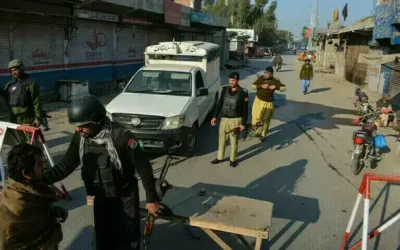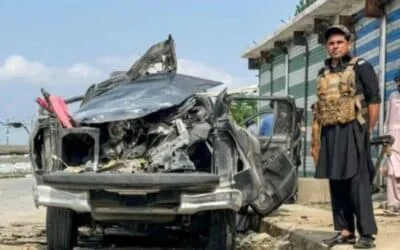





ISLAMABAD — The devastating suicide bombing at the Tarlai Imambargah on Friday, February 6, 2026, has cast a grim shadow over the federal capital’s security apparatus. Marking the second major terrorist incident in less than three months, the attack—which killed 31 people and injured 169 others—has raised serious questions about the efficacy of the city’s high-tech surveillance and “Safe City” initiatives.
A Pattern of Resilience and Vulnerability
Just 87 days prior, on November 11, 2025, a suicide bomber targeted the District Judicial Complex in G-11, killing 12 people. Following that incident, the capital administration launched an aggressive security overhaul, including the controversial e-tag registration system. As of February 5, 2026, over 203,000 vehicles have been tagged, yet the Tarlai blast highlights a critical blind spot: the rural-urban divide.
The Urban vs. Rural Security Gap
While urban sectors and government installations are heavily monitored via Safe City cameras and narrowed road pickets, the outskirts remain vulnerable. A senior police official noted that the Tarlai attack took place in a rural area where “human intelligence” is the only viable defense, as these regions often serve as “safe havens” for militants to bypass urban checkpoints.
Foreheads on the prayer mat, hearts with God. They were murdered in their most vulnerable state of submission and peace. Attacking a mosque during Namaz is a cowardice that stains the soul of humanity 😭 #Islamabad#islamabadAttack #اسلام_آباد_دھماکہ pic.twitter.com/kQT4ChEi3y
— Amir Hussain 🍁 (@its_amir__) February 6, 2026
Frustration Among Citizens
At the Pakistan Institute of Medical Sciences (PIMS), grief quickly turned to anger. Worshippers and relatives of the missing questioned how a bomber could infiltrate the capital despite the widespread placement of barricades and e-tag readers that have complicated daily commutes for residents.
The Technological Shield
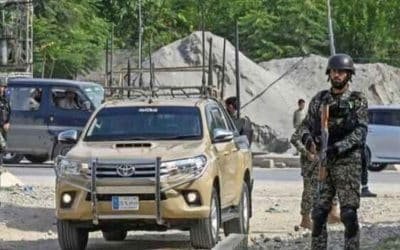
Interior Minister Mohsin Naqvi and Minister of State Talal Chaudhry had previously promised a “leak-proof” capital by making e-tags mandatory for all vehicles entering the city. While authorities have established 19 operational points for tag installation, the Tarlai tragedy suggests that technological barriers alone may not be enough to stop determined attackers who leverage the city’s less-monitored periphery.
As the death toll rises and funerals commence, the federal capital remains on a knife-edge, caught between the promise of modern “Smart Policing” and the evolving tactics of extremist groups.
You May Also Like: At Least 31 Killed, 169 Injured in Suicide Blast at Islamabad Imambargah
Check out our latest video: