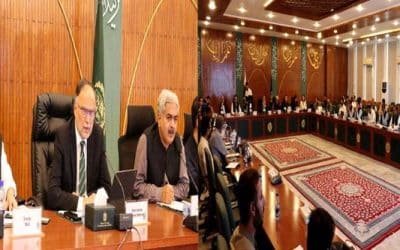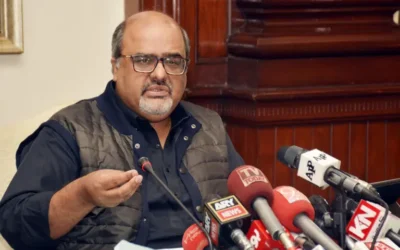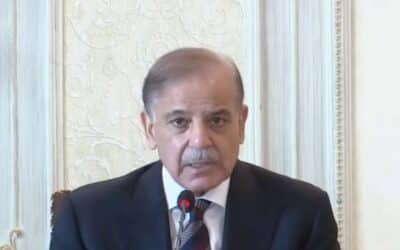



Negotiations for the third economic review under the Extended Fund Facility (EFF) and the second review of the Resilience and Sustainability Facility (RSF) were completed on March 26, 2026. A staff-level agreement (SLA) is expected to be announced in the coming days, unlocking a disbursement of $1.2 billion.
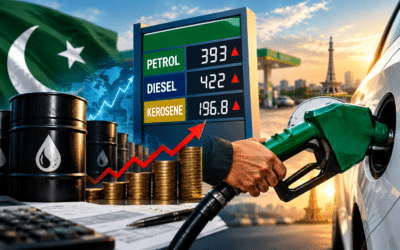
To secure the deal, the government has agreed to a Rs 100 billion cut in the federal development budget (PSDP) and proposed an additional Rs 5 per litre levy on petrol and diesel. The IMF is factoring in the impact of the Middle East conflict on Pakistan’s economy, specifically the surge in global oil and fertilizer prices.
The successful conclusion of these talks marks a critical step for Pakistan’s fiscal stability as it navigates the global energy crisis triggered by the regional war. While the loan provides much-needed foreign exchange, it comes with stringent conditions that will further tighten the domestic belt.
Pakistan makes progress in $1.2B IMF tranche negotiations https://t.co/bEEVzu1MIs
— RV Global Reset (@Ldyheart) March 26, 2026
Key Policy Actions & Agreements
The draft Memorandum of Economic and Financial Policies (MEFP) shared by the IMF includes several “Prior Actions”:
- Revenue Targets: The government must increase tax and non-tax revenues. This includes the proposed Rs 5 levy on standard fuel, following the record-breaking Rs 200 hike on high-octane fuel for luxury vehicles implemented earlier this week.
- Development Cut: A massive Rs 100 billion has been shaved off the development budget to meet primary surplus targets, a move aimed at compensating for revenue shortfalls.
- Institutional Independence: The IMF has reportedly objected to the government appointing heads of state institutions, insisting that independent boards should retain the authority to appoint CEOs to ensure transparency.
Relief for Real Estate?
One of the most debated points in the current talks is the proposal to provide relief to the property sector:
- Tax Reduction: The government has proposed reducing taxes on the purchase and sale of property to stimulate investment.
- Overseas Incentives: Specific incentives are being drafted to attract investment from Overseas Pakistanis, including a concessional scheme for affordable housing.
- The Caveat: These measures are strictly subject to final IMF approval. In previous reviews (March 2025), the IMF rejected similar requests, so the real estate industry remains in a “wait-and-see” mode.
The “War” Factor
The IMF mission spent significant time assessing how the Israel-Iran conflict is reshaping Pakistan’s financial outlook:
- Circular Debt: A new plan to control the soaring circular debt in the gas and electricity sectors—aggravated by high import costs—was shared with the mission.
- Supply Chain Disruptions: The Fund acknowledged the difficulty of meeting fiscal targets while oil prices hover near $115/barrel and maritime traffic in the Strait of Hormuz remains largely paralyzed.
Next Steps in the Loan Process
- Signing the MEFP: Once the draft is finalized, the Federal Finance Minister and the Governor of the State Bank will sign the document.
- Executive Board Meeting: The IMF will then release a schedule for its Board meeting, which is expected to grant formal approval for the disbursement by mid-April 2026.
- Tranche Release: Upon Board approval, the $1 billion (EFF) and $200 million (RSF) will be transferred to Pakistan’s central bank.
You May Also Like: $1bn Tranche at Risk Over Budget Shortfalls and Reform Gaps, IMF Talks Stall
Check out our latest video: