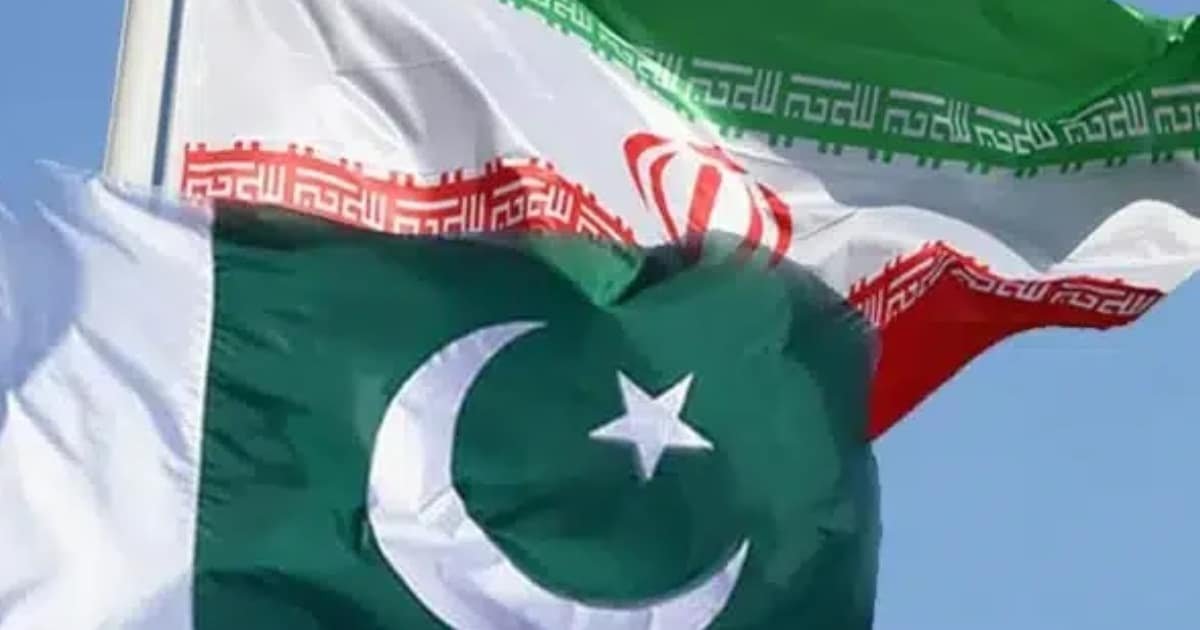
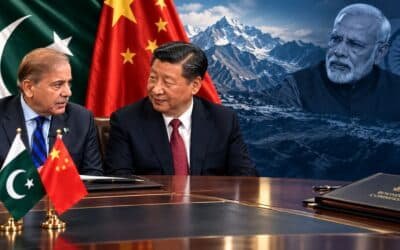


- The Recognition: On Friday, March 27, 2026, U.S. Special Representative for the Middle East Steve Witkoff officially acknowledged Pakistan’s critical role as a mediator between the U.S. and Iran during a cabinet briefing.
- The 15-Point Plan: A structured 15-point action list for a regional peace framework has been formally conveyed to Tehran through Pakistani diplomatic and military channels.
- Global Impact: International analysts credit Pakistan’s “wise policies” with preventing a full-scale global war that could have devastated the energy markets.
- The Strategy: This breakthrough highlights Pakistan’s successful “balanced diplomacy,” maintaining strong ties with the U.S. while acting as a trusted interlocutor for Iran.
As of Friday morning, this development is being hailed as a major victory for Pakistan’s foreign policy. Coming just a day after the IMF staff-level agreement was finalized, this diplomatic success further stabilizes Pakistan’s standing on the global stage.
US Special Envoy Steve Witkoff (in Briefing today): “We have presented a 15-point action list through the Pakistan Government, which is acting as the mediator. This has resulted in strong and positive messages.” pic.twitter.com/lgF1bfdwZt
— Pakistan Defence🇵🇰 (@PakDefence_) March 26, 2026
The “15-Point” Peace Framework
While the full details of the 15-point list remain classified, sources suggest the framework focuses on three immediate priorities:
- Maritime Security: Reopening the Strait of Hormuz for commercial traffic under a monitored “neutral corridor” system.
- Energy De-escalation: A mutual agreement to halt strikes on energy infrastructure (like the South Pars and Saudi refineries) in exchange for a phased easing of specific sanctions.
- Nuclear Transparency: Re-establishing communication lines regarding Iran’s nuclear enrichment levels to prevent further U.S.-Israeli kinetic action.
Why Pakistan?
U.S. Special Representative Steve Witkoff noted that “strong and positive messages” have emerged through Pakistan because of its unique position:
- Direct Access: Unlike many Western nations, Pakistan maintains a direct, high-level dialogue with both the Iranian leadership and the U.S. State Department.
- Military Diplomacy: The role of the Pakistani Military has been cited as crucial in providing “security guarantees” that civilian diplomats alone could not facilitate.
- Neutrality: Despite the regional chaos, Pakistan has avoided joining any specific military bloc, allowing it to act as a “fair broker” in a highly polarized environment.
Expert Verdict: “Stopping a World War”
International geopolitical experts believe Pakistan’s intervention came at a “make-or-break” moment:
- Preventing Spillovers: By mediating, Pakistan is protecting its own borders from the fallout of a larger Middle Eastern conflict.
- Economic Stability: A successful peace agreement would likely bring oil prices down from the current $115/barrel peak, providing much-needed relief to the Pakistani Rupee (PKR) and the domestic inflation rate.
- Global Reputation: This “Cabinet-level” acknowledgement from the U.S. signals a significant warming of relations between the Trump Administration and Islamabad.
Amidst reports of Pakistan emerging as mediator between US and Iran,
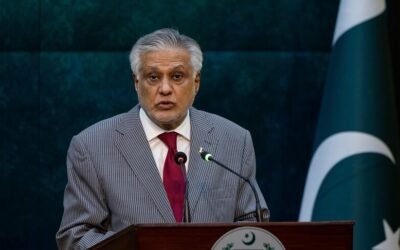
Pakistan’s FM Ishaq Dar spoke with Iranian FM Araghchi today.Pak FM emphasized the importance of dialogue & diplomacy to promote peace, security, and stability in the region and beyond. pic.twitter.com/sgFOwSxjPS
— Abhishek Jha (@abhishekjha157) March 23, 2026
Diplomatic Timeline
| Date | Event | Outcome |
| Mar 18 | Israeli strike on South Pars | Oil spikes to $113; War intensifies. |
| Mar 19 | Saudi Ultimatum to Iran | Regional high alert; Gulf shipping halts. |
| Mar 26 | Torkham Border Reopened | Phased refugee return begins. |
| Mar 26 | IMF SLA Reached | $1.2 Billion unlocked for Pakistan. |
| Mar 27 | U.S. Cabinet Praise | Pakistan confirmed as lead peace mediator. |
You May Like To Read: Malaysia Welcomes Pakistan’s Offer to Host US-Iran Talks for De-Escalation
Check out our latest video: