




NEW DELHI — While India continues to position itself as a premier global destination, attracting over 20.57 million international arrivals in 2024, a sobering reality is emerging from the latest National Crime Records Bureau (NCRB) data and international security assessments. Despite the government’s “Incredible India” campaigns, rising rates of gender-based violence and a string of high-profile incidents involving foreign tourists have led major Western nations to issue stern travel warnings, specifically cautioning women against solo travel.
Harrowing tale of Spanish Tourists couple in India. The woman was brutalized by 7 men her husband beaten & robbed.
India remains a very dangerous place for foreign tourists especially women. Please do not take risk of traveling alone or isolated places. pic.twitter.com/WJsxMhvPcZ— Crime Reports India (@AsianDigest) March 2, 2024
The Statistical Reality: Crime on the Rise
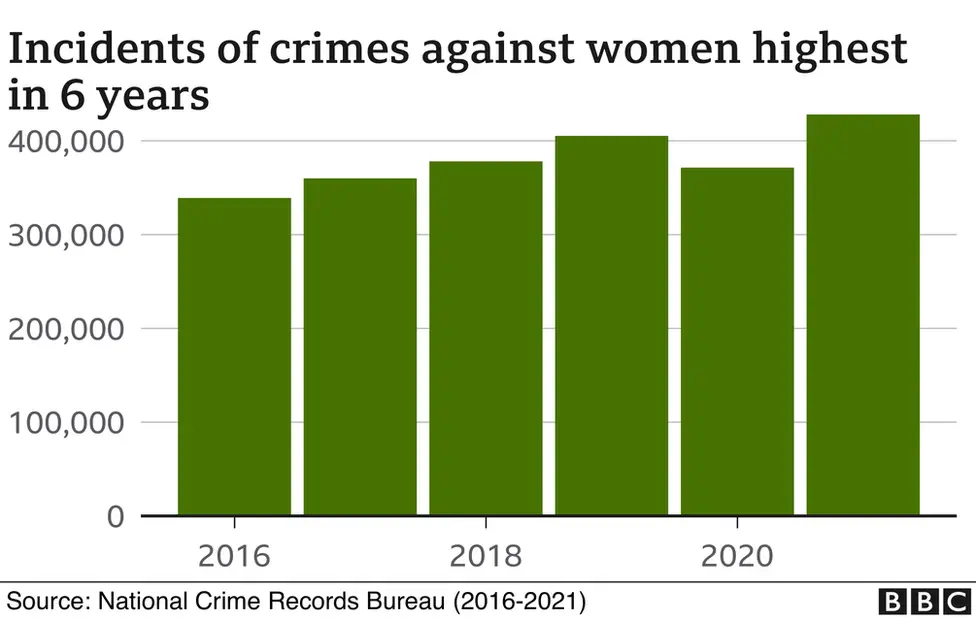
The latest consolidated reports for late 2025 and early 2026 reveal a persistent upward trend in crimes against women, even as overall crime rates showed a marginal decline in some urban sectors.
-
National Surge: In 2025, several states reported a significant uptick in crimes against women; Odisha, for instance, saw a 5.6% increase in registered cases compared to the previous year.
-
Volume of Offenses: Nationally, reported incidents of crimes against women have surged past 445,000 annually. While “cruelty by husband or relatives” remains the most frequent charge, violent street crimes and sexual assaults continue to rise.
-
The Rape Crisis: Reported rape cases have seen a steady climb, with over 31,500 incidents registered annually. Experts suggest the true figure may be significantly higher due to social stigma and under-reporting in rural areas.
-
Urban Danger Zones: Delhi remains at the top of the “most unsafe” list for women, with the highest per-capita rate of sexual offenses among major metropolitan areas.
According to the NARI 2025 report:
Patna
Jaipur
Faridabad
Delhi
Kolkata
Srinagar
Ranchi
These cities ranked lowest in women’s safety scores among 31 major cities.
Source:-(NCW)— kavya (@kavya_8969) March 25, 2026
A Target on the Traveler: Risks to Foreign Women
International security agencies, including the U.S. State Department and the UK Foreign Office, have updated their 2026 advisories to reflect a “Level 2: Exercise Increased Caution” status for India, specifically citing a “Crime (C) Indicator.”
Key Concerns for Tourists:
-
Sexual Harassment & Assault: Violent crimes, including sexual assault, have been reported at popular tourist sites. Travelers are frequently warned that “eve-teasing” (verbal harassment) can quickly escalate into physical stalking or assault.
-
Spiking and Drugging: There is a noted increase in “drink-spiking” incidents at popular bars and even on long-distance trains, where criminals target solo travelers to facilitate theft or assault.
-
Safety Filters: Recent travel reports show that women travelers now apply 3x more safety filters when booking trips in India compared to men, highlighting a deep-seated lack of trust in local security infrastructure.
The Global Index: Missing the Mark
In the 2025–26 Women, Peace and Security (WPS) Index, which ranks 181 countries on safety and justice, India failed to make the top 100, landing at a lowly 131st. The ranking reflects poor performance in community safety and a high perception of public violence.
“The reporting reflects real incidents—predominantly affecting Indian women, but the spillover into the tourist sector is undeniable. Solo female travelers are now advised by multiple embassies to avoid traveling alone in India.” — Extract from the 2026 Country Security Report.
United States updates State Department Travel Advisory for #India to “exercise increased caution” with the top concern being “rape” and terrorism.
“Rape is the fastest growing crime in India. Sexual assault happens at tourist sites”. pic.twitter.com/2BjO1tpSJJ
— The STRATCOM Bureau (@OSPSF) June 22, 2025
Government Response vs. Implementation
The Indian government has introduced the Bharatiya Nyaya Sanhita (effective July 2024), which mandates stricter penalties for sexual offenses and the recording of victim statements via audio-video. Additionally, over 14,600 Women Help Desks have been operationalized. However, critics argue that a 25% national conviction rate for rape—falling as low as 2% for marginalized groups—creates a culture of impunity that continues to endanger both residents and visitors.
You May Like To Read:
- Pakistan Strongly Condemns Harsh Sentences Awarded to Kashmiri Leader Asiya Andrabi
- Pakistan Snubs India’s Terror Agenda at UN Security Council Over Afghanistan
- FO Slams India as “Open War” Erupts on Western Border