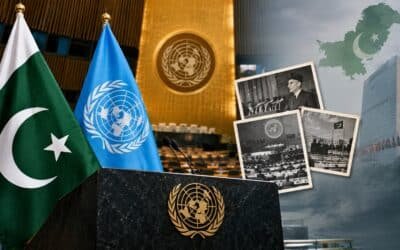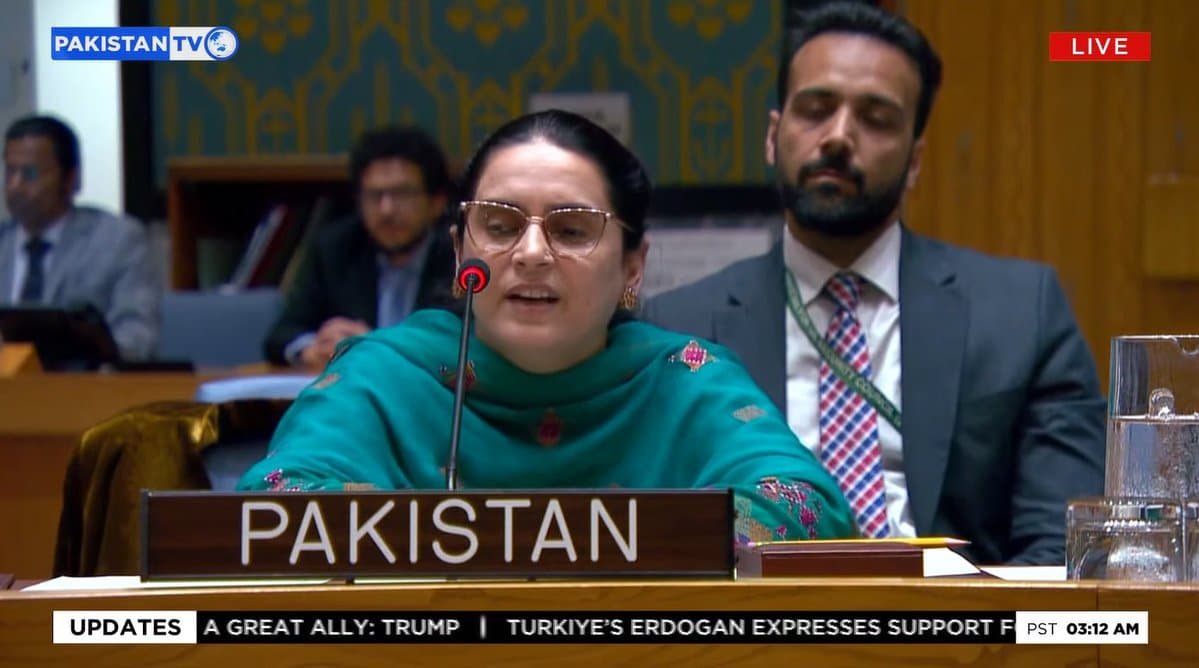





NEW YORK — Pakistan has strongly rejected a series of hostile accusations made by India during a United Nations Security Council (UNSC) debate, declaring that New Delhi stands fully exposed by its own state-sponsored terrorism, illegal occupations, and consistent disregard for international law. Speaking at the council’s session on the protection of civilians, Pakistan’s representative Saima Saleem delivered a robust right of reply after the Indian envoy leveled defamatory charges against Islamabad. Saleem noted that India continues to wear the mask of a victim to hide its aggressive regional maneuvers and heavy-handed repression of minorities at home. The diplomatic showdown intensified after Pakistan initially raised the ongoing humanitarian plight and denial of self-determination in occupied Kashmir.
Key Highlights
- Pakistan rejected India’s malicious allegations during a high-level UNSC session on civilian protection.
- Representative Saima Saleem stated New Delhi uses a victim mask to hide state-sponsored terrorism.
- Islamabad exposed Indian-financed terrorist proxies operating via Afghan soil to target Pakistani civilians.
- The Pakistani delegation defended its precise counter-terrorism strikes against militant hideouts inside Afghanistan.
- India was heavily criticized for weaponizing water and unilaterally holding the Indus Waters Treaty in abeyance.
Right of Reply by Counsellor, Ms. Saima Saleem
In Response to Remarks by India during the Security Council Annual Debate on the Protection of Civilians
(20 May 2026)
****Mr. President,
Today, India once again came to this Council wearing the mask of a victim — but the world… pic.twitter.com/KAICgoYeUl
— Permanent Mission of Pakistan to the UN (@PakistanUN_NY) May 21, 2026
Cross-Border Terrorist Networks and Regional Aggression Unmasked
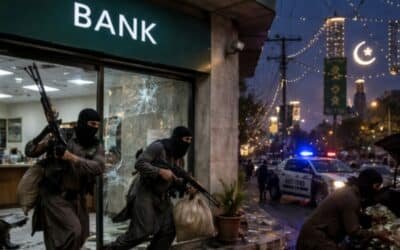
The diplomatic clash erupted after the Indian representative tried to lecture the council on humanitarian obligations, forcing Pakistan to lay bare New Delhi’s extensive support for banned militant outfits. The Pakistani delegation stated that India’s state-sponsorship of terrorism has a devastating human cost, funding networks like the Tehreek-i-Taliban Pakistan (TTP) and the Balochistan Liberation Army (BLA) to launch bloody attacks in Pakistani markets and schools. Addressing recent border security measures, Saleem clarified that Pakistan’s counter-terrorism operations inside Afghanistan were highly professional, precise, and directed solely at militant hideouts rather than civilian facilities. She dismissed joint hostile rhetoric from the Taliban regime and New Delhi as a coordinated disinformation campaign aimed at protecting collapsing regional proxy investments.
Turning the focus toward severe human rights violations, Pakistan underscored that India cannot conceal its brutal military footprint in Indian Illegally Occupied Jammu and Kashmir (IIOJK). The council was informed that daily life for Kashmiri civilians is defined by forced detentions, systemic silencing, and a complete denial of their UN-mandated right to self-determination. Furthermore, Islamabad warned that rising Islamophobia has been normalized as official policy under the current Indian administration, where hate speech is politically rewarded, and minority communities face daily institutional discrimination. By highlighting India’s dangerous attempt to suspend the Indus Waters Treaty, Pakistan reminded the international community that a neighbor threatening the water security of millions cannot genuinely speak on civilian protection.