




ISLAMABAD — The federal government has proposed an allocation of Rs3 trillion for defence services in the fiscal year 2026–27 budget. Unveiled on Friday by Finance Minister Muhammad Aurangzeb in the National Assembly, the figure marks a 17.65 percent increase over the outgoing year’s original allocation of Rs2.55 trillion, driven by persistent regional tensions and internal security operations.
Key Highlights
- Defence allocation raised by 17.65% to Rs3 trillion for FY2026–27.
- Military spending crosses the 2% of GDP threshold, accounting for 2.08% of the projected GDP.
- Allocation constitutes nearly 16% of the total Rs18.77 trillion federal outlay.
- Military equipment procurement (physical assets) sees a sharp 39.62% increase to Rs925.83 billion.
- Employee salaries account for Rs967.55 billion, while pensions are budgeted separately at Rs822 billion.
Historic Defence Budget: 3 Trillion Rupees Approved for National Security
In a major development, the Government of Pakistan has proposed a massive allocation of 3 trillion rupees for national defence in the federal budget for FY 2026-27. This marks an 18% increase from last… pic.twitter.com/s9mR81vWlX
— Hype Pakistan (@HypePakistan) June 12, 2026
Modernization and Personnel Costs Drive Spending Growth
The proposed defence budget reflects heightened security priorities, notably ongoing friction along the Afghan border, long-standing tensions with India, and widespread counterterrorism operations. Tabling the budget, Finance Minister Aurangzeb praised the armed forces’ operational readiness and professional competence in responding to external aggression, framing military stability as a foundational pillar of the country’s economic path.
A functional breakdown shows that personnel costs remain the largest slice of the defence ledger. Employee-related expenses, covering the salaries and allowances of civilian and military staff, are set to grow by 14.36 percent to Rs967.55 billion, making up roughly 32 percent of the military budget. Operational expenses—including training, fuel, rations, and medical services—will consume Rs743.46 billion.
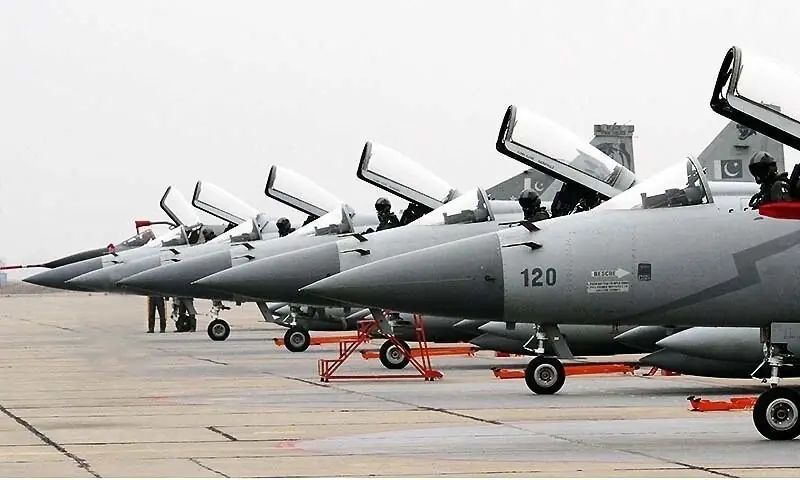
Significantly, the sharpest expansion is reserved for force modernization. The “physical assets” head, which funds the procurement of arms, ammunition, and sophisticated military acquisitions, will jump by 39.62 percent to Rs925.83 billion. This structural shift signals a clear strategic pivot toward upgraded equipment and enhanced hardware following years where operational overheads dominated spending.
Comparative Outlays and Separate Windows
The Rs3 trillion figure does not capture the entirety of state defense-related spending. Retired military personnel pensions are structured outside the core defence services budget and have been allocated Rs822 billion under the general federal pension framework. Additionally, official budget documents maintain confidentiality regarding expenditures related to the national nuclear weapons program.
FY2026-27 Defence Budget Breakdown
• Employee Expenses (Salaries): Rs967.55 billion (32.25%)
• Physical Assets (Procurement): Rs925.83 billion (30.86%)
• Operating Expenses (Logistics): Rs743.46 billion (24.78%)
• Civil Works (Infrastructure): Rs363.16 billion (12.11%)
The substantial surge in security infrastructure comes at a time when the government faces severe fiscal constraints and a projected inflation rate of 8.2 percent. For context, the expanded defense allocation stands in contrast to domestic development programs; the entire federal development portfolio is budgeted at Rs1 trillion, with specific allocations of Rs46 billion for higher education and Rs25.1 billion for healthcare.