




ISLAMABAD — Pakistan has stepped in once again, urging the United States and Iran to immediately stop the fresh fighting and return to the negotiating table.
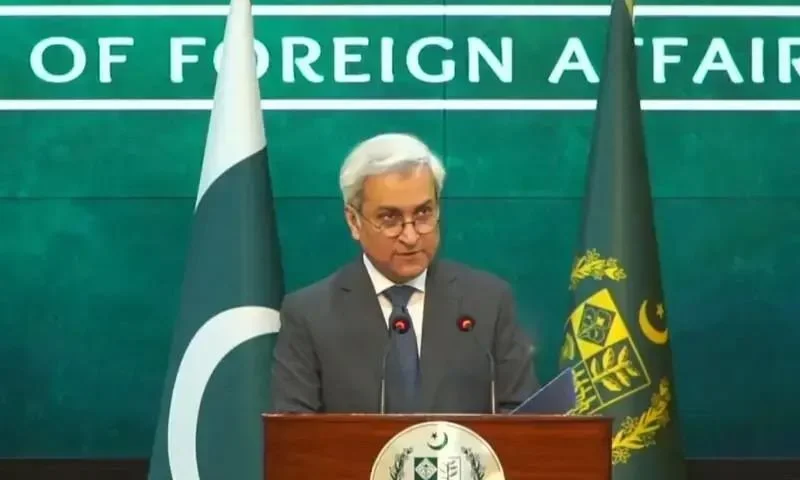
Speaking at the weekly media briefing on Thursday, Foreign Office Spokesperson Tahir Andrabi expressed serious concern over the current situation. He said the Islamabad Memorandum of Understanding (MoU) — a temporary peace agreement brokered by Pakistan and Qatar last month — is now in serious trouble because of renewed military clashes.
Andrabi made it clear that both sides need to respect the commitments they made in the MoU. “There is no alternative to dialogue and diplomacy,” he stressed. Pakistan, along with Qatar, is actively encouraging Washington and Tehran to de-escalate and resume technical-level talks as per the roadmap agreed in Switzerland in June.
Pakistan’s Foreign Office has called on the United States and Iran to de-escalate tensions and resume technical-level negotiations, emphasizing the importance of dialogue over confl!ct. During a weekly briefing, FO spokesperson Tahir Andrabi highlighted that the Pakistan-mediated… pic.twitter.com/cnAglyZj6v
— Pakistan Economic Network (@NetPakistan) July 16, 2026
Rising Tensions and Economic Pain
Tensions flared up again after the US struck Iranian coastal defenses and missile sites, prompting Iranian retaliatory attacks on American bases in the Gulf region. These exchanges have badly shaken the fragile peace effort that was achieved on June 18.
Pakistan also drew attention to the heavy economic fallout, especially the disruption in the Strait of Hormuz. The narrow waterway, which handles about 20% of the world’s oil and gas trade, is virtually blocked due to the conflict. Global oil prices have jumped sharply, and Pakistan itself had to increase petrol and diesel prices by more than Rs13 per liter just last week.
“Many countries, especially in the Global South, are suffering because of this,” Andrabi said, calling for the immediate restoration of safe shipping routes.
Behind-the-Scenes Efforts
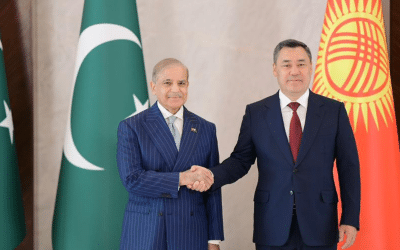
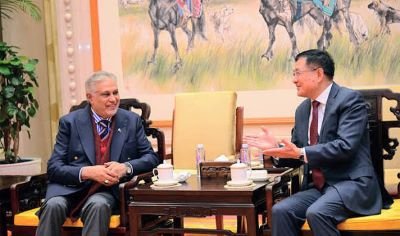
The spokesperson confirmed that Pakistan is working quietly but actively to save the peace process. Prime Minister Shehbaz Sharif has spoken with the Qatari Emir and Iranian President Masoud Pezeshkian, while Deputy Prime Minister Ishaq Dar is engaged with regional partners to keep the dialogue alive.
Pakistan is once again trying to play the role of a responsible mediator in a dangerous regional crisis that is hurting not just the two countries involved, but ordinary people and economies across the world.