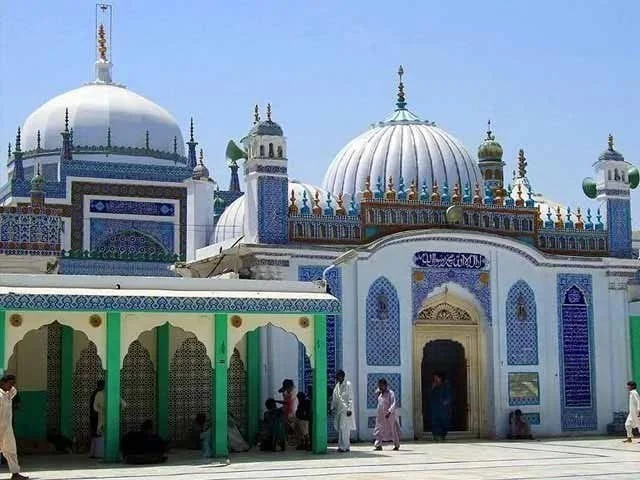





KARACHI — The Government of Sindh on Monday officially notified that Wednesday, July 29, 2026 (14th Safar 1448 A.H.) will be observed as a public holiday across the province to mark the start of the three-day annual Urs of the revered 18th-century Sufi poet and scholar, Hazrat Shah Abdul Latif Bhittai.
The holiday will apply to all government offices, autonomous bodies, semi-autonomous institutions, corporations, and local councils under the Sindh government, with the exception of essential services. The annual commemorations, held at Bhittai’s mausoleum in Bhit Shah, traditionally begin on 14th Safar and attract thousands of devotees, scholars, and folk musicians from across South Asia.
The Government of Sindh has declared 14th Safar 1448 A.H. (Wednesday, 29 July 2026) as a public holiday throughout the Province of Sindh on the occasion of the Urs of Hazrat Shah Abdul Latif Bhittai (R.A.). pic.twitter.com/I2GvFXQ6KV
— Sindh Information Department (@sindhinfodepart) July 27, 2026
The Crown Jewel of Sindhi Civilization & Literature
Shah Abdul Latif Bhittai (1689–1752) stands as the most iconic figure in Sindhi cultural identity and one of the most influential literary voices in the South Asian subcontinent. His poetry masterfully blended profound mystical thought with the lived realities of ordinary people, transforming Sindhi from a spoken dialect into a rich literary language.
The Significance of Shah Jo Risalo
Bhittai’s masterpiece, Shah Jo Risalo, is widely regarded as a classic of world mystical literature. Composed in poetic chapters known as Surs, the work explores themes of divine love, human suffering, and social critique.
- Empowerment of the Female Voice (Sur Surath& The Seven Queens): Breaking from the conventions of his time, Bhittai placed women at the centre of his narratives. His famous Seven Queens of Sindh — including Marui, Sassui, Sohni, and Moomal — represent symbols of spiritual resilience, moral courage, and resistance against oppression.
- Acoustic & Musical Innovation: Bhittai designed the Tamboro, a unique five-stringed instrument, and developed his own distinctive musical style (Latifi Raag) to perfectly complement his poetry.
- Universality & Humanism: Deeply rooted in the Sufi philosophy of Wahdat al-Wujud (Unity of Existence), his verses promote religious tolerance, pluralism, and universal brotherhood while challenging sectarianism and social divisions.
“O Lord, may Sindh prosper forever; my gracious God, make the whole world flourish.”
— Shah Abdul Latif Bhittai (Sur Sarang)