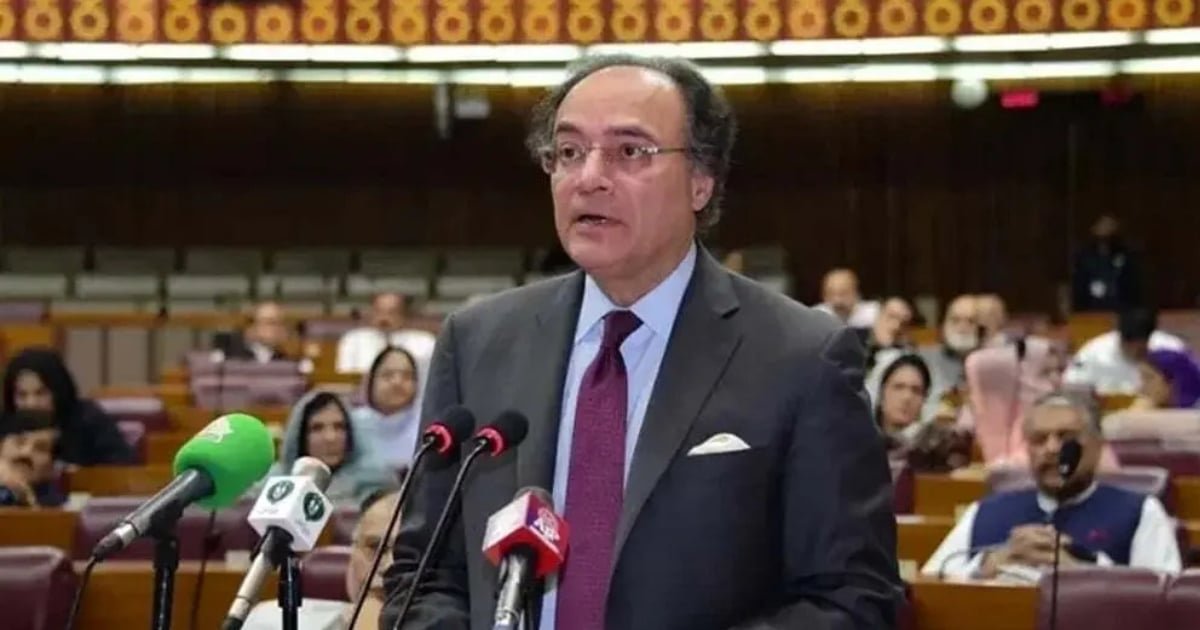


Washington (April 16, 2026) — Finance Minister Muhammad Aurangzeb has cautioned that a prolonged war between the U.S. and Iran would trigger “serious financial consequences” for Pakistan and the global economy. Speaking to CNBC on the sidelines of the IMF-World Bank meetings, the minister underscored the high stakes for non-combatant nations facing indirect economic shocks.
Key Points
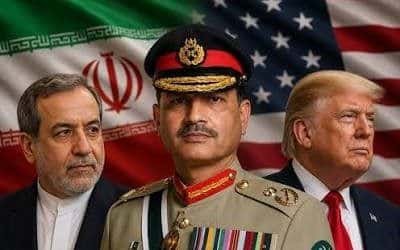
- Aurangzeb termed the recent Islamabad summit a historic achievement, noting it was the first face-to-face sit-down between the two sides in nearly 50 years.
- He warned that while Pakistan is not a direct party to the war, it is feeling the immediate financial impact of a “war-like situation.”
- The minister emphasized that maintaining the current truce is more critical than setting firm dates for the next round of talks.
- Pakistan has enough oil reserves to last through next month, but lacks “strategic reserves” to survive long-term disruptions.
Fuel Rationing May Hit Pakistan Depending On ‘How Far, How Long,’ West Asia Conflict Goes, Says Finance Minister Aurangzeb At IMF Spring Meetings
📹 IMF pic.twitter.com/8LgmvPmvML
— RT_India (@RT_India_news) April 15, 2026
Diplomacy as the only path forward
The Finance Minister defended the outcome of the weekend talks in Islamabad, rejecting the idea that a lack of an immediate agreement was a failure. He noted that both Washington and Tehran have recognized Pakistan’s “earnest efforts” and that the mere resumption of engagement bodes well for regional stability.
Energy and the Strait of Hormuz
Addressing concerns over fuel supplies, Aurangzeb highlighted Pakistan’s reliance on commercial reserves. He warned that any closure of the Strait of Hormuz or a sustained spike in global oil prices would create a dual crisis of “availability and pricing” for the country. This fiscal pressure is a primary driver behind Pakistan’s intense mediation efforts.
World Bank President Ajay Banga warns: even if peace holds, disruptions in the Strait of Hormuz could slow global growth by up to 0.3%.Energy infrastructure is already damaged — and recovery may take years.#AjayBanga #WorldBank #GlobalEconomy #OilPrices #StraitOfHormuz pic.twitter.com/SptAzbZ5E6
— Business Today (@business_today) April 13, 2026
Fiscal impact on the upcoming budget
The minister’s comments come as he prepares for upcoming budget discussions with the IMF. He reiterated that Pakistan remains committed to its reform agenda but noted that global volatility remains the biggest threat to domestic macroeconomic stability.
You May Like To Read: Saudi Arabia transfers $2 billion to the State Bank of Pakistan
Check out our latest video: