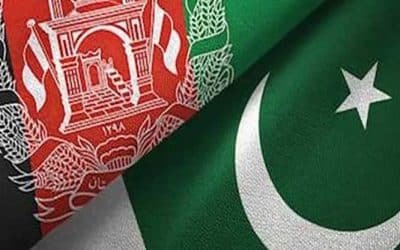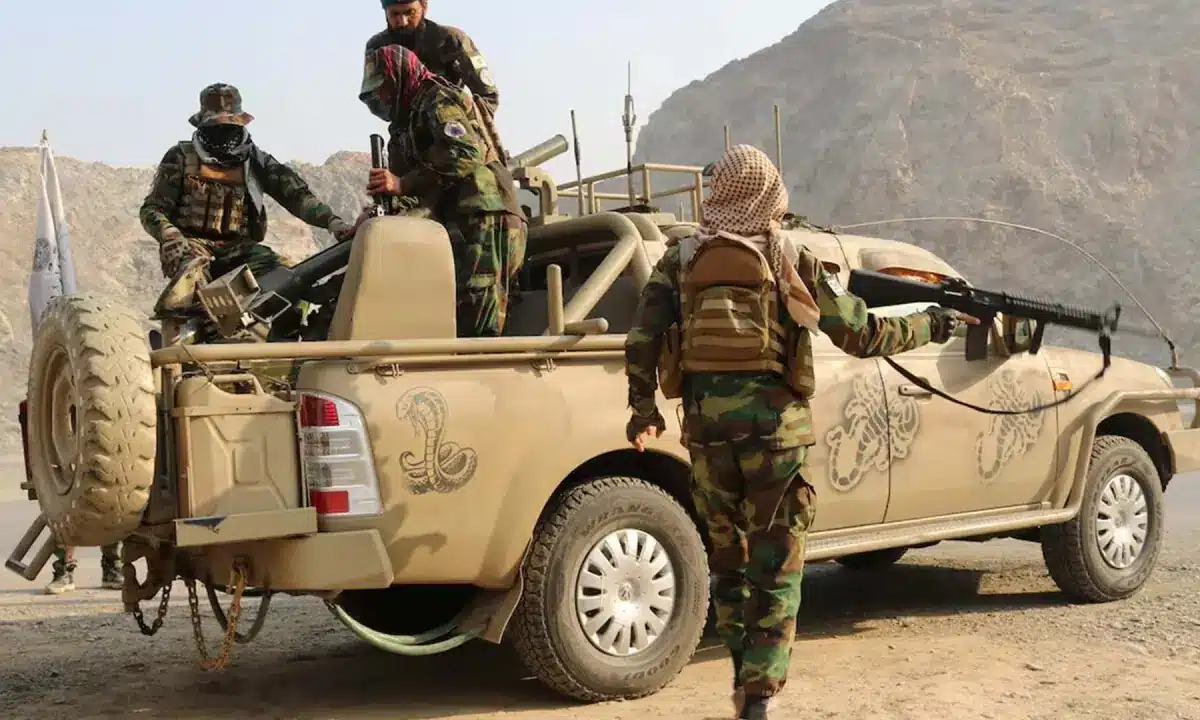




A UN Security Council report says that support from the Afghan Taliban has led to more militant attacks by Tehreek-i-Taliban Pakistan (TTP). This comes even though Kabul has taken some steps to limit the group. The 38th report from the UN Analytical Support and Sanctions Monitoring Team spans from December 16, 2025, to June 9, 2026. It also shows more links between the TTP, Al Qaeda, ISIL-K, and the Baloch Liberation Army (BLA).
Key Highlights
- UN report says Taliban support helped drive more frequent, deadlier TTP attacks
- Afghan authorities relocated roughly 2,000 TTP fighters and families away from the border
- Taliban chief Hibatullah Akhundzada reportedly warned TTP to halt attacks or lose support
- Al Qaeda publicly backed TTP operations against Pakistan for the first time in April
- ISIL-K attacks fell in Afghanistan but rose in Pakistan during the reporting period
اقوام متحدہ کی سلامتی کونسل کے مقرر کردہ نگران گروپ نے رواں ہفتے ایک رپورٹ میں کہا ہے کہ افغان طالبان کی جانب سے تحریک طالبان پاکستان ( ٹی ٹی پی) کی حمایت کے باعث گذشتہ چھ ماہ کے دوران پاکستان میں زیادہ جان لیوا حملے ہوئے۔ گروپ نے مزید کہا کہ افغانستان سے پیدا ہونے والا شدت پسندی…
— Adnan Adil (@adnanaadil) August 13, 2026
A Dual-Track Approach From Kabul
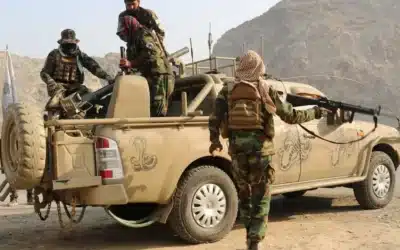
The report says Afghan authorities relocated around 2,000 TTP fighters and their families from the Pakistani border to deeper areas in Afghanistan. Taliban leader Hibatullah Akhundzada warned TTP’s leaders via backchannel contacts. He said to stop attacks on Pakistan or risk losing Taliban support. Analysts described this as a dual-track approach. Kabul appears to be managing the group rather than dismantling it, largely because of shared ideological ties. For Pakistan, moving fighters away from the border doesn’t fix the main issue. The group’s command, training, and logistics networks are still in place.
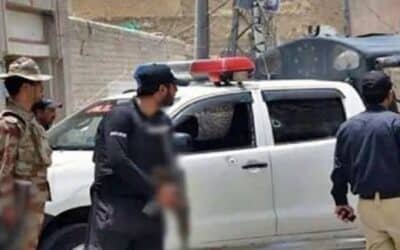
Meanwhile, the TTP has kept expanding. After the December leadership council, the group announced a new structure. It will have divisions for Balochistan, the central region, and Kashmir and Gilgit. It also created a division it calls the “TTP Air Force,” signaling an effort to widen its operational reach. In March, the group launched a campaign called “Operation Khyber,” urging more attacks on Pakistani security forces and civilians. One of the deadliest attacks happened on February 16 in Bajaur. A vehicle-borne bomb killed eleven security personnel and a child.
Blurred Lines Between Militant Groups
The report describes increasingly blurred boundaries between groups operating in and from Afghanistan. On April 28, Al Qaeda’s media branch, As-Sahab Media Foundation, backed the TTP’s actions against Pakistan for the first time. This marks a change from its previous role of providing only ideological guidance and training. One member state told the monitoring team that BLA militants trained alongside TTP fighters under Al Qaeda instructors in Afghanistan. The report found that Al Qaeda in the Indian Subcontinent is the core of Ittihadul Mujahideen Pakistan. This group is linked to several attacks in Khyber Pakhtunkhwa. Its leaders are said to be in Kabul, having received identity documents from the Taliban.
ISIL-K is still a serious threat. The report says it is the biggest danger to both the Taliban and the wider region. The group has moved its infrastructure to northern Afghanistan. It is also building training networks across the Pakistan-Afghanistan border, including Khyber Pakhtunkhwa. Member states reported that ISIL-K fighters now use drones, night-vision equipment, and thermal imaging gear, and have received urban combat training. The group took responsibility for a suicide bombing on February 6 at a Shia mosque in Islamabad. This attack killed 32 people and injured over 150. They also claimed the killing of cleric Sheikh Muhammad Idrees on May 5 in Khyber Pakhtunkhwa.
Taken together, the findings point to a threat that has grown more layered rather than simpler. TTP still has support from the Taliban. Al Qaeda provides training and ideas. Meanwhile, ISIL-K and BLA are growing their shared logistics networks. The Taliban has moved some fighters and warned TTP’s leaders. This might relieve pressure along the border for now. However, the UN report does not say Kabul has severed ties with the group.