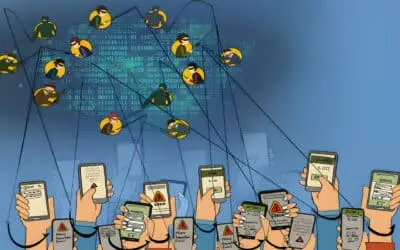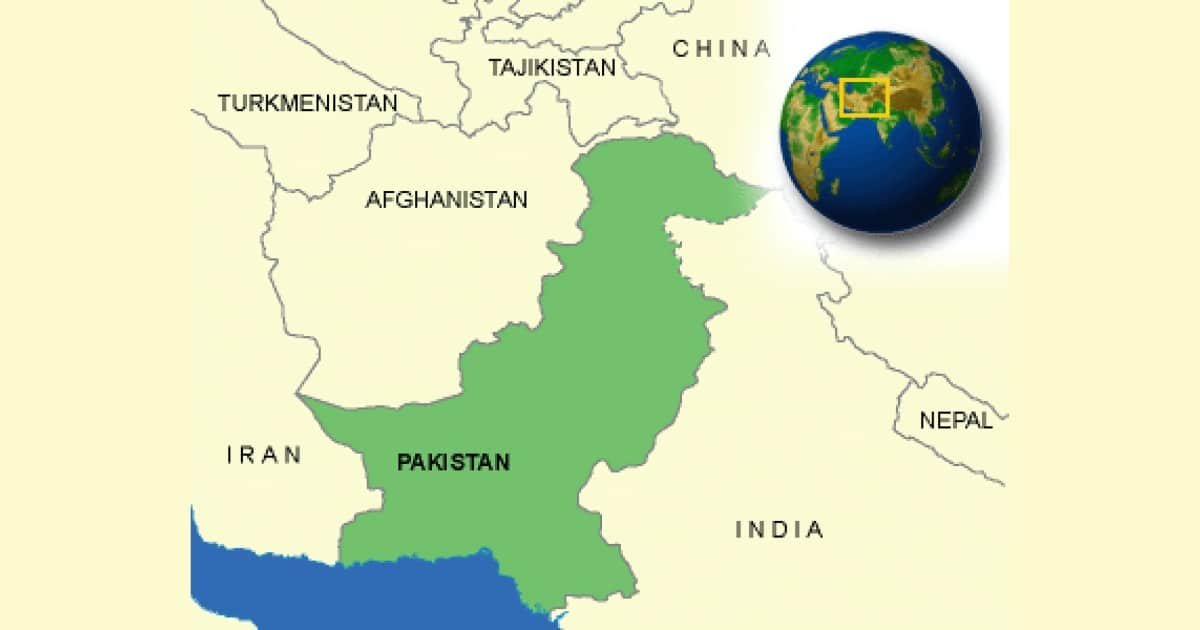





In recent years, Pakistan has adopted digital diplomacy to shape its international image. Public opinion and elite discourse are increasingly formed online. Islamabad’s Foreign Office (MOFA), military spokespersons, and diplomatic missions have launched coordinated social media and web initiatives. Campaigns, from MOFA’s internal “Share Pakistan” portal to the army’s vocal online presence, aim to reach foreign audiences and the diaspora. They counter hostile narratives and promote Pakistan’s soft power. Between 2023 and 2025, leaders indicated a shift in approach. Instead of passive media management, they now actively utilize digital platforms, Twitter, Facebook, X, Instagram, and official websites, to tell Pakistan’s story in real time and engage stakeholders worldwide.
Modernizing Diplomacy: The Share Pakistan Portal
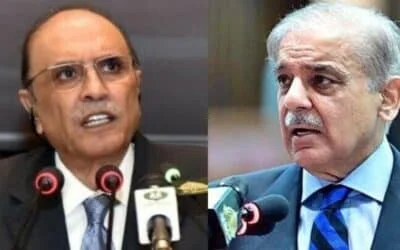
A major development was the launch of the “Share Pakistan Portal” in May 2023, inaugurated by Foreign Minister Bilawal Bhutto-Zardari. This online platform connects the MOFA with over 100 Pakistani embassies and consulates. It standardizes the collection and sharing of public diplomacy outputs. Diplomats abroad can input local feedback and coordinate messaging. The portal was created to digitalize and simplify foreign service operations. Missions can upload outreach activities like seminars, cultural festivals, and investment fairs. The push toward digital management reflects recognition that real-time data and analytics, including social media trends and online sentiment, are now vital inputs for foreign policy.
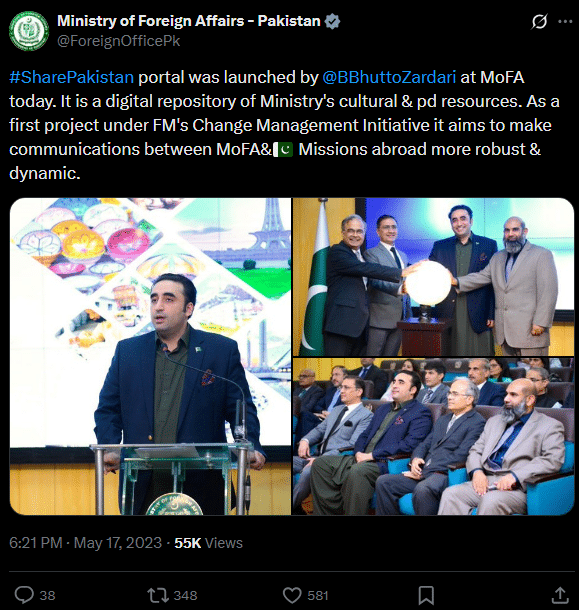
Source: X/@ForeignOfficePk
Pakistan Military’s Digital Diplomacy
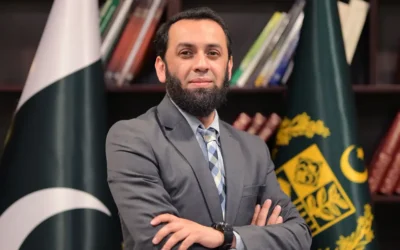
The Pakistani military plays an active role in online diplomacy. Social media is used by ISPR and DG ISPR Lt. Gen. Ahmed Sharif Chaudhry to target audiences worldwide. Posts and televised press conferences garner significant engagement. He introduced the term digital terrorism in August 2024 to refer to online disinformation. The ISPR also pledges to take legal action against anyone propagating against the army. Its X account (@OfficialDGISPR) tweets and interacts with foreign commentators. The military employs transparency and assertiveness to counteract negative news, reassure international observers, and strengthen Islamabad’s digital diplomacy.
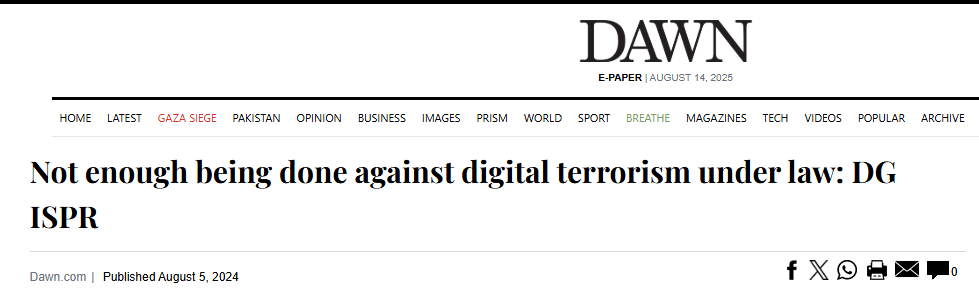
Source: Dawn News
Digital Diplomacy as a Response to Adversarial Narratives
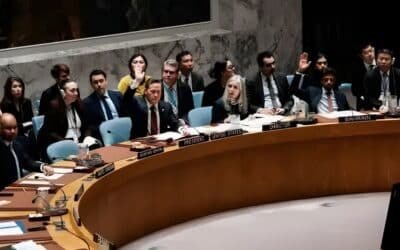
A key focus of Pakistan’s digital campaigns is countering adversarial narratives. On global affairs, Pakistan uses social media to articulate its policy positions. Pakistani officials and representatives portray the country as a supporter of multilateral solutions. In July 2025, during a UN forum, the UN Ambassador of Pakistan highlighted Pakistan’s contribution to UN peacekeeping as a major troop contributor. Official statements on Gaza, Kashmir, climate change, and other issues are also shared via videos on the MOFA and ISPR Twitter pages. This access to international audiences and think tanks emphasizes Pakistan’s role, with around 235,000 peacekeepers in 48 international missions, seeking renewed UN attention to Kashmir. Digital media is also used by military and civilian spokespeople to create favorable narratives around regional conflicts. Some campaigns are labeled propaganda by critics, but Pakistani officials argue they are necessary to counter hostile foreign media.
You May Like To Read: Language and Identity: How Cultural Nuances Amplify Disinformation (IW12)
Challenges to Pakistan’s Digital Diplomacy
Pakistan’s digital diplomacy encounters obstacles domestically and internationally. Frequent social-media bans and legal actions against journalists sharing anti-Pakistan content weaken claims of supporting open dialogue. Hostile foreign media and think tanks target Pakistan online, requiring constant message refinement. The Army’s warnings about “digital terrorism” and calls for anti-misinformation laws indicate that it considers information warfare a serious threat. In early 2025, Pakistan’s National Assembly passed amendments to the Prevention of Electronic Crimes Act (PECA), empowering authorities to block content and register users or platforms under a new Social Media Protection and Regulatory Authority. Penalties include up to three years in prison and hefty fines for spreading false or fake information. Measuring impact remains challenging. Success will depend on combining positive storytelling with transparent engagement.
You May Like To Read: Al Jazeera News Wrap Up: 3rd to 9th August, 2025
Proactive Digital Diplomacy and Image-Building
The trend is clear: Islamabad is no longer passive in the social-media age. Through institutional efforts like the Share Pakistan portal, online engagement with diaspora communities and youth through the FM Portal, and empowering embassies to conduct virtual diplomacy, Pakistan is working to redefine itself. These actions boost its soft power in foreign policy. Government officials highlight the investments of overseas Pakistanis and programs like the Roshan Digital Account, which have attracted billions of dollars in remittances. By sharing these achievements on digital platforms, Pakistan can attract investors and tell a story of resilience.
Digital Platforms as Strategic Diplomatic Forums
Pakistani leaders directly engage international stakeholders through digital platforms. Live speeches, online press briefings, and a strong social-media presence enable more interactive diplomacy compared to one-way press releases. Participation in multilateral events via video, along with Twitter Q&A sessions with think-tank audiences, shows Pakistan’s willingness to collaborate on global issues like climate change, terrorism, and refugees. It also makes Pakistan’s stance more prominent. For instance, when Islamabad condemned “politically driven starvation” in Gaza on social media, it aligned with a broader narrative that resonated with many Muslim-majority partners.
You May Like To Read: The Role of Journalism, Fact-Checking, and Ethical Media(IW13)
Conclusion
Pakistan’s digital diplomacy has become an integral part of its foreign policy. The results of individual campaigns are hard to measure, but the overall strategy has merit. It modernizes Pakistan’s outreach and provides platforms for the diaspora, youth, and international allies. Continuing this trend requires sustained investment in cyber-skills and creative communications. Every embassy, general, and minister must know how to leverage hashtags and viral videos in line with national interests. Managed well, this digital pivot can counter hostile narratives, project soft power, and enable multilateral engagement with larger powers. The online battlefield is the new frontier of diplomacy, and Pakistan is staking its claim.