




ISLAMABAD — In a policy statement marking World Wetlands Day (February 2, 2026), Federal Minister for Maritime Affairs Muhammad Junaid Anwar Chaudhry underscored the indispensable role of coastal wetlands in securing Pakistan’s maritime future and its burgeoning “Blue Economy.”
The minister emphasized that wetlands are not merely ecological sites but strategic economic assets that safeguard the Arabian Sea and the nation’s multi-billion-dollar maritime infrastructure.
The Economic Value: From $1B to $100B
Pakistan is currently aiming to scale its Blue Economy from a modest $1 billion to an ambitious $100 billion annually. Minister Chaudhry highlighted that this growth hinges on the health of coastal ecosystems:
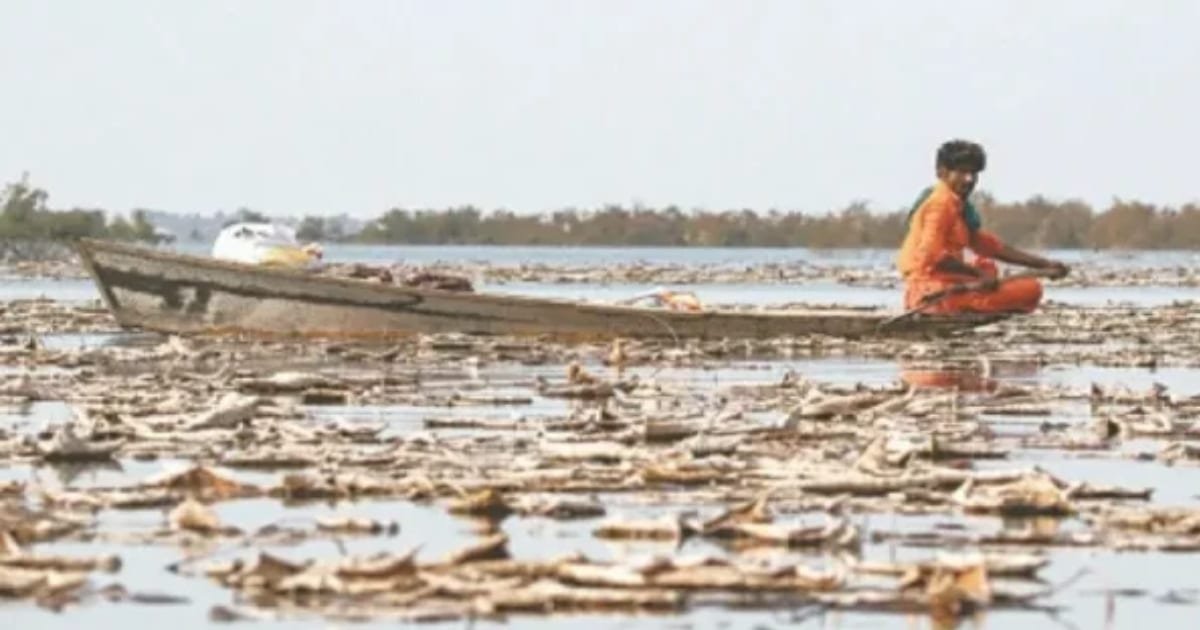
- Fisheries & Food Security: Wetlands, particularly the Indus Delta mangroves, serve as primary breeding grounds for fish and shrimp. Healthy wetlands directly translate to higher yields for fishing communities in Sindh and Balochistan.
- Natural Buffers: Mangroves and lagoons provide a “cost-effective” defense against coastal erosion, flooding, and storm surges, protecting major ports like Karachi and Gwadar from climate-induced damage.
Investigative Story about Wet Lands in Pakistan by @AsifkhanJmc https://t.co/Amf3vZKzyq
— Said Rasool Betani (@SaidBetani) February 4, 2024
The State of Pakistan’s Wetlands (2026)
The Ministry of Maritime Affairs released updated data on the country’s wetland resources:
- Quantity: Pakistan is home to over 240 significant wetlands, with 225 specifically classified for high ecological value.
- Land Coverage: These ecosystems cover approximately 10% of Pakistan’s total land area.
- Frontline Defense: Coastal wetlands act as carbon sinks and natural filters, maintaining water quality for marine life and preventing siltation in shipping channels.
2026 Theme: “Wetlands and Traditional Knowledge”
Aligning with the global theme of “Celebrating Cultural Heritage,” the minister called for the integration of indigenous wisdom with modern satellite technology.
- Indigenous Wisdom: The minister lauded coastal communities for their centuries-old sustainable fishing practices and their role as “organic guardians” of the mangroves.
- High-Tech Monitoring: Following a recent visit to SUPARCO, the minister announced that Pakistan will now use AI-based satellite monitoring to track mangrove health and detect oil spills or industrial pollution in real-time.
“Understanding our oceans is no longer optional; it is essential for climate resilience and the long-term health of our maritime resources.”
— Minister Junaid Anwar Chaudhry
You May Also Like: Fatima Bhutto Opens Up About Decade-Long Abusive Relationship in New Memoir
Key Initiatives for 2026
| Initiative | Goal |
| Ocean Literacy for All | Integrating marine science into the national school curriculum. |
| Maritime Educational Fund | Providing scholarships to children of fishing and coastal communities. |
| Solar-Powered Boats | Introducing the first fleet of green fishing vessels to reduce carbon footprints. |
| Mangrove Restoration | Expanding the target for coastal reforestation in the Indus Delta. |
The Ministry is currently finalizing a “Blue Economy Roadmap 2030.
Check out our latest video: