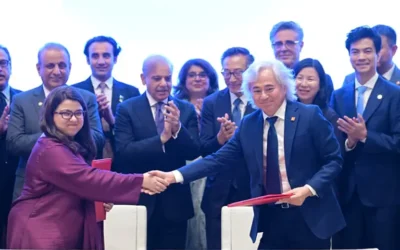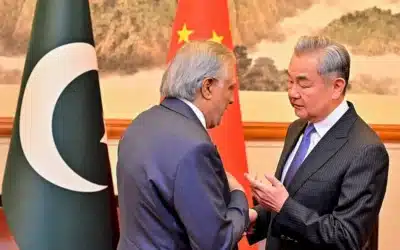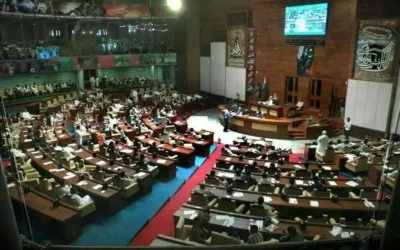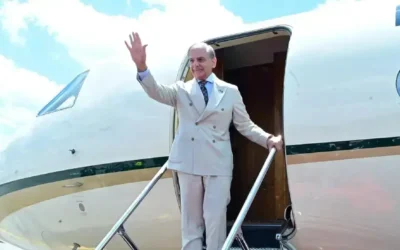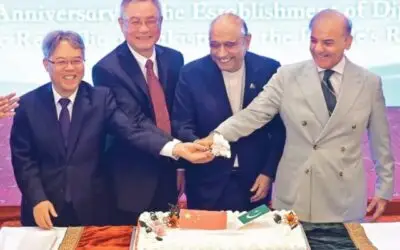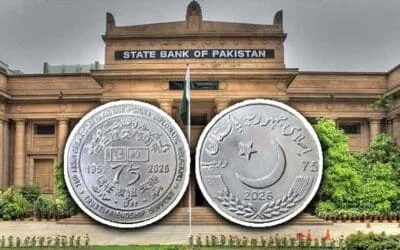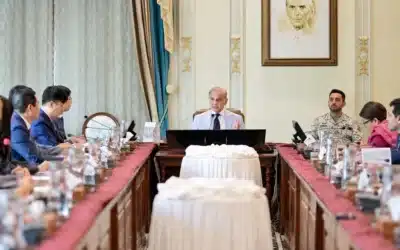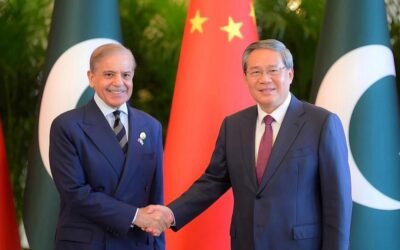


Pakistan calls China its top economic and diplomatic ally. The bond is described as all-weather and ironclad. It has centered on mutual support against shared security threats. In recent years, the alliance reached into the Middle East. In 2015, Pakistan refused Saudi pressure to join the Yemen war. Xi Jinping assured Islamabad that China would stand by it even if Gulf ties soured. Beijing promised huge investment through CPEC. The pledge was more than any Arab country could offer. This gave Pakistan room to resist Riyadh without losing support. The moment showed a shift. China’s backing gave Pakistan space in the Muslim world. It lets Islamabad support causes like Palestine with confidence in Chinese support.
CPEC and Pakistan’s Strategic Link to the Gulf
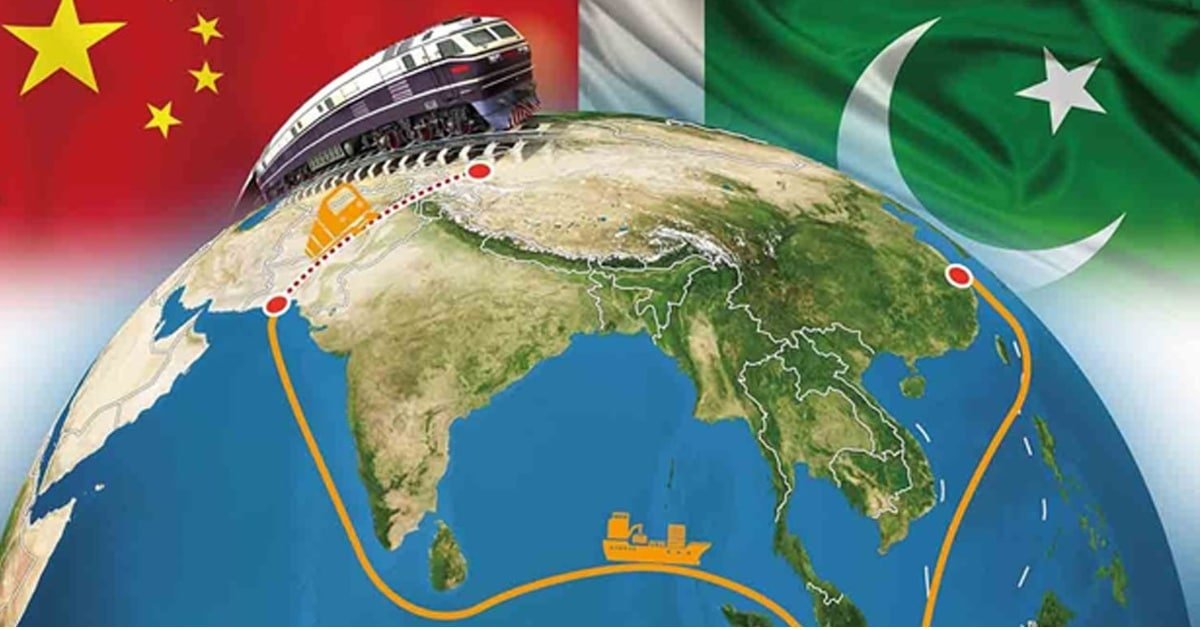
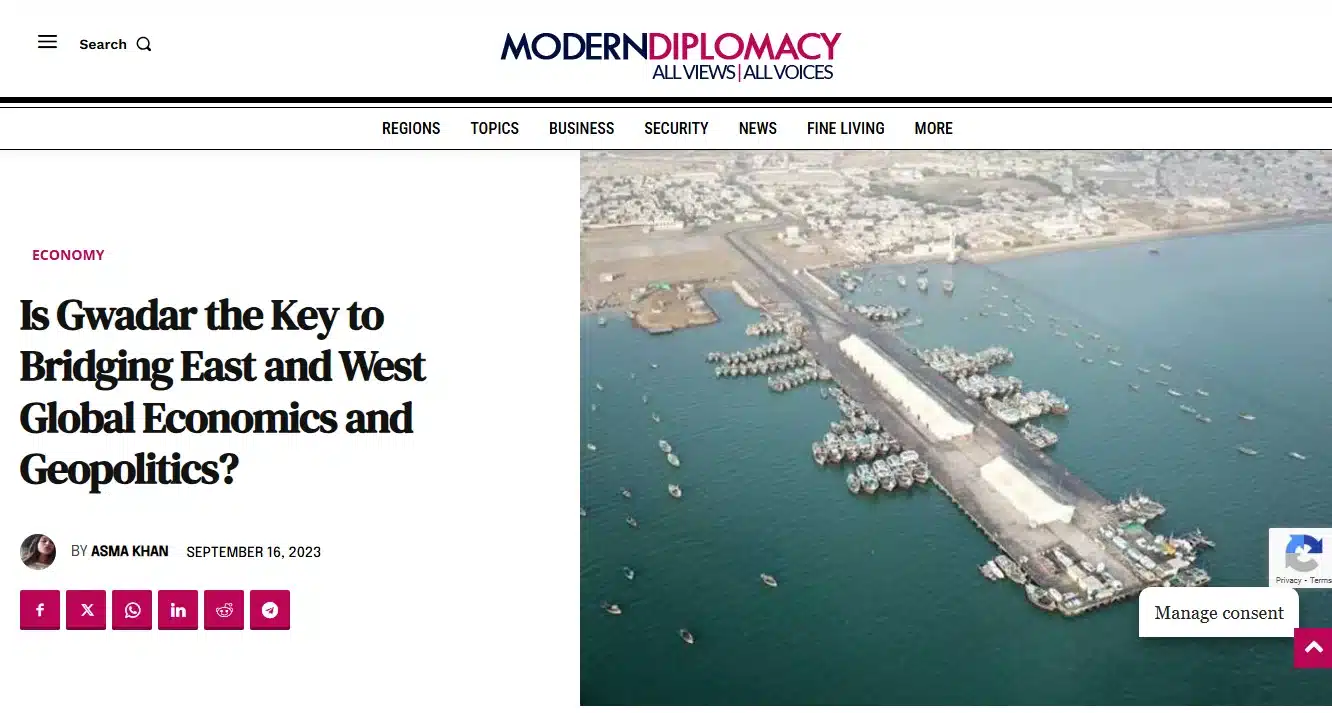
CPEC is reshaping how Pakistan and China connect to the Gulf. The $62 billion project includes the deep-sea port at Gwadar, located on the Arabian Sea directly opposite the Persian Gulf. Analysts argue that this corridor links China not only to South Asia but also to the EU and the Middle East, turning Gwadar into a hub of global trade. Gwadar also serves as a choke-point bypass of the Strait of Malacca. Persian Gulf oil can be offloaded there and then transported through pipelines or railways into China’s western provinces. This route reduces China’s dependence on sea lanes vulnerable to U.S. and Indian naval presence. Studies show that over half of China’s oil flows through the Strait of Hormuz, so the Gwadar-Xinjiang corridor gives Beijing a crucial alternative. For Pakistan, this creates new importance. Its land is central to China’s energy security strategy. Hosting Chinese pipelines, highways, and industrial zones raises Pakistan’s geostrategic profile. Islamabad gains jobs, infrastructure, and political leverage. It is no longer just a transit country but a pivotal axis. This shift also strengthens Pakistan’s bargaining power with Gulf states, which must now factor Pakistan’s growing role in China’s trade and energy networks. In the long run, CPEC could position Pakistan as both a commercial hub and a strategic bridge across regions.
You May Like To Read: The History of Pakistan-China Joint Military Exercises: Beyond Symbolism
Pakistan maintains a careful “strategic silence” in the Middle East. It balances ties with Turkey, the Gulf States, and Iran. This approach is reinforced by its growing strategic brotherhood with China. Beijing’s economic and diplomatic presence in the region strengthens Pakistan’s leverage and security. It allows Islamabad to navigate rivalries and protect its interests. Pakistan can assert itself as a key actor in Middle Eastern geopolitics.
The Pak-China partnership now goes beyond bilateral ties. It actively shapes broader regional dynamics. Pakistan is China’s main bridge to the Muslim world. This brings clear benefits. China’s support gives Pakistan confidence to balance old Gulf allies with new realities. At the same time, Pakistan offers China a trusted partner in a region where Beijing has major economic stakes but little historic presence. These stakes include Gulf oil and access to new markets. The partnership is now redefined. Each side’s gains reinforce the other. Pakistan uses Chinese power to protect its standing in the Muslim world. China uses Pakistan as a springboard into Middle Eastern markets and security forums. Islamabad’s ties with Beijing are reframed as part of a wider regional strategy. The bond reflects Pakistan’s diplomatic skill and China’s growing Gulf role. Together, they ensure the “strategic brotherhood” stays strong and relevant in times of upheaval.
Diplomatic Coordination
Pakistan and China now coordinate on regional diplomacy. They extend their partnership beyond economics and security into global forums. Both governments hold high-level consultations often. In these meetings, they reaffirm support for each other’s core concerns. This coordination is most visible in multilateral institutions. Pakistan uses Chinese backing to strengthen its voice and push shared causes. In July 2025, Pakistan held the UN Security Council presidency. During this time, it convened a UN-OIC session on peace and security. The event showed how Pakistan linked the UN with the Islamic world. This move also fits China’s calls for inclusive global governance.
Foreign Minister Ishaq Dar also chaired a UN conference on the two-state solution for Palestine. He repeated Pakistan’s “unwavering support” for Palestinian rights. His stance aligned with China’s push for peace and stability in the Middle East. This showed clear convergence between Pakistan’s Muslim-world diplomacy and Beijing’s multipolar vision. Pakistani officials also framed these steps as South-South cooperation. They called for more concessional finance, debt relief, climate funds, and closing the SDG financing gap. These demands matched the priorities of the Global South. Pakistan now presents itself as a voice for development and climate justice.
By joining Islamic solidarity with development goals, Pakistan builds a bridge. It connects China’s global diplomacy with the needs of Muslim and developing nations. Islamabad ties its Middle East role to Beijing’s vision of a multipolar order. This reduces Western dominance, promotes shared development, and supports stability. The approach deepens trust with China. It also raises Pakistan’s influence in Muslim capitals and Global South forums.
Conclusion
The Pakistan-China partnership has grown into a wide strategic bond. It covers economics, diplomacy, security, and regional influence. Pakistan gains strength by linking its Muslim-world role with China’s global rise. China gains a trusted gateway into the Gulf and Middle East. Each side benefits and supports the other. This balance makes the “strategic brotherhood” durable. It also ensures both countries stay relevant in a shifting world order.
You May Like To Read: How the Karakoram Highway Became a Strategic Artery in Sino-Pak Relations?