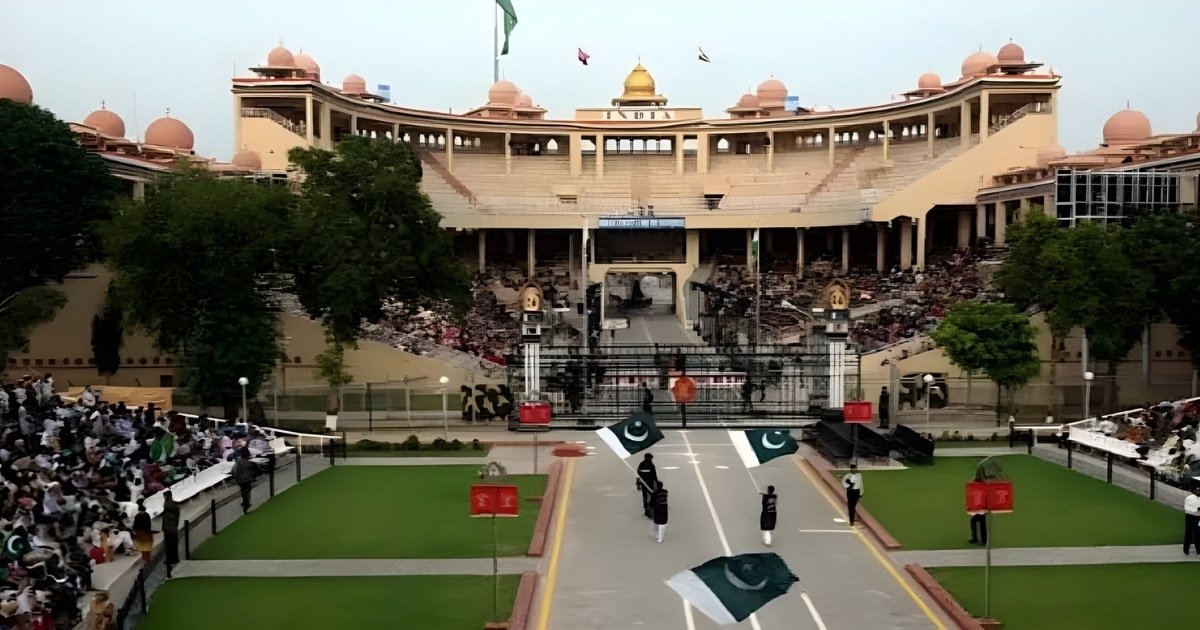




For decades, the Wagah Border has been defined by the aggressive precision of the “Beating Retreat”, a daily ritual of high-velocity kicks and thunderous chanting. However, on January 1, 2026, this iconic landmark underwent a profound transformation. Punjab Chief Minister Maryam Nawaz officially inaugurated the newly expanded Wagah Border Arena, signaling a shift in the site’s identity from a mere military checkpoint to a premier center for cultural tourism.
The Expansion: Space for the Masses
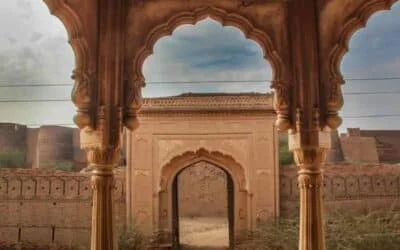
The most immediate change is the sheer scale of the venue. The arena’s seating capacity has been nearly tripled, jumping from 7,500 to 25,000 spectators. This upgrade ensures that the thousands of families and tourists who flock to the border daily no longer have to struggle for a glimpse of the ceremony. To crown this architectural feat, a new Alamgiri-style gateway was installed at Bab-e-Azadi, drawing inspiration from the historic grandeur of the Lahore Fort.
A Journey Through History
Beyond the seating, the redeveloped complex now houses the Pakistan Museum and a specialized Partition-Themed Park. This isn’t just a space for spectacle; it’s a living archive.
The museum will chronicle the national narrative from the early days of the Freedom Movement to the modern era.
The Theme Park will feature hauntingly beautiful models of 1947-era railway stations and displays of military equipment, allowing visitors to walk through the pivotal moments of the subcontinent’s history. There will also be a Martyrs’ Memorial. A somber and dignified space dedicated to those who have served at the frontier.
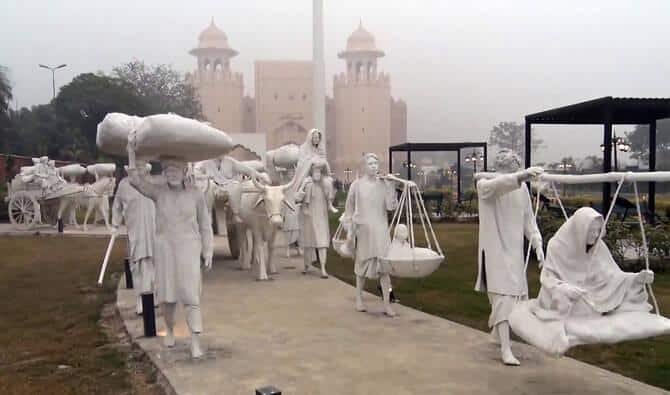
The New Museum at the Wagah Border.
Source: arabnews
The Tallest Pride
In a symbolic move that was widely reported across the region, the national flag at Wagah was raised to a staggering 139 meters (up from 115 meters). It now stands as the tallest flag in South Asia and the seventh tallest globally, visible from miles away as a beacon of the new 2026 vision.
More Than a Parade
With the addition of modern food courts, vast parking facilities, and a dedicated Wagah Heritage Corridor, a 13km tourism highway connecting the border directly to Lahore, the site is no longer just a 30-minute stopover. It has become a full-day destination where history, patriotism, and modern leisure converge. By repositioning Wagah as a “Cultural Hub,” Pakistan is inviting the world to look past the tension of the border and into the heart of its heritage.
Check out our latest video: