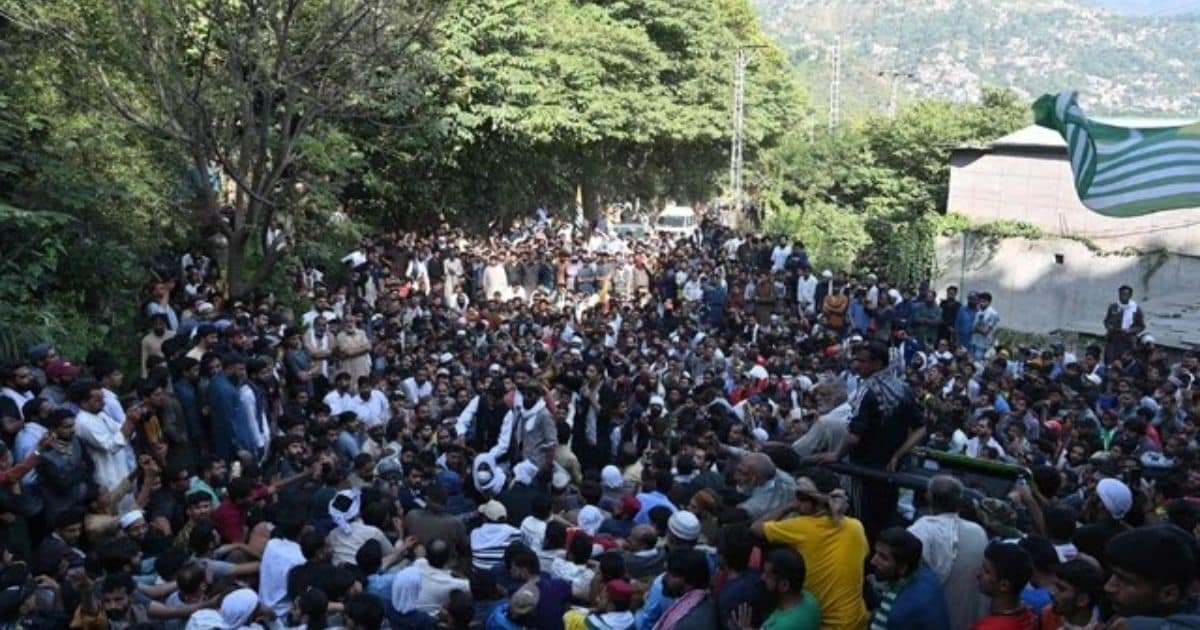





MUZAFFARABAD/ISLAMABAD — Azad Jammu & Kashmir (AJK) has been under a three-day strike and an extended communications blackout as protests led by the Joint Awami Action Committee (JAAC) turned deadly. At least nine people are reported dead — including three policemen — with scores injured in clashes. The AJK government invites talks and says most demands were accepted, but protesters accuse authorities of mishandling, delays, and silencing the public by cutting internet and mobile services.
Key Highlights
- Blackout: Landline, mobile, and internet services are restricted across key towns, hindering news, rescue, and family contact.
- Deaths & Injuries: Reports point to nine fatalities (Arab News/Tribune), including three policemen; government says 172 police and 50 civilians injured; JAAC claims higher civilian toll.
- Talks Reopened: AJK PM Chaudhry Anwarul Haq and federal ministers invite the JAAC back to dialogue; officials say “90% of demands accepted.”
- Core Disputes: Elite perks, 12 refugee seats, electricity tariffs, wheat subsidies, free health/education, and broader governance reforms.
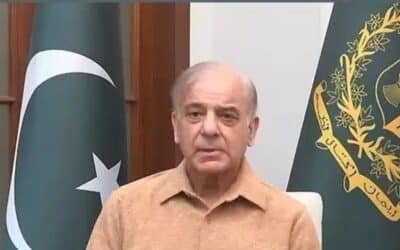
- PM’s Direction: Shehbaz Sharif urges peace, restraint by law enforcement, probe into violence, and an expanded negotiation committee.
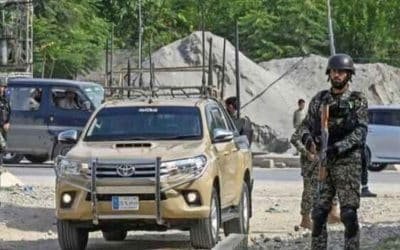
- On the Ground: Markets shut, roads blocked, schools repurposed for security housing; atmosphere tense in Muzaffarabad, Mirpur, Poonch, Neelum, Bhimber, Palandri.
What Happened
A wheel-jam and shutter-down strike called by the JAAC escalated after talks with AJK and federal officials broke down over elite privileges and reserved refugee seats. Violence flared in Dhirkot and other areas. Authorities and the JAAC trade blame for the bloodshed.
Officials insist a negotiated framework was close — with most points agreed — but say two items (refugee seats and cabinet size) require legislation. JAAC leaders counter that promised relief was delayed, quality of flour fell, electricity concessions were uneven, and older cases were not withdrawn as pledged.
You May Like To Read: Pakistan Condemns Israeli Attack on Gaza Aid Flotilla, Demands Release of Detained Activists
Communications Blackout: The Public’s Biggest Pain Point
The internet and mobile shutdown have amplified fear and confusion. Families struggle to reach loved ones. Journalists and medics face delays in verifying incidents and moving assistance. In crisis, timely information saves lives; the blackout has instead widened mistrust.
For a region living through protest and security operations, transparent, real-time communication is essential. Restoring services — even in phased, geo-fenced form — would help cool tensions and counter rumours.
Casualty Figures: Conflicting Claims
- Government/Media: Reports cite nine dead (including three policemen) and over 220 injured (police and civilians).
- JAAC: Claims 12 supporters killed and 200+ injured, many by gunfire.
A transparent, time-bound inquiry is needed to establish facts, fix responsibility, and prevent repeat incidents.
You May Like To Read: PML-N, PPP Rift Widens Over BISP and Cholistan Water Dispute
What the JAAC Wants
- End elite privileges; cut government perks and cabinet size.
- Revisit refugee seats; reduce external political influence in AJK.
- Cheaper electricity and wheat, with clear, enforceable terms.
- Free, uniform education and healthcare; staffing and 24/7 OPDs.
- Judicial and administrative reforms, anti-corruption measures.
- Local control over grid stations; action on hydropower dues and impacts.
- Jobs, youth loans, disability quotas, and fair local hiring.
Government Position
- Says most demands (≈90%) have been accepted in principle.
- Stresses that refugee seats and cabinet size need Assembly action.
- Invites JAAC to resume talks “from where they broke off.”
- Warns against violence; cites injuries to police and civilians.
The Big Picture: Governance and Trust
AJK’s crisis is not just about tariffs and seats. It is about trust.
- Perception of delay in implementing agreements has angered citizens.
- Heavy restrictions on communications fuel suspicion and undercut dialogue.
- Public services (flour quality, power supply, billing) are daily pain points; fixes must be visible and verifiable.
A steady path forward needs open networks, open books, and open talks — together.
You May Like To Read: Aleema Khan, Gandapur Clash: PTI Founder Calls for Restraint
What Needs to Happen Now (Practical Steps)
- Restore Communications: Reopen mobile and internet services immediately to curb all misinformation generated due to and during the information blackout.
- Independent Inquiry: A credible fact-finding commission with public reporting on casualties, causes, and command decisions.
- Time-Stamped Roadmap: Publish a joint, dated implementation plan for agreed items; weekly progress bulletins.
- Focused Legislation Track: Fast-track Assembly review of refugee seats and cabinet size, with public hearings.
Pakistan’s interest is peace, dignity, and lawful relief for the people of AJK. Dialogue, not disruption, delivers durable outcomes. A restored information flow, good-faith implementation, and a fair inquiry can pull the region back from the brink — while upholding citizens’ rights and public order.
You May Like To Read: 10 Terrorists Killed in CTD Operation in Quetta