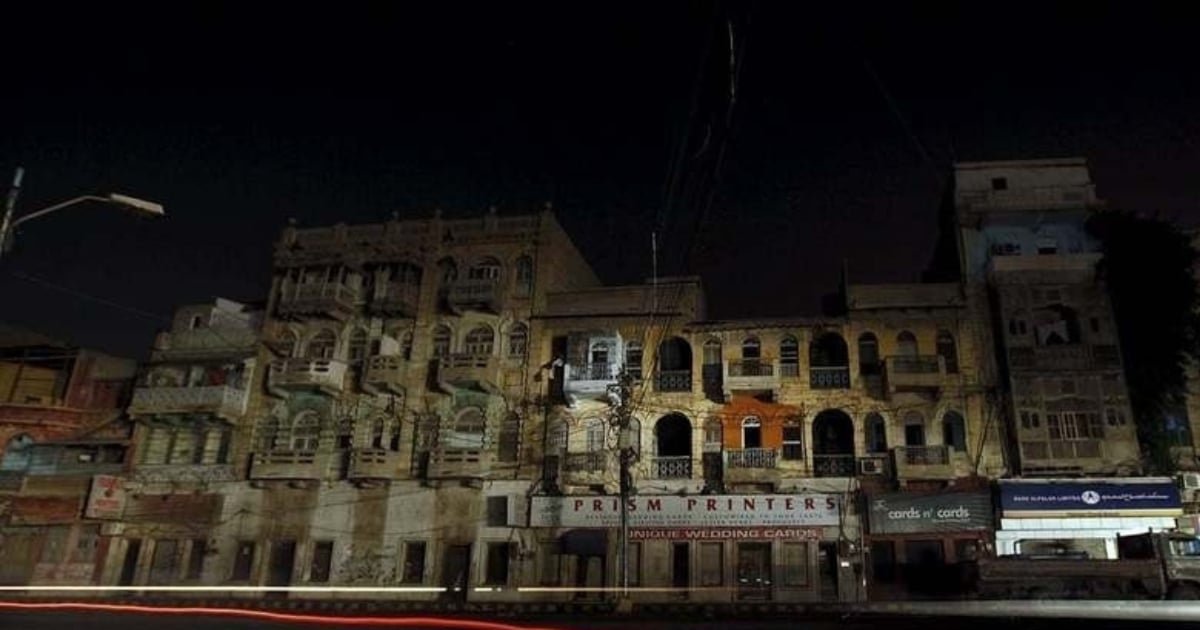



LAHORE (April 15, 2026) — A widening gap between energy supply and demand has triggered a wave of prolonged blackouts across Punjab, leaving urban and rural residents struggling with both power and gas shortages. The crisis, fueled by high fuel costs and technical failures, has forced distribution companies to implement “forced” load management, in some cases doubling the duration of daily outages.
Key Highlights
- LESCO reported an 820MW deficit on Tuesday, with demand significantly outstripping the available supply.
- Major cities are facing 8 hours of daily loadshedding, while rural areas are seeing up to 16 hours.
- Natural gas supply has been restricted to just 2 hours during mealtimes, leaving many households unable to cook.
- A rain-damaged pipeline in KP has removed 90MMCFD from the system, though repairs are nearing completion.
Unscheduled outages disrupt the province
The energy situation took a sharp turn for the worse earlier this week, as unannounced hourly power cuts began affecting residential and industrial sectors. In cities like Lahore, Faisalabad, and Multan, residents reported being unable to manage basic daily tasks due to the frequency of the blackouts. Officials admit that the reliance on expensive furnace oil and the limited gas supply to power plants have made it impossible to maintain a continuous supply.
Lahore is facing 6 hours (or more) of load shedding – Gas (RLNG) is unavailable while FO is short (and expensive).
Abhi to ACs ka laod bhi nahi aya
— Ali khizar (@AliKhizar) April 13, 2026
Gas shortages impact mealtimes
Parallel to the electricity crisis, the natural gas supply has become increasingly unreliable. In many parts of Lahore and Gujranwala, the pressure has dropped to near-zero levels. Although the Petroleum Division claims to be providing eight hours of gas daily, consumers report that the actual window of usable pressure during breakfast and dinner has shrunk to just two hours, particularly in “tail-end” geographic areas.
Pipeline repairs offer slight hope
Authorities are working to bring 90 million cubic feet per day (MMCFD) of gas back into the national grid by Wednesday. This supply was lost last week when heavy rains damaged a major pipeline in Khyber Pakhtunkhwa. Once this is restored, officials hope to stabilize the pressure for domestic consumers, though the overall electricity shortfall remains a larger structural challenge.
Industrial and rural sectors hardest hit
The disparity between urban and rural areas remains a major point of concern. While urban centers like Sialkot and Sahiwal are facing 8-hour cuts, rural farming communities are bearing the brunt of the crisis with blackouts lasting up to 16 hours. This has raised concerns about the impact on agricultural productivity during the high-demand summer season.
You May Like To Read: Government announces 2 hours daily loadshedding to control rising electricity costs
Check out our latest video: