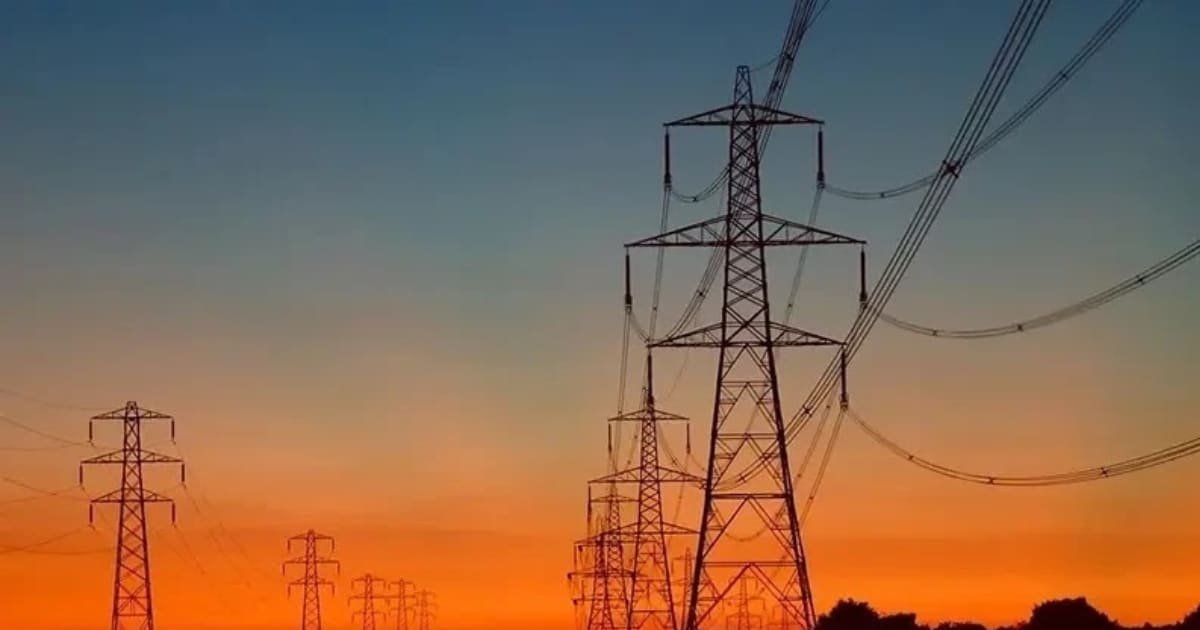


ISLAMABAD (April 14, 2026) — The federal government has formally introduced a daily loadshedding schedule of more than two hours during peak times to avoid a massive spike in electricity bills. The decision comes as Pakistan faces severe fuel constraints due to the suspension of international gas imports.
Key Highlights
- Power supply will be suspended for approximately 2.25 hours daily between 5:00 PM and 1:00 AM.
- Karachi (K-Electric) and Hyderabad (Hesco) are excluded from this plan due to cheaper local power sources in the south.
- Attacks on gas fields in Qatar have led to a “force majeure,” halting liquefied natural gas (LNG) supplies to Pakistan.
- The measure aims to prevent a potential price hike of Rs 5 to Rs 6 per unit.
Strategic load management to protect consumers
The Power Division clarified that the system is technically capable of meeting total demand, but doing so would require burning expensive furnace oil. By implementing this “Peak Relief Strategy,” the government hopes to limit the inevitable price increase to around Rs 1.5 per unit instead of a much sharper spike.
— MOE- Power Division, Government of Pakistan (@MoWP15) April 14, 2026
Impact of global conflict on local energy
The current energy crisis is a direct result of the ongoing US-Israel conflict with Iran, which has disrupted regional energy corridors. Qatar, Pakistan’s primary LNG supplier, has been forced to suspend shipments. To compensate, the government has diverted 80 million cubic feet per day (mmcfd) of local gas to power plants, which has already helped reduce the need for even longer blackouts.
Transparent schedules and no unscheduled outages
Power distribution companies (DISCOs) have been strictly directed to provide feeder-wise outage schedules to all consumers. The government has emphasized that no unscheduled loadshedding will be permitted. In the event of local technical faults, concerned offices are required to keep the public informed immediately.
— MOE- Power Division, Government of Pakistan (@MoWP15) April 14, 2026
Exemptions for the South
K-Electric and Hesco have been exempted from this specific plan because they do not rely heavily on furnace oil-fired plants. These regions benefit from an abundant supply of electricity generated from wind, solar, and other cost-effective sources located in southern Pakistan.
Call for national cooperation
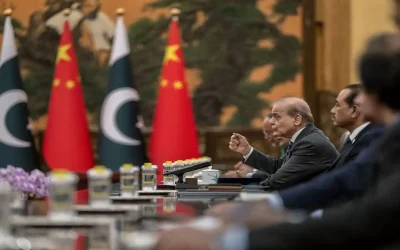
The Power Division noted that while the situation is being monitored directly by Prime Minister Shehbaz Sharif, public cooperation is essential. The government is encouraging the timely closure of commercial markets and coordinated federal-provincial efforts to reduce overall demand, which could further stabilize electricity costs during these challenging international conditions.
You May Like To Read: Government and Google launch initiative to equip youth with AI skills
Check out our latest video: