



A Kaleidoscope of Colors, Cultures, and Community
In a world where differences often divide us, festivals serve as a beautiful reminder of our shared humanity. Through food, music, and joy, these cultural celebrations bring us together, transcending borders and reminding us of simpler times spent enjoying the sun and sharing stories.
In Pakistan—a vibrant tapestry of ethnicities, languages, and landscapes—some festivals go beyond mere rituals; they create vital connections. Among them, Basant, Nowruz, and Chilim Jusht stand out. Each is rooted in unique traditions, yet they all celebrate spring, renewal, and community spirit.
Source: Musafir
Imagine experiencing these festivals not as outsiders but as passionate lovers of culture. If Pakistan were a painting, it would burst with color—each festival adding its distinct hue to a lively canvas. Basant, with its kite-flying festivities, brings together people from all walks of life, breaking down social divides through a spirit of togetherness.
These three spring festivals aren’t just seasonal markers; they embody expressions of identity and unity in a richly diverse country. They celebrate life’s return and the joy of coming together, reflecting our universal longing for renewal and connection. Embrace the magic of Basant, Nowruz, and Chilim Jusht, and witness the strong bonds they create in Pakistan!
Basant: Kites, Joy, and Spring in the Sky
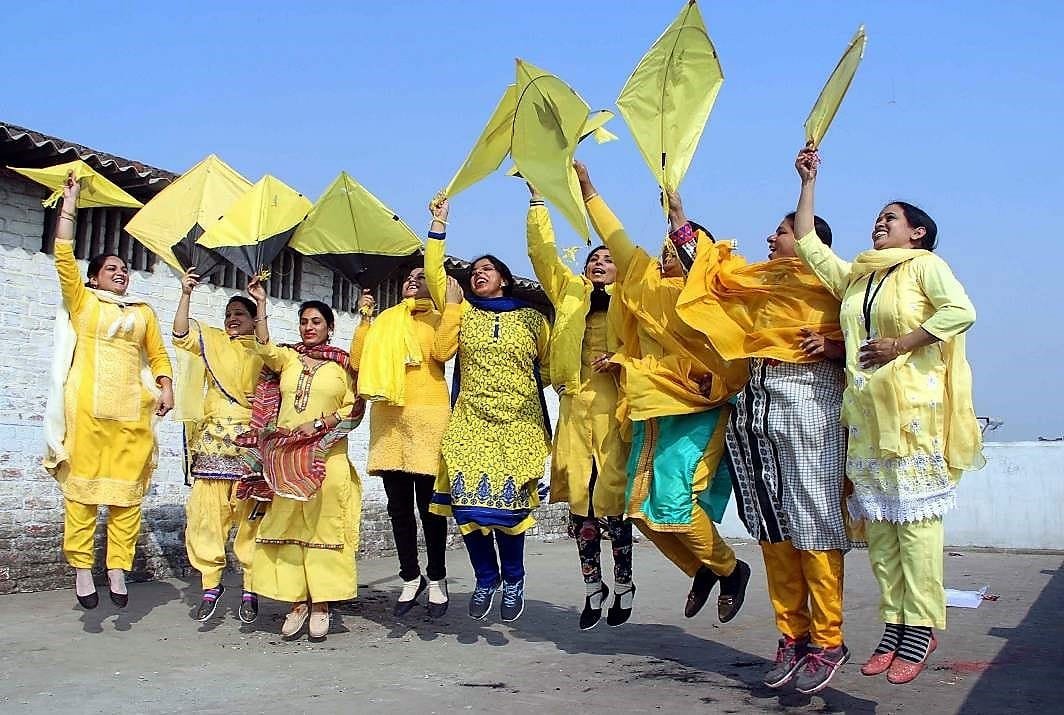
Basant, once a highlight of Lahore’s spring calendar, is a festival that filled the sky with joy and unity. Traditionally celebrated in February, it marks the arrival of spring, welcoming warmth and creating a vibrant community spirit. With colorful kites soaring high, rooftops become lively party zones filled with music, laughter, and delicious snacks like samosas and jalebis.
Rooted in Sufi tradition and honoring Hazrat Shah Hussain, Basant transformed into a secular celebration embraced by everyone, blurring class lines and bringing families together. However, in recent years, safety concerns and bans due to injuries from kite strings have grounded this joyful event.
Source: PTF
Yet, memories of Basant still flutter like kites, and there’s hope for its revival through safer regulations and community efforts. For many in Punjab, especially in Lahore, Basant remains a cherished reminder of the joy and cultural heritage that once filled the skies with yellow. There are calls to bring it back—not just for nostalgia, but for the community spirit it once nurtured.
Nowruz: The Persian New Year Bridging Gilgit, Hunza, Chitral, and Our Mountains
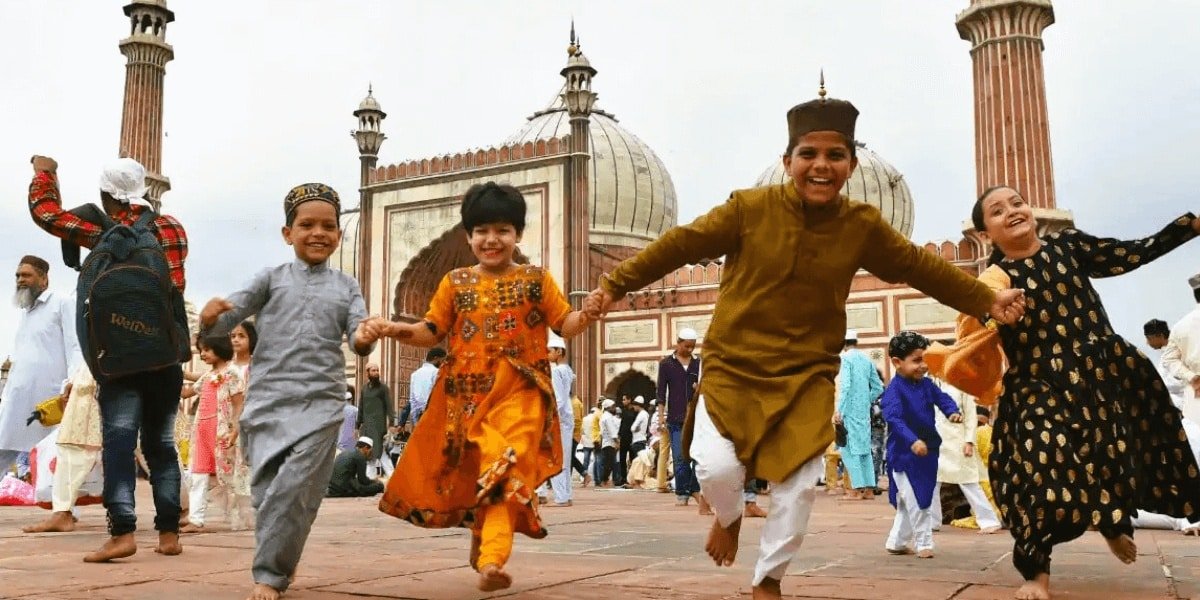
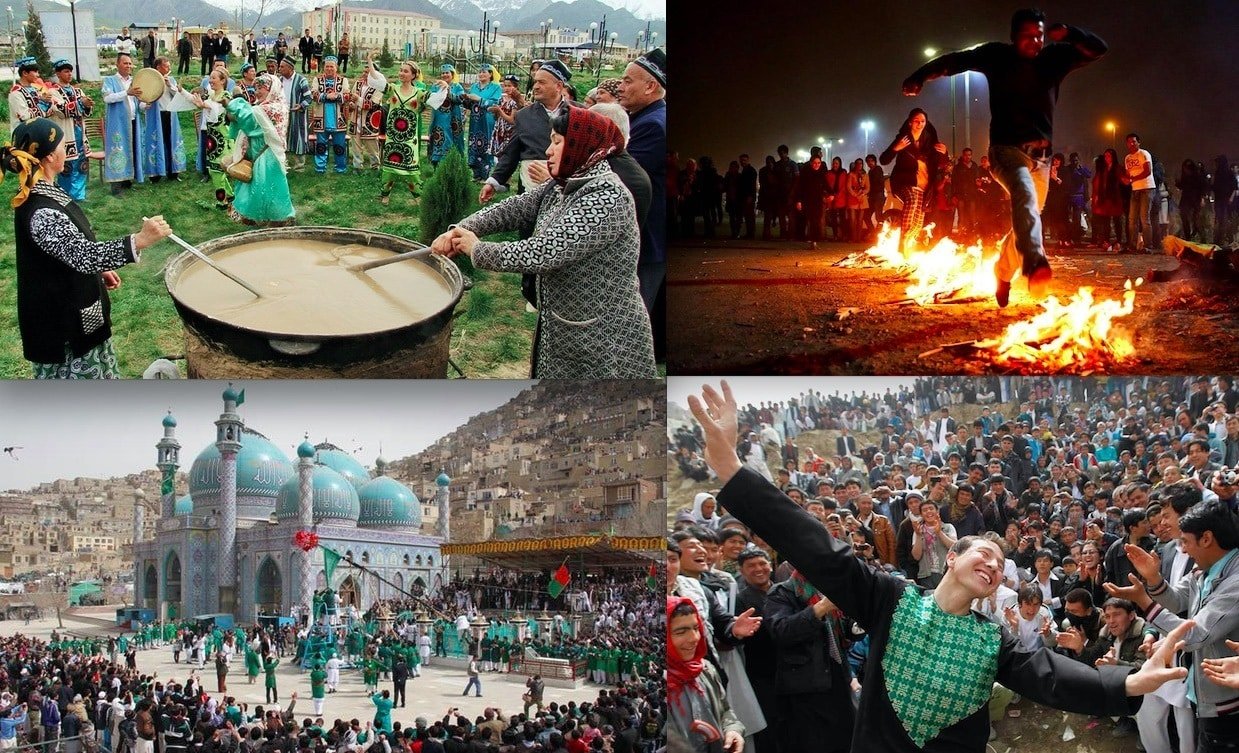
Nowruz, meaning “new day,” is the Persian New Year celebrated on March 21. This festival marks the arrival of spring and the moment when day and night are equal. It represents rebirth, new beginnings, and fresh starts. In Pakistan, it is mainly celebrated by the Ismaili and Wakhi communities and has been a cherished tradition for over 1,500 years.
In the stunning valleys of Gilgit-Baltistan and Chitral, Nowruz brings joy. Villages come alive with local dances, shared meals, and communal prayers. People clean their homes, wear new clothes, and plant seeds, symbolizing hope and growth. Special dishes like Diram Phitti are prepared, and folk dances like the Alghani and Rupiyo fill the air with music.
For the Ismaili community, Nowruz carries deep spiritual meaning. It is a time for reflection and unity, fostering connections among families and generations. The celebrations create a strong sense of belonging and identity.
You May Like To Read: Remembering Amjad Islam Amjad: A Voice That Still Echoes
Source: PakistanToday
Nowruz also connects people in Pakistan to a broader cultural community that includes Iran, Afghanistan, Tajikistan, and Azerbaijan. It reminds us that culture can bridge gaps, even where borders divide us. Celebrating Nowruz is not just about welcoming spring; it’s about honoring a rich shared heritage passed down through the years.
Chilim Jusht: Celebrating the Arrival of Spring in Kalasha
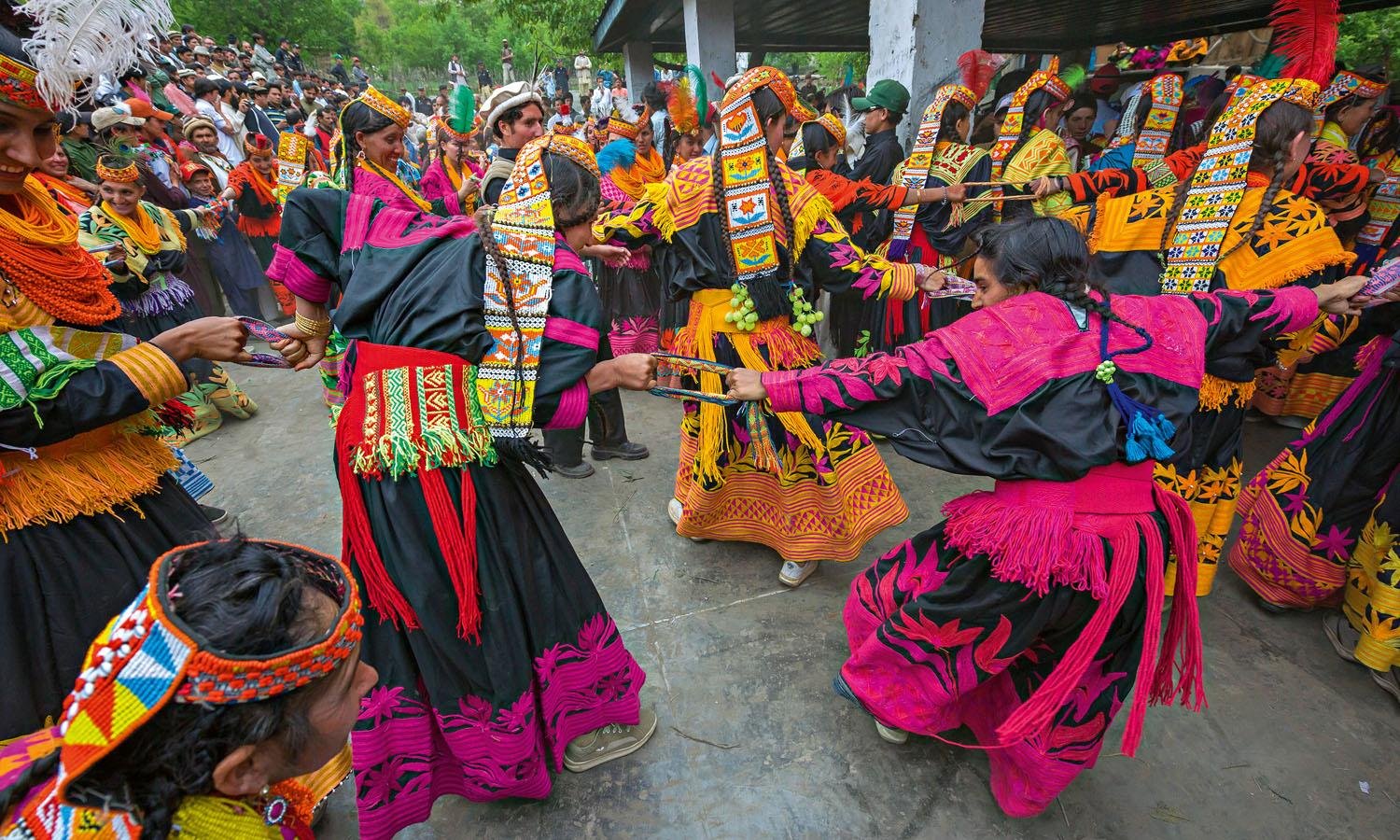
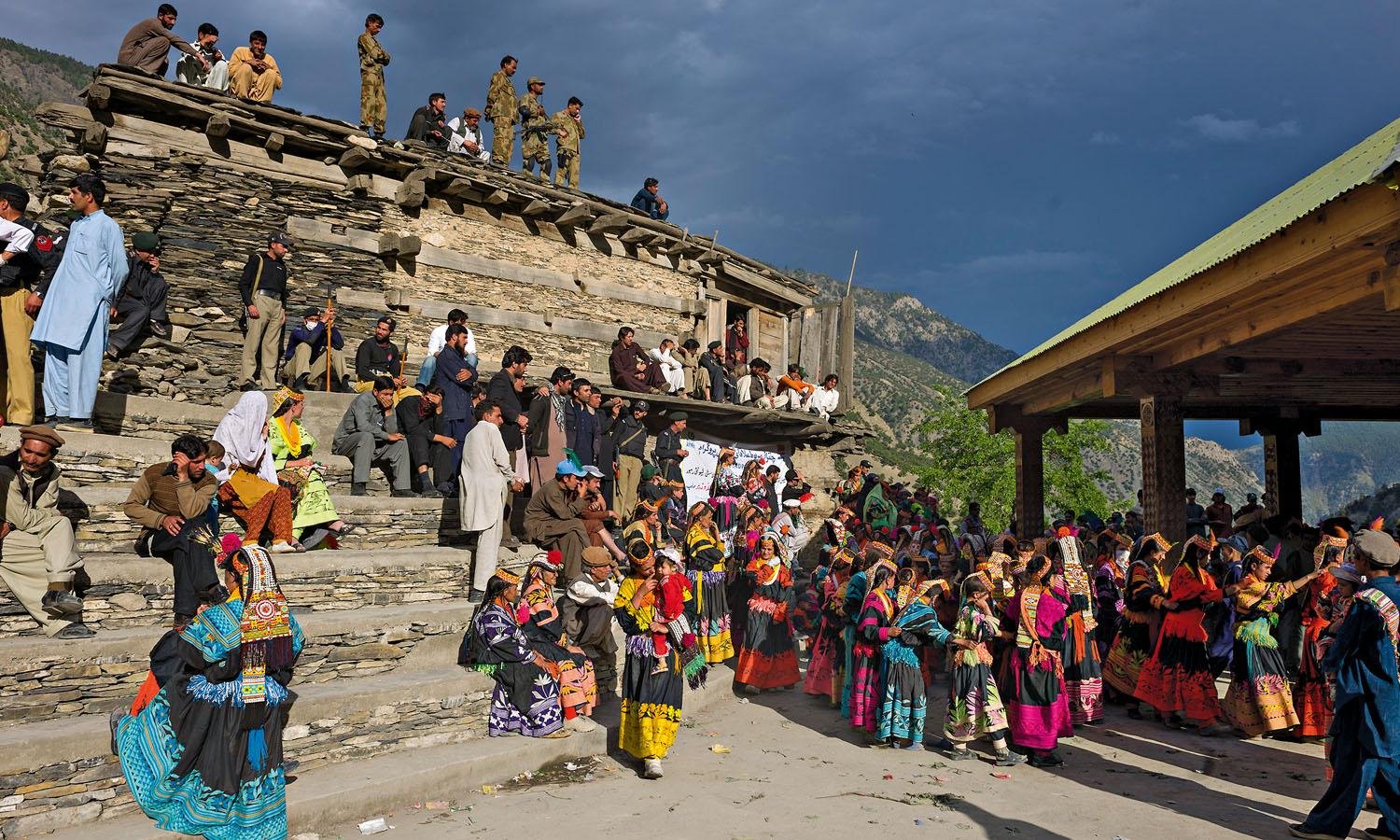
Further west, in the beautiful valleys of Kalash—particularly in the remote areas of Bumburet, Rumbur, and Birir—the Kalasha tribe joyfully celebrates spring with Chilim Jusht, also known as the Joshi Festival. This vibrant celebration takes place in mid-May, where Kalasha women wear colorful, beaded outfits and striking headpieces, while men dance to cherished folk music.
Source: glm
Chilim Jusht is inclusive, welcoming tourists, locals, and scholars to join in. The festival reflects the resilience of the Kalasha people, who proudly assert their cultural heritage and identity. This year, as in previous years, the festivities begin with purification rituals, during which women prepare special dairy dishes and fermented drinks.
You May Like To Read: A City That Sleeps, Then Never Wakes: Karachi’s Building Collapse Tragedy
Dressed in traditional black robes adorned with colorful embroidery, the women captivate visitors, while the highlight of the celebration is the captivating dance circles. The Kalasha invite outsiders to observe respectfully, and many attend each year, eager to appreciate this rich culture.
Source: glm
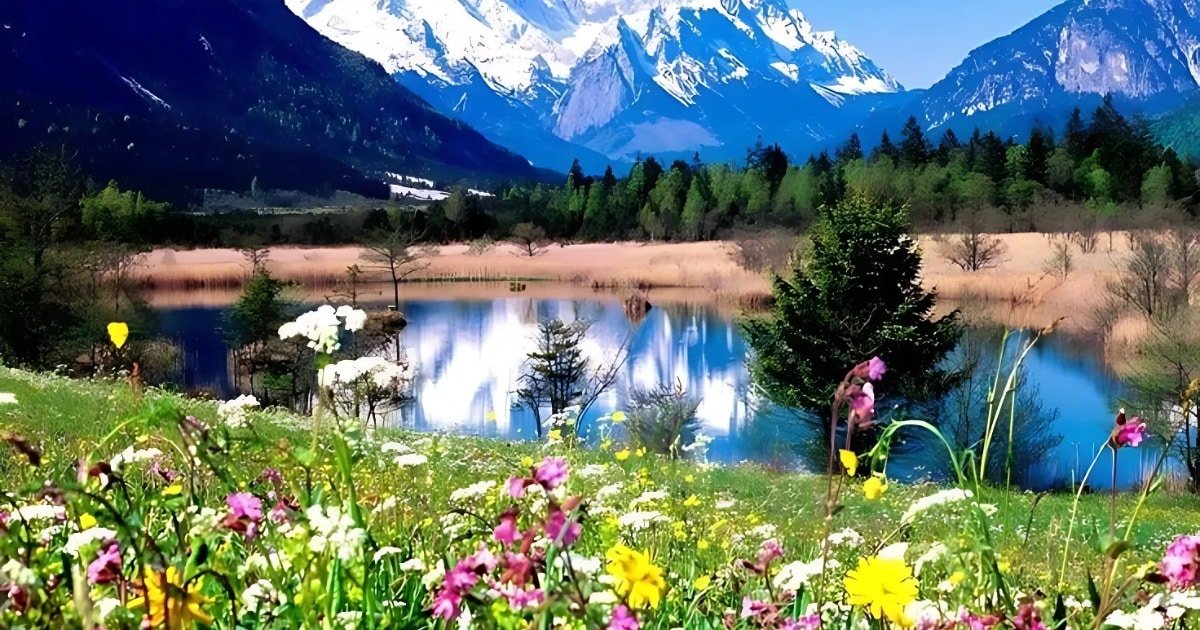
Among stunning valleys and snow-capped mountains, these celebrations embody the spirit of community, renewal, and the vibrant cultural heritage found in Pakistan.
Three Festivals, One Message: Celebrate Humanity
Basant, Nowruz, and Chilim Jusht may seem like different festivals—Punjabi, Persian, and tribal—but they share important themes:
– They celebrate spring, symbolizing rebirth and joy.
– They bring communities together, breaking down barriers.
– They preserve cultural heritage.
– They tell stories of identity and hope.
In Pakistan, these festivals highlight our diverse identity, ranging from Lahore to Hunza and the valleys of Kalash. They remind us that:
– Spring is a time for renewal.
– Celebration can foster healing.
– Culture unites us even in politically divided times.
Basant is known for its colorful kites, Nowruz celebrates nature spiritually, and Chilim Jusht is a unique tribal event. Despite their differences, they all promote community joy and the harmony of diverse cultures.
The Importance of Keeping Traditions Alive
In today’s fast-paced world, globalization can dilute cultural diversity. Festivals like Basant, Nowruz, and Chilim Jusht remind us of the importance of community and tradition.
Cultural festivals help promote unity and celebrate our shared identity. To preserve our heritage, we should actively participate in these events and engage with various traditions. Culture is something we create and pass on.
Reviving Basant safely, supporting Kalasha festivals, and encouraging celebrations of Nowruz are vital steps. We should experience culture within our communities, not just in museums.

Source: HMA
Celebrations for All: The Way Forward
Basant, Nowruz, and Chilim Jusht are vibrant festivals representing Pakistan’s spirit. They remind us of shared values and inspire hope for unity. As spring approaches, I encourage you to not only mark these festivals on your calendar but to participate actively.
You May Like To Read: The High-Tech Programme Transforming Punjab’s Crime Scene
We can promote our cultural treasures by:
– Supporting local efforts to revive festivals like Basant.
– Funding minority festivals like Chilim Jusht.
– Teaching the younger generations about our diverse culture.
– Encouraging tourism that benefits local communities.
These celebrations are essential to our identity and help change perceptions of Pakistan. They remind us that joy is multiplied when shared, showing that we can celebrate together despite our differences.