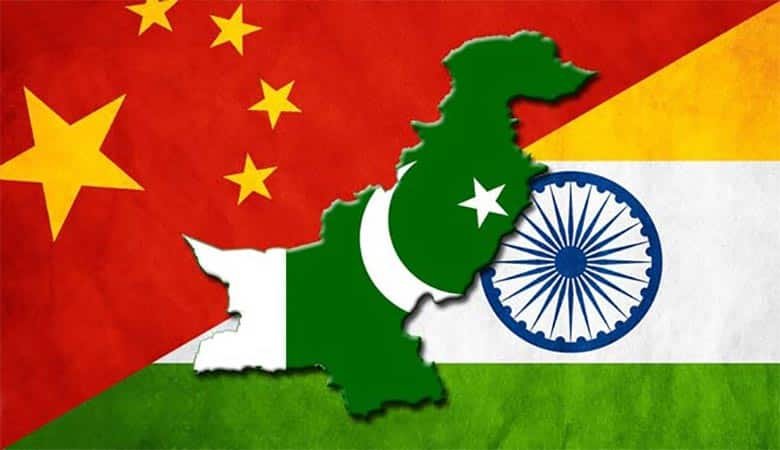




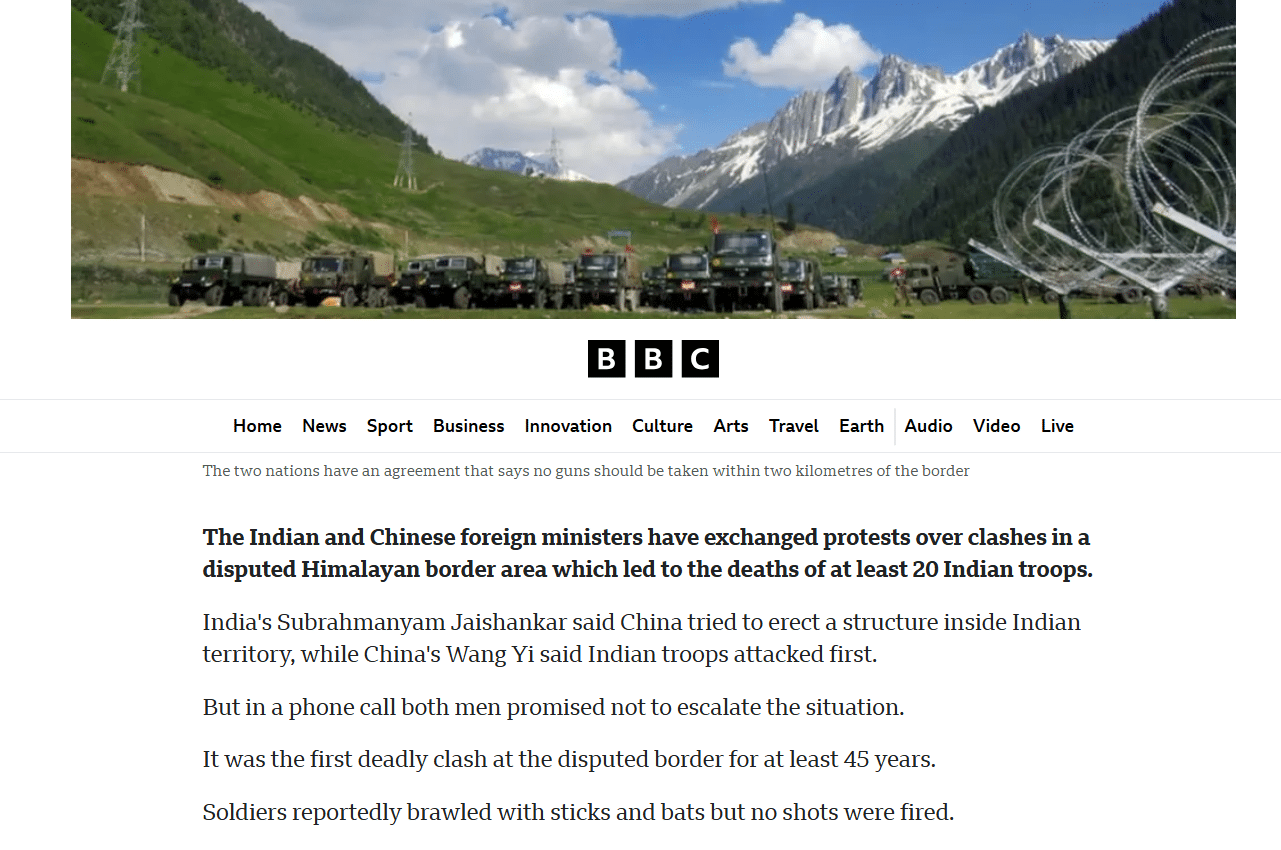
Both China and India have a decades-old territorial dispute, with the 1962 war concerning the region of Aksai Chin. The conflicts over the territory of Arunachal Pradesh persist, with China continuing to claim it as its own. Recent confrontations (e.g., in Ladakh in 2020) emphasized that the two Asian giants are still in conflict over the Line of Actual Control. These Sino-India tensions carry strategic dividends for Pakistan. The Pakistan-China partnership has become even closer since India’s military has been stretched along the northern border, enabling Islamabad to establish its strategic depth. Practically, Pakistan has found military and diplomatic advantages in its relationship with China as an all-weather ally, whereby projects such as the China-Pakistan Economic Corridor (CPEC) and cooperation in blocs such as the SCO are also flourishing even within the vicinity of regional tensions.
Source: BBC
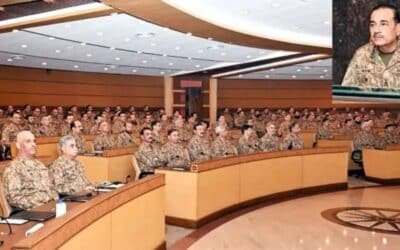
China and Pakistan frequently reiterate that they are “all-weather strategic cooperative partners” and “iron brothers”. Chinese Foreign Ministry spokespersons have hailed a “unique and profound friendship” between the two armies, and official statements declare Pakistan an “all-weather strategic cooperative partner” of China. An illustration of this relationship is the participation of a People’s Liberation Army Honor Guard in the Pakistani parade in 2024. The fact that Pakistan is militarily allied with China (through joint military training, arms sales, and intelligence exchange) suggests that India will face a two-front challenge. In short, Pakistan gains a military advantage because China helps share the deterrence burden against India, which effectively enhances Pakistan’s security.
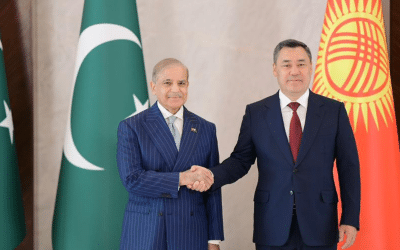
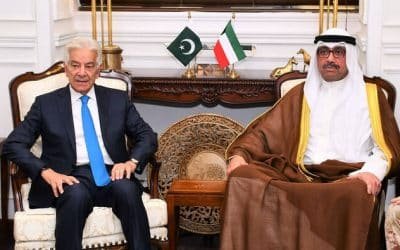
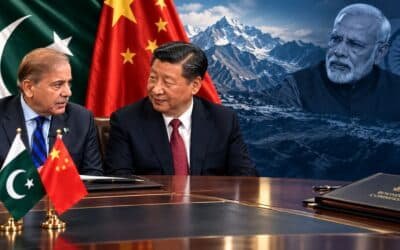
China and Pakistan are two nations that have a unified voice on the global platform. The partnership between China and Pakistan is repeatedly referred to as strategic, rock-solid, and a cornerstone of the foreign policy of each state in high-level agreements. In a 2024 joint statement, both parties emphasized that they have a relationship of “special significance” and pledged to increase cooperation in every domain. This iron-clad friendship guarantees that China shields Pakistan in international forums.

Source: MOFA
Beijing also encourages regional peace publicly: in 2019, China urged India and Pakistan to ease relations and stabilize their borders. Pakistan, in the meantime, gaining Chinese support in the SCO (hosting summits and chairing counter-terror meetings), enhances its role in this organization. Pakistan, according to a Chinese analyst, plays a central role in the SCO anti‑terror network (the RATS) and was described as a “key node” of East-West connectivity. Practically, Pakistan can leverage Chinese influence in the UN, SCO, and Belt and Road discussions to counterbalance India. The two allies also support each other’s initiatives; Islamabad “highly commends” China’s Belt and Road and Global Security activities, and Beijing praises Pakistan’s development efforts.
The Sino-Indian tensions have not affected CPEC and other China-Pakistan projects and continue to forge ahead. Both sides reemphasized CPEC as an exemplary project of high-quality Belt and Road cooperation during the 2024 summit in Islamabad, transforming it into “growth, livelihood, innovation, green, and open corridors”. This suggests that Islamabad continues to be a route for attracting Chinese investment in energy, infrastructure, and technology, bolstering its economy despite rising regional tensions.

Source: MOFA
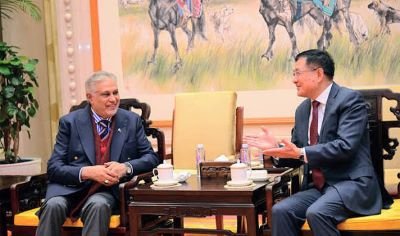
China supports the economy of Pakistan immensely: Beijing grants debt relief, loans, and an investment package to stabilize Pakistan’s finances. In the meantime, analysts observe that CPEC is not only serving the purpose of enhancing the infrastructure of Pakistan, but also connecting Central Asia and the Indian Ocean, something that is cherished in the SCO communiques. Briefly, Pakistan serves as a hub for regional development as China seeks to internationalize its CPEC financing. Official Chinese sources emphasize this economic relationship: Pakistan can benefit from the “close economic and financial cooperation” with China, and Beijing is willing to help Islamabad become a more developed and stable country.
India-China border disputes have given Pakistan leverage. Militarily, Islamabad benefits from China’s support, which offsets the Indian northern front and strengthens Pakistan’s deterrence. Politically, the two allies emphasize their strong friendship and continue coordinating through institutions like the SCO. Economically, China remains dedicated to the China-Pakistan Economic Corridor, supporting Pakistan’s development. It is also strategically important, as both capitals underline in their official statements: Beijing sees Pakistan as a top international policy priority and aims for new and greater achievements. The China-Pakistan alliance in a unstable region provides Islamabad with significant military support, diplomatic protection, and economic assistance whenever Indian border aggression occurs.