As the border conflict enters a more volatile phase, China has stepped in with an “urgent” diplomatic overture. On Monday, March 16, 2026, Chinese Foreign Ministry spokesperson Lin Jian emphasized that both nations must return to the negotiating table to prevent the “expansion of the war,” which has already begun to impact civilian populations on both sides.
China’s Mediation Efforts
Beijing, which maintains significant economic interests in both countries (including CPEC and mining projects in Afghanistan), is increasingly worried about regional instability.
- Wang Yi’s Call: Chinese Foreign Minister Wang Yi reportedly held a high-stakes phone call with Afghan counterpart Amir Khan Muttaqi, urging “consultation, not force.”
- Beijing’s Goal: China seeks to achieve reconciliation to protect its regional investments and prevent the conflict from emboldening extremist groups that could threaten its borders.
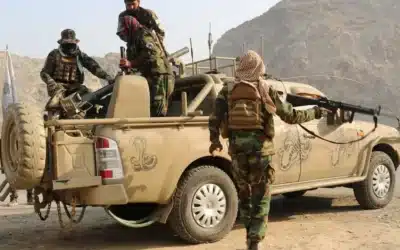
🇵🇰🇦🇫⚡– Pakistan is pursuing its war against the Afghan Taliban and its allies at the border, targeting checkpoints at the border and bases deep inside Afghan territory. pic.twitter.com/IPh2g8yGXu
— ALERT X (@ALERTX360) March 15, 2026
Military Escalation: Guided Missiles & Cross-Border Strikes
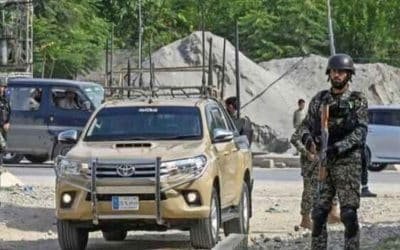
Pakistan’s Operation Ghadb-ul-Haq (Wrath of Truth) has shifted from defensive posture to targeted offensive strikes:
- Guided Missiles: For the first time in this campaign, security sources confirmed the use of guided missiles to neutralize Afghan Taliban posts in the Bajaur sector.
- Kandahar Strike: Overnight on Sunday, Pakistan conducted precision strikes deep into Afghanistan’s Kandahar province, reportedly destroying an equipment storage facility and technical support infrastructure.
- Retaliatory Fire: Information Minister Attaullah Tarar confirmed that the Afghan Taliban retaliated by “deliberately targeting” civilians in Bajaur with artillery, resulting in four deaths.
Unrest in Bannu
While the border remains hot, the internal security situation in Bannu has seen a sharp decline:
- Targeted Killings: Two individuals—Malik Nabiullah and Shazeb Khan—were abducted and killed in separate incidents.
- Foiled Attack: Police at the Fatah Khel post used thermal cameras to detect and thwart a militant raid, forcing the attackers to flee under retaliatory fire.
You May Like To Read: Guided Missiles Neutralize Afghan Taliban Border Posts, Operation Ghadb-ul-Haq
Impact Assessment for Residents
Though the kinetic conflict is concentrated in Khyber Pakhtunkhwa (KP) and Balochistan, the national “Austerity and Security” state is deeply felt in cities.
- High Alert: Major urban centers, including Rawalpindi and Faisalabad, remain under high surveillance due to the Afghan Taliban drone threat reported on March 13.
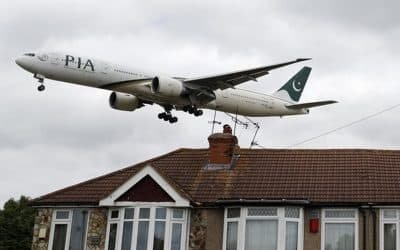
- Travel Restrictions: The closure of western airspace and the ongoing border war continue to disrupt flight operations.
- Eid Preparations: As the extended Eid break (March 20–23) approaches, security at public gatherings will be significantly tighter than in previous years.
Strategic Outlook: The Diplomatic Window
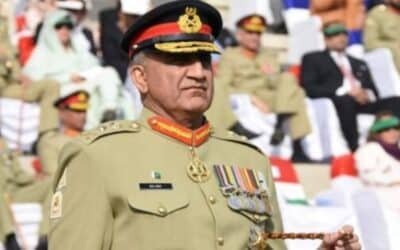
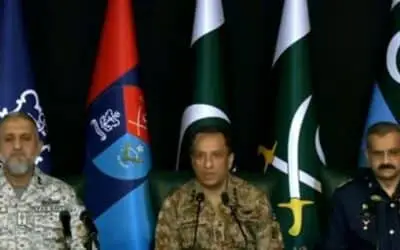
China’s offer of mediation provides a small window for de-escalation. However, Pakistan’s military leadership has been clear: there will be no retreat until the “fundamental concerns” regarding TTP sanctuaries on Afghan soil are addressed.
| Actor | Current Stance |
| Pakistan | Continuing “Ghadb-ul-Haq” until TTP threat is neutralized. |
| Afghan Taliban | Denying TTP presence; targeting Pakistani border civilians. |
| China | Actively mediating; pushing for a return to the “negotiating table.” |
| India | Accused by Pakistan of sponsoring “Fitna al-Khwarij” proxies. |
Check out our latest video: