



How Reflecting on the Past Can Help Address Climate Threats in Pakistan
Pakistan faces serious challenges from climate change, including extreme heat, flooding, and unpredictable rainfall, highlighting the need for resilient infrastructure. Rapidly growing cities like Karachi, Lahore, and Islamabad heavily rely on air conditioning and concrete, resulting in high energy usage and greenhouse gas emissions, which create “heat islands.”
Traditional architecture in places like Chiniot, Thatta, and Cholistan keeps homes cool. They do this without modern cooling systems. Research from the University of Engineering and Technology in Lahore indicates that courtyard houses benefit from enhanced natural light and airflow. They have thick walls and shaded areas. Utilizing these elements in modern designs can enhance comfort and improve energy efficiency.

Source: Lecole
Traditional Architecture: Reviving Timeless Wisdom
Long before electricity and air conditioning were available, people in Pakistan designed homes to suit their local climate. They used innovative techniques. These methods combined practicality, culture, and sustainability. This allowed them to maintain comfortable living spaces. Traditional buildings in Pakistan have used affordable, eco-friendly methods for centuries. They adapted to their environment. This shows how communities can thrive while protecting the planet.
Source: pinterest
Chiniot havelis — carving shade, air, and identity
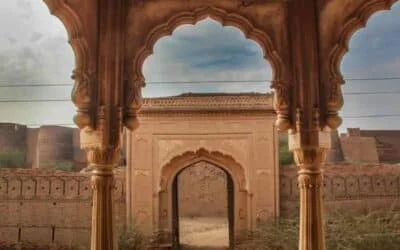
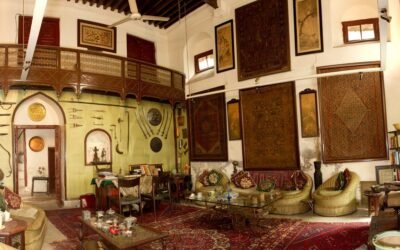
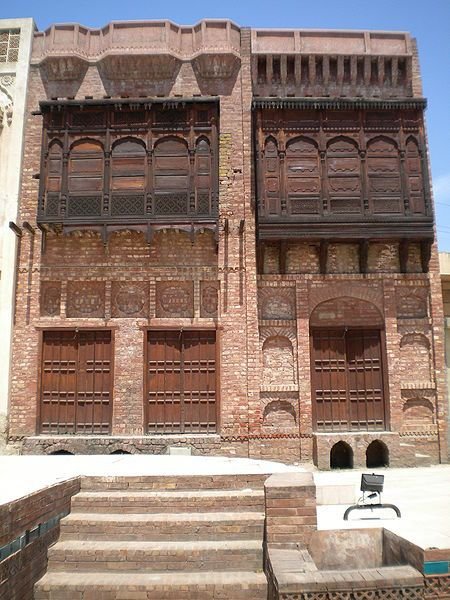
The buildings in this area have thick brick walls. They feature shaded courtyards and carved wooden windows. These designs keep interiors cool. They also block harsh sunlight. A great example is the Omar Hayat Mahal in Chiniot. This early 20th-century building shows exceptional woodwork. It has screened balconies and open inner courtyards. The architecture faces inward. Well-placed wooden screens enhance airflow and reduce brightness. Research on traditional South Asian homes highlights the benefits of courtyards. They provide natural light and help maintain comfortable temperatures. These insights are valuable for modern small home design.

Source: DailyTimes
Thatta–Hyderabad wind catchers — harvesting the breeze
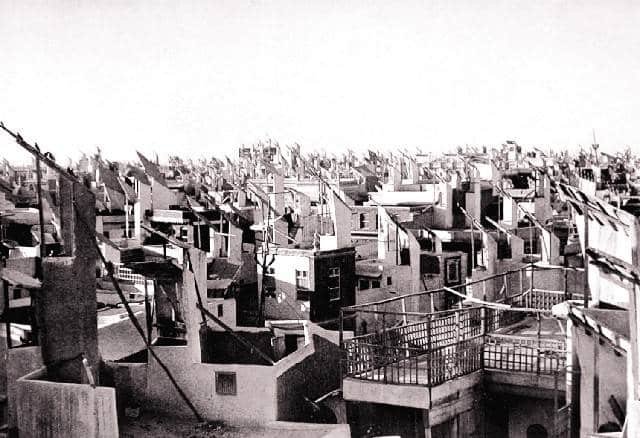
In the historic towns of Sindh, you can find interesting structures called badgīr, or wind catchers. They capture sea breezes and bring cool air into homes. This helps keep the indoors comfortable without electricity. In Thatta, tall wooden houses are topped with these wind catchers. They have been used for generations. Before electric fans, people relied on these clever towers. They provided refreshing breezes and showcased a simple way to stay cool.
Source: The Friday Times
Cholistan earthen homes — thick walls, cool cores
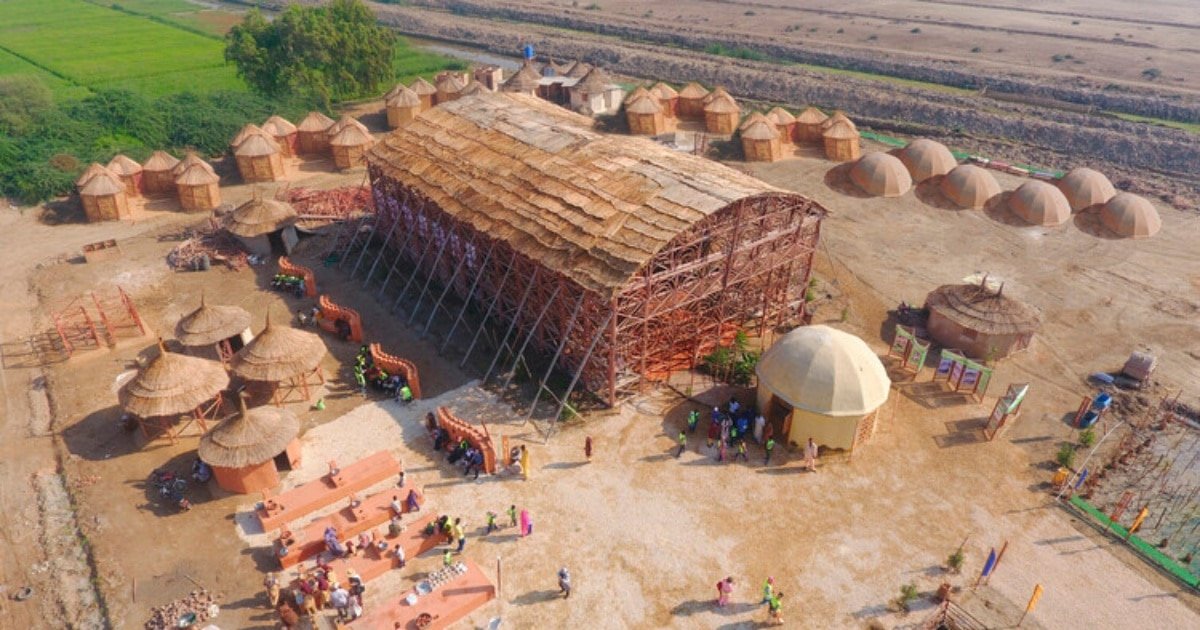
In the Cholistan desert, unique homes are built from local mud and wood, featuring thick earthen walls and thatched roofs. These materials help keep interiors cool in the summer and warm at night, making them effective for temperature regulation. This sustainable building approach demonstrates how communities can adapt to their environment by utilizing available resources.
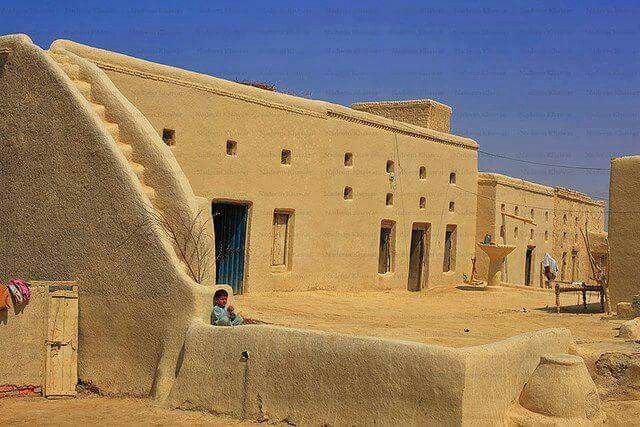
Source: Pinterest
Design takeaways you can use today:
“Chiniot Lite” courtyard home (35’×65’ plot)
- L-shaped plan around a 3.2 m courtyard; 2.1 m verandah on the south.
- Perforated screen corridor to bedrooms; clerestory vents above stairwell for stack.
- Wall spec: 9” brick + 2” ventilated cavity + lime plaster (outside), gypsum/lime inside.
“Thatta Tower” roof-scoop kit (retrofit)
- A prefab cowl facing prevailing wind, feeding a 0.6×0.6 m shaft to the central lobby; leeward louver exhaust.
- Integrate evaporative pads at the cowl throat for peak-heat days in hot-dry zones.
“Cholistan Hybrid” rural core
- Bamboo frame on 600 mm raised lime-stabilized plinth; earthen infill panels; overhanging thatch/CGI roof with ventilated ridge.
- Shaded work court + rain platform (for water harvesting). This mirrors zero-carbon prototypes scaled in flood-hit Sindh.
Heritage to Modernity: Legal & Scalable Checklist
- Envelope & Glazing: Follow ECBC-2023 (NEECA) guidelines for wall insulation, solar heat gain, and air-tightness in your design documents and bills of quantities.
- Materials: Utilize local materials such as brick, lime, and bamboo to reduce carbon emissions and adhere to traditional building practices in Pakistan. Thick walls and good ventilation can reduce the need for cooling in hot, dry climates.
- Ventilation Strategy: Incorporate features like courtyard ventilation, wind catchers, and nighttime cooling. Utilize airflow calculations and pressure-controlled vents to ensure a steady supply of fresh air.
These methods require no electricity, release no harmful gases into the air, and are well-suited to the local weather conditions.
Modern Integration: Adapting Old Wisdom for Today
Urban planners in Karachi, Lahore, and Islamabad can improve airflow in their designs. This helps combat the urban heat island effect. In flood-prone Sindh and South Punjab, traditional mud-brick homes are affordable and resilient. This also reduces dependency on imports. By adding solar panels and green roofs, we can enhance air circulation. Traditional techniques, such as wind catchers, can reduce the need for air conditioning. These strategies make housing projects cost-effective. They also reduce carbon footprints and promote healthier living. Sustainable development requires a blend of traditional methods and innovations. Solar energy and rainwater harvesting are key elements.
You May Like To Read: Sufi Shrines and Poetry: Pathways to Interfaith Harmony and Peacebuilding
Global & Local Impact
Countries like the UAE and Iran are reviving wind towers. These designs help with natural cooling. In Europe, people are using natural materials for building. This approach reduces environmental impact. Pakistan has a rich architectural heritage. It can address local issues effectively. This can also position Pakistan as a leader in climate solutions. By revisiting traditional building methods, Pakistan can offer a practical example that can be applied globally. These examples can inspire other nations facing similar challenges.
Importance of Traditional Lessons Today
Pakistan’s homes consume a substantial amount of electricity, primarily for cooling purposes. To reduce this demand, passive design strategies rooted in local culture, such as courtyards and thick earthen walls, can be adapted for modern buildings. While the construction industry often opts for heat-retaining materials like concrete and glass, traditional architecture provides sustainable alternatives that can lower energy consumption.
- Energy Efficiency: Wind catchers and ventilated courtyards reduce the need for air conditioning.
- Cost Effectiveness: Traditional mud houses are cost-effective, utilizing locally sourced materials to lower construction expenses.
- Disaster Resilience: Reinforced earthen structures can withstand floods better than cement homes, which may collapse under the pressure of water.
A Path Ahead
As climate disasters worsen, Pakistan must draw lessons from its history. Reimagining the designs of Chiniot havelis, Thatta wind catchers, and Cholistan mud houses is vital for both heritage preservation and survival in a climate-uncertain world.
You May Like To Read: How Pakistani Artists Are Gaining Global Recognition