


Pakistan is a land of rivers, mountains, deserts, and fertile plains. Its natural beauty is unmatched, and its resources are vast. But like many growing nations, Pakistan faces serious environmental challenges. These issues affect health, agriculture, water security, and even national safety. Yet with smart policies, public awareness, and strong governance, these struggles can become opportunities for a greener, more resilient future.
Pakistan today is facing some of the most severe climate disasters in its history—floods, heatwaves, droughts, and landslides. While these are often explained as natural calamities, the bitter truth is that much of this destruction is man-made, the direct result of greed,… pic.twitter.com/Lv6LLXboqm
— Shani (@FearlessWolfess) August 27, 2025
Air Pollution
Air pollution is a clear problem in Pakistan’s cities. Every winter, smog covers Lahore, Karachi, and Faisalabad, making it hard to breathe. Three main causes are vehicle emissions, industrial smoke, and burning crop waste. According to the Pakistan Environmental Protection Agency, poor air quality leads to more asthma, lung disease, and heart issues.
Thankfully, the government is taking action. Karachi and Islamabad now host electric buses to cut down diesel smoke, and factories will soon be required to install filters. These steps are small, but they mark a long-term move toward cleaner air.
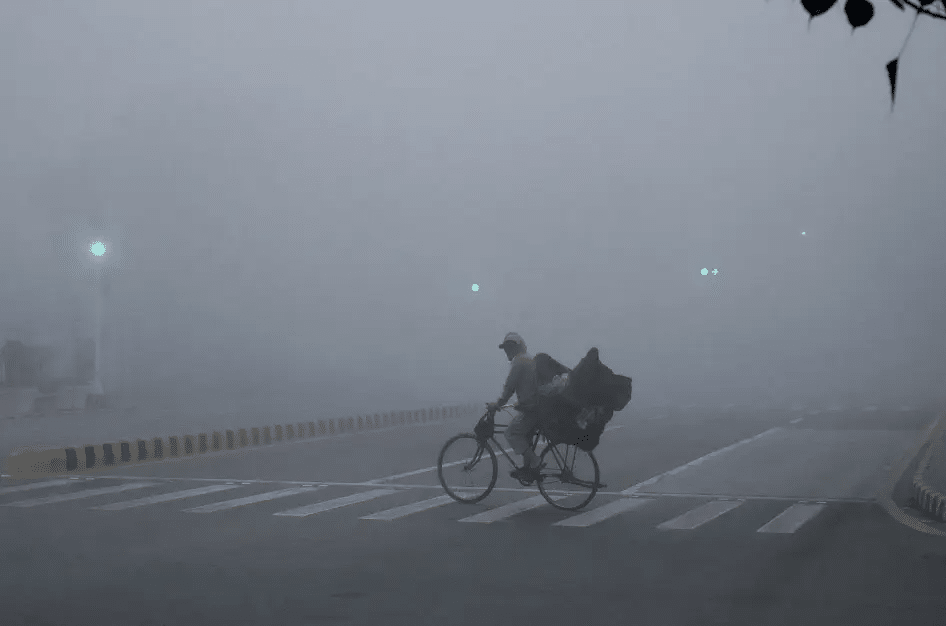
Image Credit: Human Rights Watch
Water Scarcity
Pakistan relies mostly on the Indus River system, about 90% of its agriculture depends on it. However, climate shifts and poor water storage have pushed the country into “water-stressed” territory.
The state is tackling this with large projects like the Diamer-Bhasha and Mohmand dams. These new reservoirs will help store water and support irrigation. At the same time, farmers are learning to use drip irrigation, a smart way to save water and keep farms thriving.
Pakistan has once again been severely impacted by devastating floods. The Intl Community must extend its support, as the country continues to face the adverse effects of climate change in the region despite contributing far less to global emissions than many other nations. 1/2 pic.twitter.com/ivKVLVC0Fl
— Amjad Malik (@AmjadMalik786) August 27, 2025
Deforestation and Green Cover Loss
Forests are vital, they protect against floods, store carbon, and provide wildlife habitat. Pakistan has one of the lowest forest cover rates in the region. But there is a bright spot: the “Billion Tree Tsunami” in Khyber Pakhtunkhwa. By planting more than 350,000 hectares of trees, the province surpassed UN targets. This effort, praised by the UN Environment Programme, shows the power of state-led green projects.

Image Credit: World Economic Forum
Climate Change & Extreme Weather
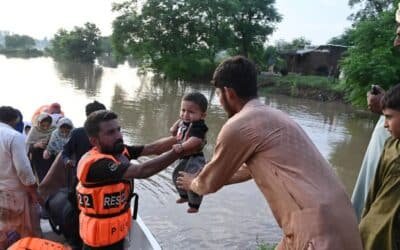
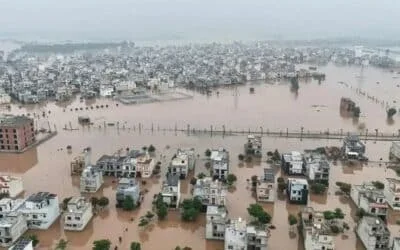
Pakistan contributes very little to global pollution, but it suffers greatly from climate change. Recent floods and heatwaves are becoming too intense and too frequent. The 2022 monsoon floods killed more than 1,700 people and caused around $40 billion in damage. These disasters hit vulnerable areas hardest.
The government, with help from global donors, launched recovery and adaptation plans after the disaster. These include building more resilient roads, hospitals, and schools.
You May Like To Read: The USSR and the Pashtun Separatist Movement
Waste Management
Rapid urban growth has created a new challenge: garbage overload. Karachi alone generates thousands of tons of waste daily. Dumping can block drains, pollute water, and harm health.
To fix this, the government has banned single-use plastic in several areas, and new recycling programs are emerging in schools. There are plans for waste-to-energy plants too. These steps can turn urban waste into opportunity—creating clean energy and jobs.
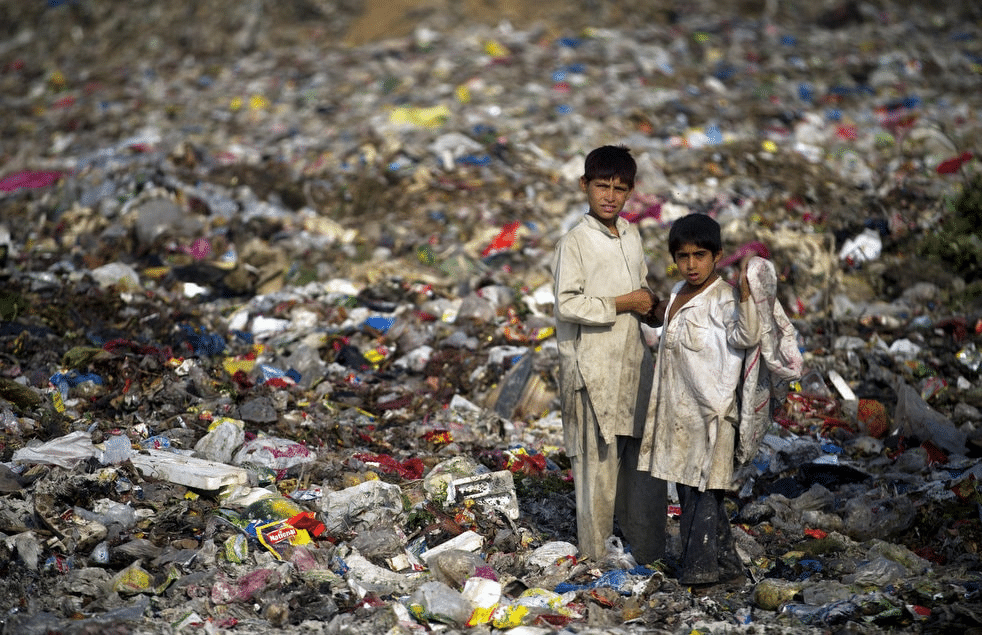
Image Credit: Dawn
Agriculture Under Stress
Farming is the backbone of Pakistan’s economy, but it’s under pressure. Warmer temperatures, droughts, and pests are cutting yields. Traditional farming methods, along with heavy pesticide use, make things worse.
The state is acting: scientists are breeding climate-resistant seeds, and subsidies are helping farmers buy efficient tools. Farming communities now have better support to adapt and thrive.
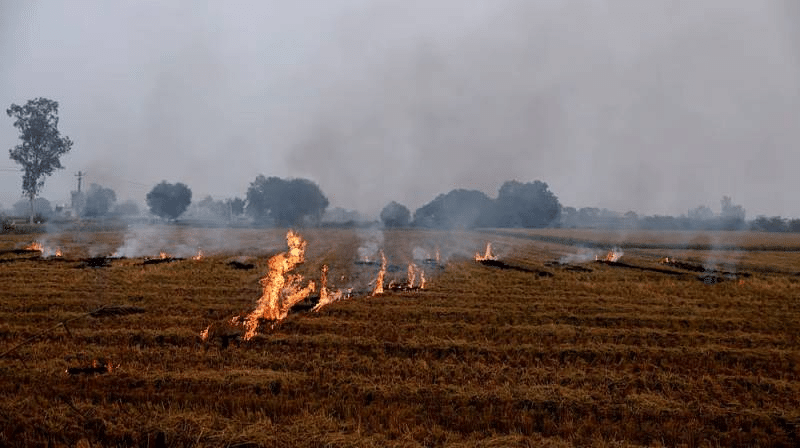
Image Credit: The Nation
Energy Transition
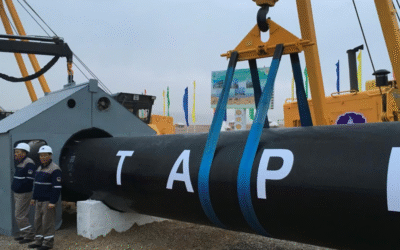
Pakistan has relied too long on imported oil and gas. Now, the government is promoting renewable energy, especially solar, wind, and hydropower. These projects are growing across the country, cutting pollution and saving foreign exchange costs.
By shifting to clean energy, Pakistan strengthens its economy and protects the environment.
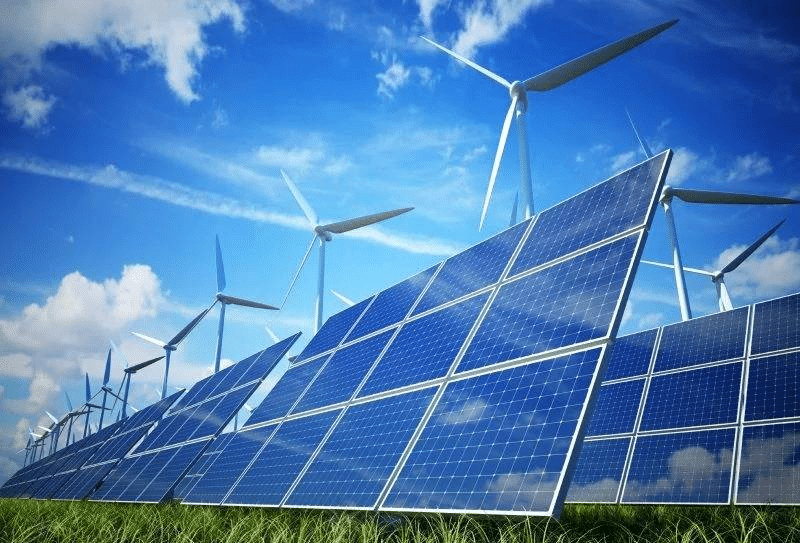
Image Credit: The Nation
The Power of Citizens
While government policies matter most, citizens also make a difference. Simple habits, like reusing water, planting trees, using public transport, or avoiding littering—can help. Community groups and schools are already leading green awareness drives. When citizens and the state act together, progress multiplies.
A Stronger, Greener Pakistan
Pakistan faces tough environmental challenges. From polluted air to shrinking water supplies, from vanishing forests to the floods made worse by climate change, the risks are real. But these problems are not impossible to solve. With strong state action, committed communities, and global support, Pakistan can turn these challenges into opportunities.
The government has already shown what is possible. Tree-planting projects have drawn praise from around the world. New dams and irrigation reforms aim to make the country water secure. Renewable energy programs are slowly reducing dependence on imported fuel. Waste management reforms are also moving forward. These are not just small steps—they are the foundation for long-term stability.
But the responsibility does not rest with the state alone. Citizens must support these efforts by making small but lasting changes in daily life. Planting a tree, saving water, using clean energy, or simply disposing of waste properly, each action builds resilience. Civil society and schools can play a vital role by spreading awareness and teaching sustainable habits.
Global cooperation is also vital. Climate change is a shared crisis, and Pakistan’s voice is important in international forums. By pushing for fair climate finance and technology transfer, Pakistan can secure both resources and respect.
The path ahead is difficult, but also hopeful. A clean, green Pakistan is within reach. It will take patience, unity, and trust in state-led policies. With collective will, Pakistan can protect its land, its people, and its future.
You May Like To Read: Pakistan Army: The Nation’s First Responder in Times of Calamity