

A Hidden Threat to Our Future
Environmental crimes are silent yet deadly threats. They harm our health, destroy ecosystems, and weaken the economy. In Pakistan, a country blessed with rivers, forests, and natural beauty; illegal deforestation and pollution are escalating issues. Yet, many of these crimes go unnoticed—or worse, unpunished.
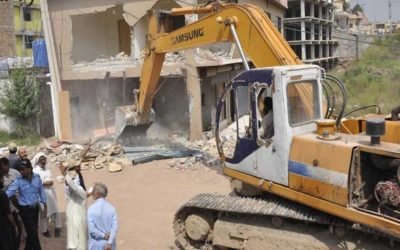
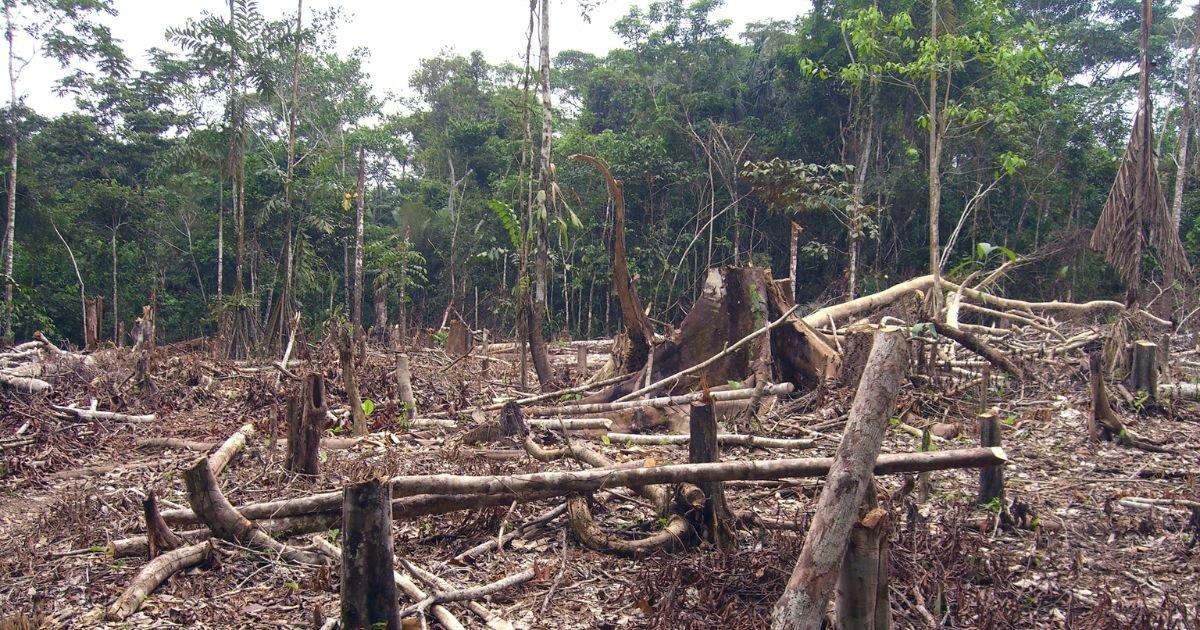
From factory waste dumped into rivers to forests cleared for timber or construction, the harm is extensive. These crimes impact life in both rural and urban regions. Forests in Gilgit are being stripped. Rivers near cities like Lahore and Faisalabad are suffocated with industrial sludge. Air pollution is increasing, harming children, the elderly, and workers alike.
We must address these issues not only as legal violations but also as ethical and religious duties. Islam teaches us that the Earth is a trust from Allah. It is our responsibility to protect it, not abuse it.
The Scope of the Problem: Forests and Pollution
The situation is serious. Pakistan is losing about 27,000 hectares of forest every year, according to the Food and Agriculture Organisation (FAO). This is one of the highest deforestation rates in Asia. In some parts of Khyber Pakhtunkhwa and Gilgit-Baltistan, entire forest ranges have been illegally cleared for timber sales. Once lush green hills are now barren.
On the pollution front, the issue is equally serious. Cities such as Lahore, Karachi, and Peshawar are consistently ranked among the top 10 most polluted cities worldwide. The Pakistan Environmental Protection Agency states that the air quality in major cities is two to five times higher than the safe health level established by the World Health Organisation (WHO). In 2023, Lahore’s Air Quality Index (AQI) exceeded 300 multiple times, posing a significant health hazard.
Our rivers are also under threat. The Ravi River near Lahore receives more than 50% of untreated industrial and sewage waste every day. The Lyari River in Karachi faces a similar situation. These waters, once pure, are now toxic, damaging agriculture, livestock, and drinking water supplies.
Legal Gaps and Weak Enforcement
Pakistan does have laws to combat environmental crimes. The main regulation is the Pakistan Environmental Protection Act of 1997. Each province also has its own environmental protection agency. However, these laws often remain unimplemented. Enforcement is weak. Fines are too low to deter large corporations or land grabbers. Many government officials lack adequate training or equipment.
In 2023, fewer than 5% of reported environmental violations resulted in any legal punishment. Court cases can take years to resolve. Meanwhile, pollution and destruction persist.
Furthermore, there is poor coordination among departments. Forest, municipal, industrial, and environmental offices often operate independently. This creates gaps that criminals can exploit. Illegal timber smugglers, for instance, use fake transport permits or bribe officials to move wood across districts.
Islamic Values: Environment as a Sacred Trust
Islam teaches us to care for the Earth. The Quran describes the balance (mizan) Allah has established in creation and warns against disturbing it. When we pollute, overconsume, or destroy nature, we break that balance. We are not only breaking the law— we are disobeying divine guidance.
The Prophet Muhammad (PBUH) promoted kindness towards animals and trees. He planted trees, encouraged others to do the same, and prohibited the cutting of trees during war. Islam advocates cleanliness, moderation, and responsibility.
In this context, damaging the environment is not merely irresponsible—it is a moral shortcoming. Every Muslim has a duty to safeguard Allah’s creation. We must regard trees, rivers, and the air as amanah (a trust), not as property to be exploited.
Steps Forward: What Pakistan Must Do
Environmental crimes will not stop unless we take strong, united action. Pakistan should strengthen the regulations for those who cut down trees, dump factory waste, or harm nature in other ways. The penalties for breaking these rules should be high enough to deter offenders. The fines should be substantial enough that the financial gain from illegal activities is not worth the risk.
Pakistan should utilise computers and satellite images to monitor its forests and land. This will help detect illegal tree cutting and land grabbing early, before they escalate out of control.
Police, forest officers, and other officials should be trained to understand environmental laws and how to collect evidence when someone violates those laws. This will improve both the rate and quality of prosecutions. At the community level, environmental watchdog groups should be established. These can include school clubs, mosque committees, and youth organisations that monitor and report illegal activities.
Public awareness also requires urgent attention. TV, radio, and social media should be utilised to communicate why protecting the environment is vital. This can be achieved by linking it to good citizenship and Islamic teachings. Schools and madrassahs should also teach that caring for nature is part of our faith.
All these steps collectively can assist people in learning to care for nature and feel responsible for its protection at every level of society.
Conclusion: A Duty to Protect What We Inherit
Pakistan’s land, air, and water are among its most valuable resources. If we fail to protect them, we don’t just lose trees and rivers— we risk our health, our economy, and the future of coming generations. We can already see the damage caused by environmental crimes, such as polluted air, contaminated water, and damaged farmland. These issues impact people’s lives, increase hospital workloads, and make it hard for people to trust the government. Fixing this requires more than just creating new rules. It needs proper enforcement, strong leadership, and public awareness. People must get involved, factories must follow the rules, and local communities should be empowered to defend their areas. When the environment is harmed anywhere in Pakistan, it impacts everyone through food shortages, floods, or higher medical costs.
If we act now, we can prevent much worse consequences. Caring for our environment helps make Pakistan safer, healthier, and better for everyone, both now and in the future.