


Across Europe, North America, the Gulf, and beyond, second-generation Pakistani youth are forging a hybrid identity—one that is neither entirely Western nor confined to traditional Pakistani norms. In the UK, USA, and Canada, they blend Urdu, Punjabi, or Pashto with English; they celebrate Eid and national days with pride, yet experiment with fusion food, music, fashion, and pop culture. Rather than diluting Pakistani culture, this trend reflects its evolving relevance and global resonance.
From biryani to bilingual podcasts, the Pakistani diaspora is redefining cultural authenticity.
Cultural exports from Pakistan, such as the multicultural hit song “Pasoori” by Ali Sethi, have gone viral internationally, bridging South Asian audiences and redefining what the Pakistani identity looks like on the global stage. Sethi describes his art as a reconciliation of Eastern and Western musical trends to reach diasporic communities: “I am in the East and the West … how do I connect the two experiences without having to choose one over the other?”.
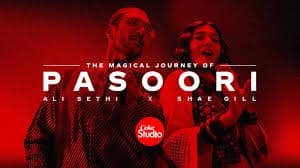
Source: YouTube
Diaspora as Cultural Ambassadors, and Agents of Soft Power
Second-generation Pakistanis often serve as unofficial ambassadors of their culture abroad. Through community events, food festivals, cultural showcases, language classes, and mainstream media appearances, they present Pakistan as a land of diverse heritage and rich values. According to one study, diaspora Pakistanis influence global perception and strengthen bilateral engagement via positive visibility. Approximately 53% of Pakistan’s international image is attributed to the belief that their presence abroad enhances Pakistan’s image internationally.
Desi identity abroad isn’t vanishing—it’s remixing itself for a global stage.
Government initiatives, such as cultural weeks at embassies and diaspora scholarships, further amplify these connections. The Ministry of Overseas Pakistanis has explicitly committed to reinforcing these bonds through events like the 2025 Overseas Pakistanis Convention, which attracted over 60 country representations and featured cultural exchange forums alongside discussions on investment, philanthropy, and heritage education.
Cultural Evolution, Not Erosion
Critics may view Westernization of diaspora youth—especially trends like adopting global fashion brands or skipping Urdu poetry recitals—as dilution. But what we see instead is Pakistan’s culture evolving. Streetwear labels like Rastah, founded in Lahore, blend Eastern craftsmanship with Western aesthetics, resonating with diaspora youth worldwide. Such brands elevate local artisans and create a transnational aesthetic grounded in Pakistani tradition yet modern in outlook.
Similarly, media platforms like Coke Studio amplify folk artists, such as Pashtun legend Zarsanga, giving them global listenership. Her fusion version of traditional folk music bridges diaspora communities with their roots, which they might otherwise never experience firsthand.
Diaspora Philanthropy and Cultural Investment
While identity evolves, strong cultural linkages to country persist through philanthropy and knowledge transfer. Remittances regularly exceed $29 billion annually, supporting families and community initiatives at home, and younger diaspora members are growing more inclined to invest in educational and social platforms in Pakistan. However, surveys show that second-generation youth currently give to Pakistani causes at lower rates than their elders—59% vs. 85% in the U.S. diaspora, for example. Still, the potential is growing through structured outreach and digital giving platforms.
Government and civil society are responding by designing culturally resonant platforms, such as NGO transparency drives, diaspora scholarship funds, and cultural mentorships, to deepen involvement from younger generations of the diaspora.
Cultural Identity as a Hybrid Bridge
In multicultural societies, many Pakistani youth describe themselves in dual terms, such as Pakistani-Canadian, Pakistani-American, or Pakistani-Hongkonger, which signals both integration and a sense of belonging. A study of young Pakistanis in Hong Kong found that many feel equally loyal to their birth and ancestral countries, speak multiple languages, and participate in local religious and cultural traditions, suggesting not cultural dilution but hybrid resilience.
This fluid identity, when positively engaged, can reinforce Pakistan’s global cultural presence: from hosting traditional music concerts to crowdfunding digital preservation of regional art online.
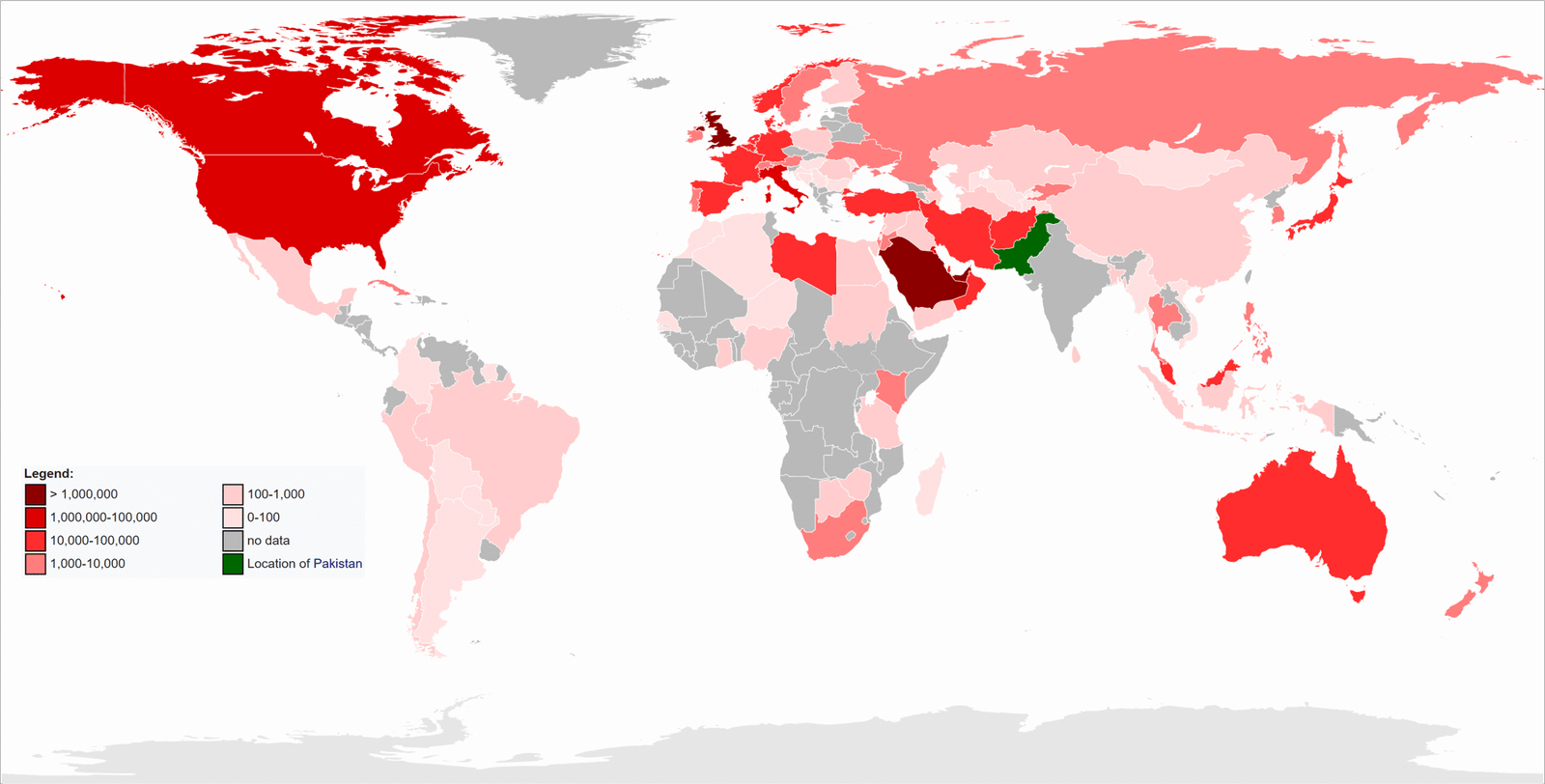
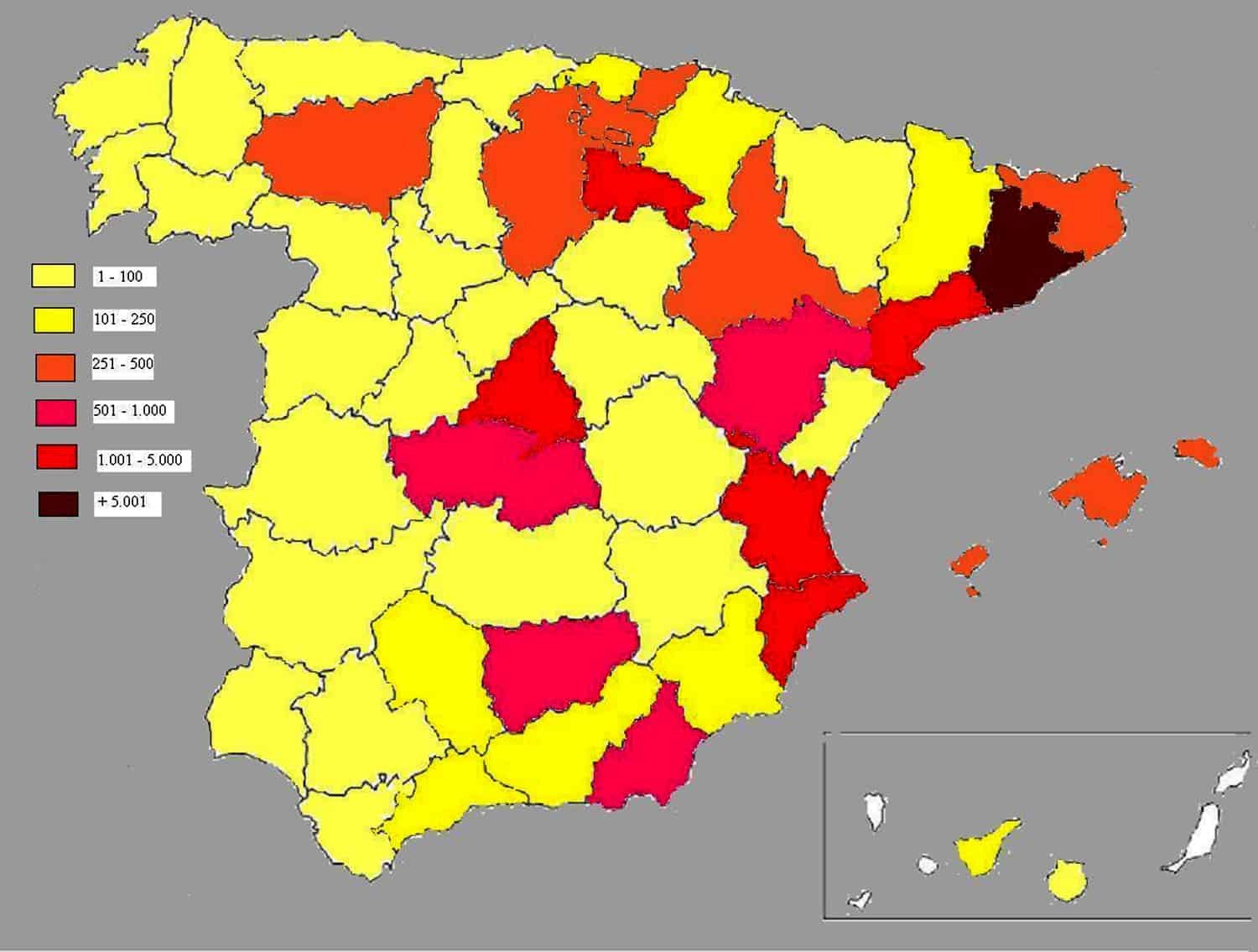
Source: Reddit | A Map of Pakistani Diaspora in World
Risks of Dilution, and the Role of the State
Of course, unchecked assimilation can risk moving young diasporans away from native language and customs. Countries that lose their linguistic identity risk their rich traditions disappearing over time. A report in Pakistan Today noted that under 6 percent of online content is in regional languages like Sindhi, Pashto, or Balochi—and urban youth largely favor Western media and culture over indigenous arts.
Recognising this, the Pakistani state has taken proactive steps. It supports institutions such as Lok Virsa, the National Council of the Arts, and local cultural festivals abroad. Through digital archives, YouTube-based Urdu poetry tutorials, kathak classes, and diaspora hackathons like #AjrakChallenge, the state encourages youth to engage with heritage rather than abandon it.
Is Pakistan Exporting Culture, or Losing It?
Pakistan is actively exporting its culture through food, music, fashion, philanthropy, and the fusion of its identity. The emerging diaspora youth not only represent Pakistan’s traditions—they actively innovate them. Gustatory fusion cuisine, bilingual poetry podcasts, online mehfil livestreams, fashion collaborations: these expressions weave Pakistani heritage into modern life.
At the same time, the state’s role in curating, funding, and supporting these cultural narratives ensures that continuity. When cultural export is supported by structured festivals, diaspora engagement programs, and heritage digitization, it sustains rather than dilutes national identity.
Cultural Ripple Effects at Home
The influence returns home. Diaspora-driven fashion labels in Pakistan adapt to diaspora tastes, rural artisans tap into new markets, and Pakistani creative professionals draw inspiration from hybrid approaches. Remittances fuel educational and arts institutions, diaspora philanthropy provides funding for museums and libraries, and cultural diplomacy encourages cross-border film festivals and music showcases.
Pakistan’s greatest soft power export might just be its second-generation citizens.
Importantly, Pakistani youth at home observe their diaspora peers practicing Urdu poetry by mixing it with rap beats or wearing ajrak jackets with Western cuts. This inspires fusion art within Pakistan, reinforcing national pride in a reinventive culture.
The second-generation Pakistani diaspora is not diluting Pakistani identity—they are reshaping and exporting it globally while keeping emotional ties intact. Their hybrid identities, cultural production, and philanthropic engagement reflect both evolution and continuity.
For the Pakistani state, this is a positive dynamic. Through strategic support, diaspora youth can carry forward soft power, preserve heritage, and stimulate national creativity—all while reinforcing Pakistan’s global image. Rather than exporting culture at the cost of losing it, Pakistan’s diaspora becomes a channel through which the nation reinvents itself for the modern age.
The state’s task is straightforward: maintain institutional ties, facilitate cultural exchange, and back youth-led innovations. In doing so, Pakistan ensures that its culture remains alive, adaptive, and respected—within its boundaries and beyond.