

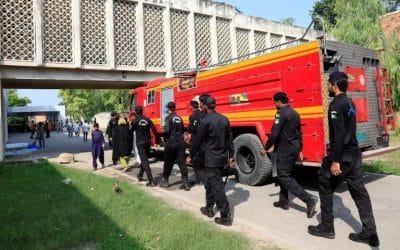


The security apparatus in Pakistan cautions that Tehrik-i-Taliban Pakistan (TTP), now officially declared as Fitna al-Khawarij (FAK) in Pakistan, has been taking advantage of Afghan territory as a safe haven. A Pakistani counterterror alert in late 2024, specifically citing militants crossing the border from Afghanistan as FAK fighters poised to strike domestic gatherings and protests.
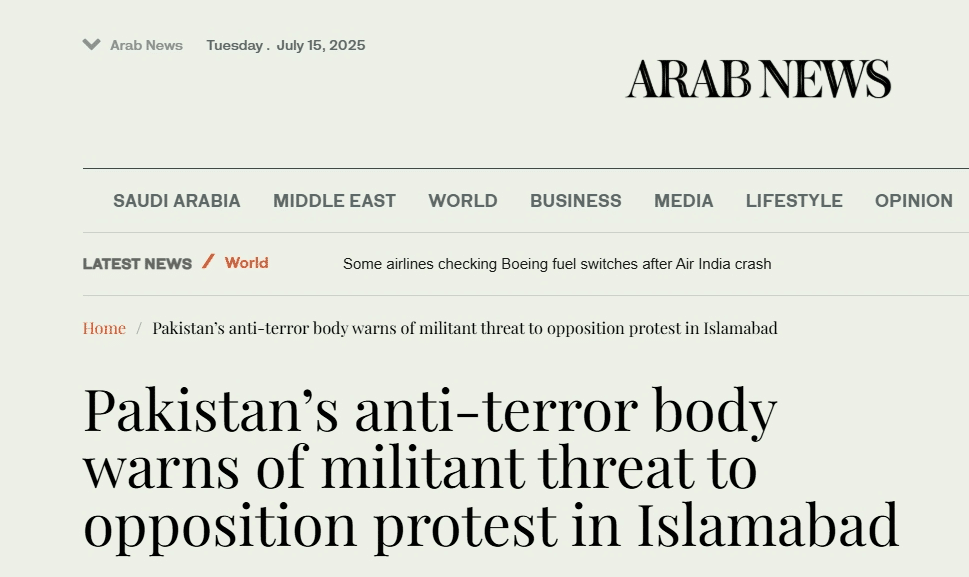
Source: Arab News
ISPR Director Gen. Chaudhry observed that such prohibited TTP/FAK actors are being offered “sanctuaries” and “unrestrained activities on Afghan territory”. This rhetoric highlights Islamabad’s perception of the FAK as traitorous outsiders: the DG ISPR warned that Afghanistan must not grant precedence to “kharijis (outcasts) and terrorists” over the state of Pakistan. At the United Nations, the ambassador of Pakistan cautioned the Security Council about the Taliban backed TTP network, which threatens regional stability.
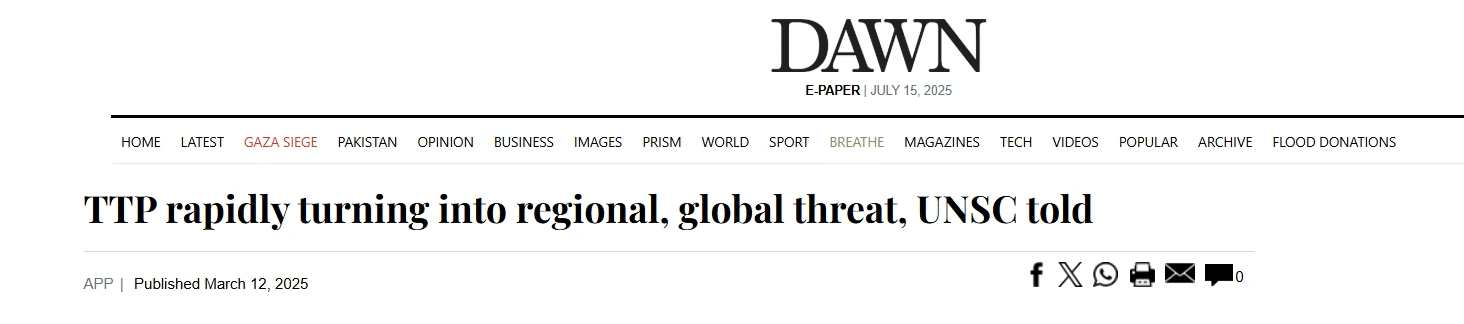
Source: DAWN
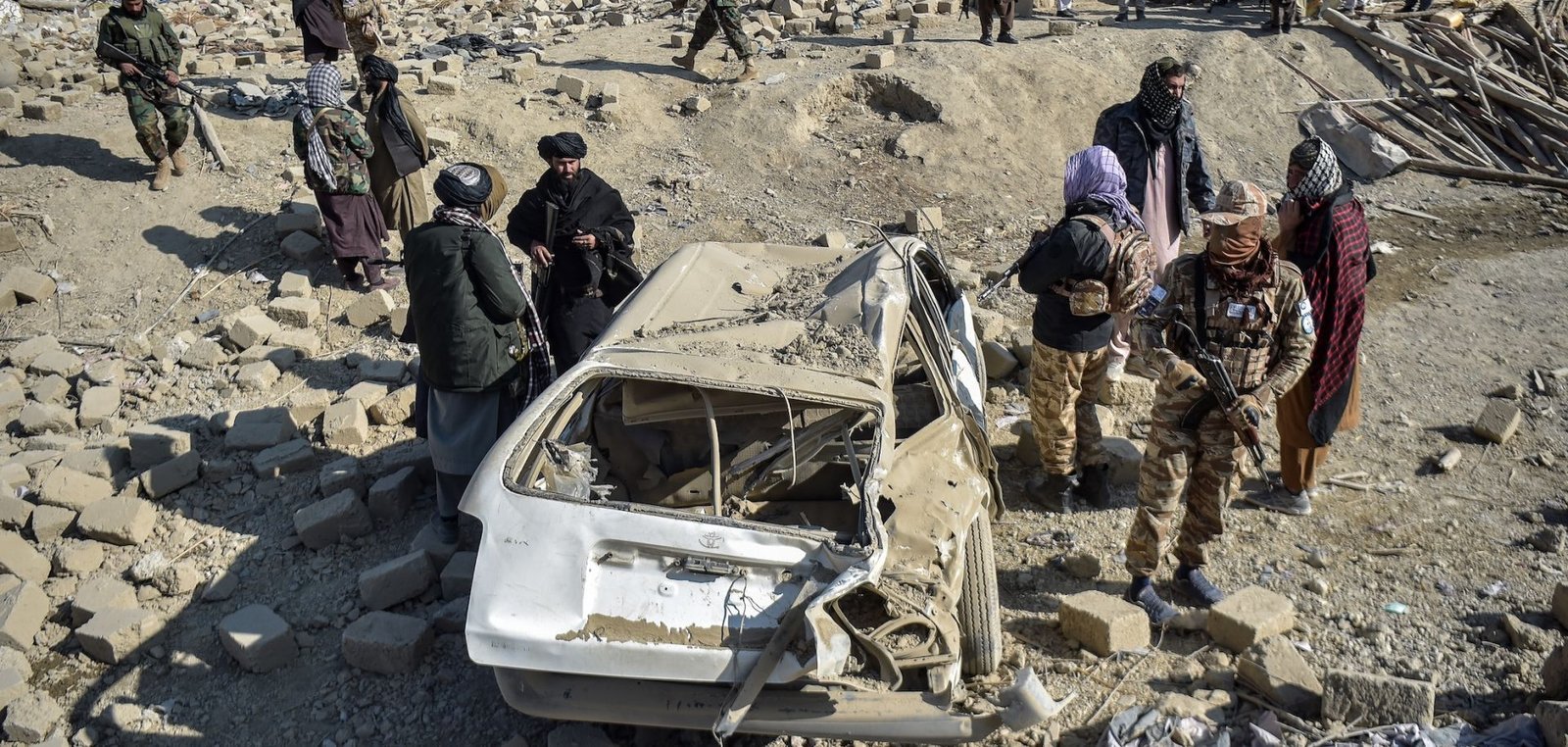
In practice, militants, according to Islamabad, have frequently crossed the Durand Line. On March 22, 2025, ISPR reported that troops killed 16 militants of the Khwarij group that were trying to penetrate Pakistan through Afghanistan.
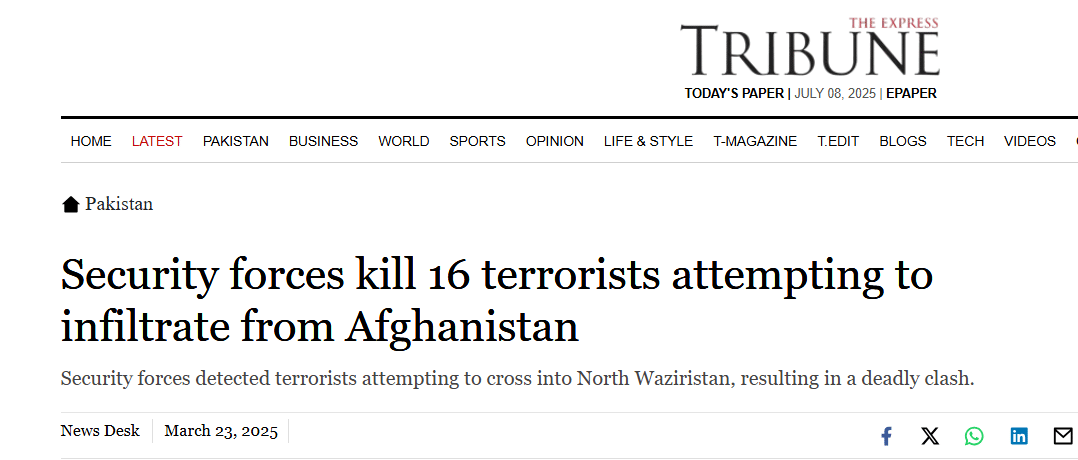
Source: Tribune
In late 2024, an ambush in South Waziristan resulted in the martyrdom of 16 Pakistani soldiers, an operation that authorities claim was carried out from Afghanistan. Following the attack in South Waziristan, Islamabad claimed to have launched an “intelligence-based anti-terrorism operation” in Afghanistan against militant hideouts. Pakistan states that these confrontations justify its longstanding request to Kabul to enhance frontier security. According to the ISPR, Pakistan has “repeatedly urged Afghanistan’s interim government” to “deny the use of its territory by militants”.
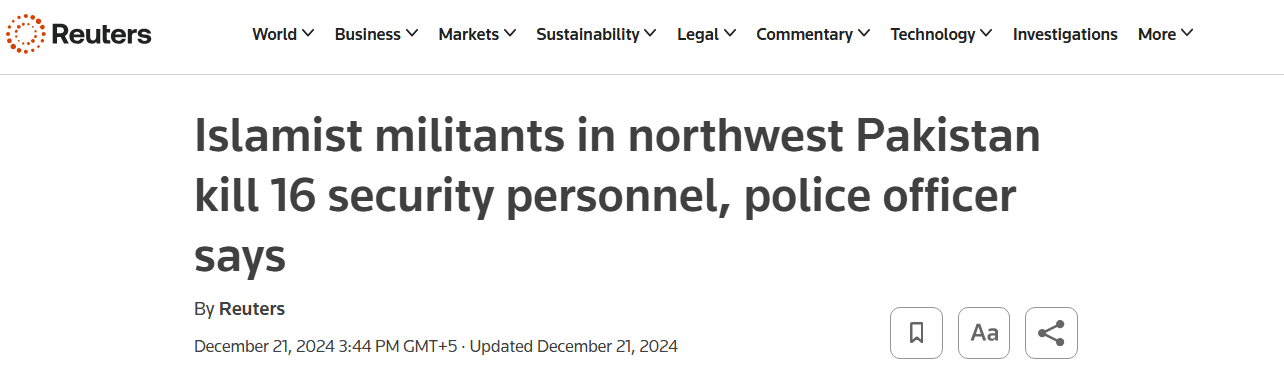
Source: Reuters
Globally, Pakistan depicts this as a violation of international law. UN officials note that Taliban assurances to prevent cross-border attacks have empty rings as FAK operates freely in Afghanistan. Pakistan believes that the UN resolutions require that Kabul prevent militants from using its soil. Ambassador Akram informed that “we will continue to take all necessary measures, under our right to self-defense”. He further warned of an attack by FAK militants on Chinese-funded projects in Pakistan, intending to disrupt bilateral cooperation. Islamabad claims that this international framework legitimizes its claims to destroy the cross-border sanctuary.
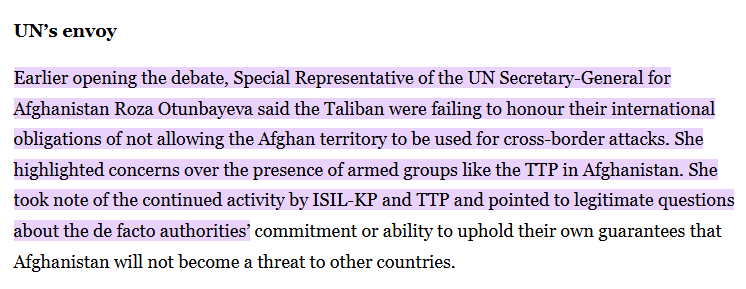
Source: Dawn
The Pakistan leadership emphasizes that it has been warning Kabul severally over the threat. As DG ISPR Chaudhry observed, Islamabad has reminded the Afghan interim government that Fitna al Khawarij have been engaged in terrorist acts in Pakistan using Afghan territory. He vowed that he “will leave no stone unturned to eliminate the terrorist networks” posing a threat to his people. The underlying message is straightforward: if Afghanistan does not control FAK, Pakistan will do whatever it must to protect its border. The ISPR also points to the cooperation record of Pakistan, citing that more than 815,000 undocumented Afghan nationals have been repatriated since 2023 as a goodwill gesture. Through the lens of Islamabad, the safe-haven problem in Afghanistan is a clear-cut scenario: Kabul will either deliver, or the Pakistani security agencies will take it upon themselves to eliminate the threat.
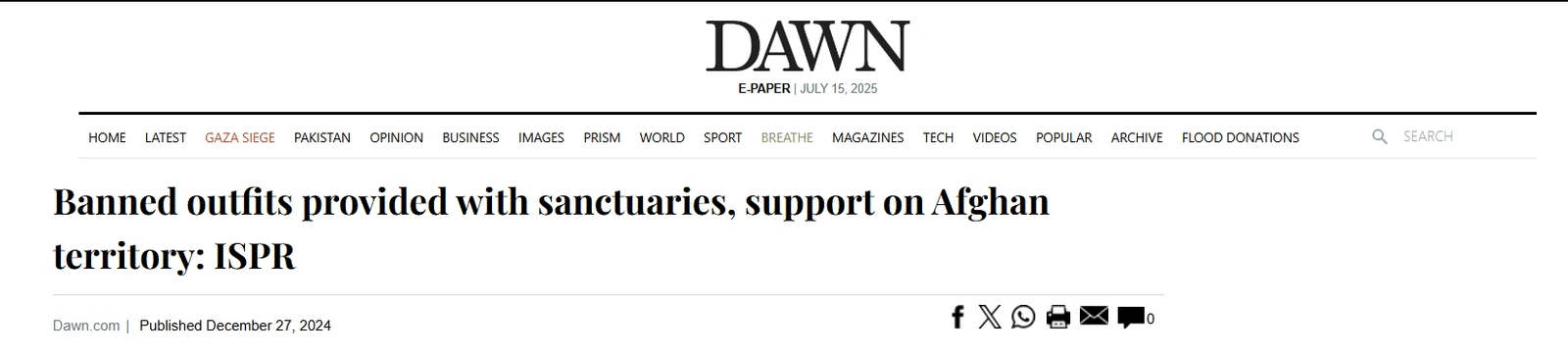
Source: Dawn
During these UN meetings, Pakistan has provided actual numbers to back up its argument. According to Ambassador Ahmad, it was estimated to have about 6,000 TTP/FAK fighters based in Afghan sanctuaries across the border, and he had reported that 54 militants seeking to infiltrate into Pakistan had been neutralized by Pakistani forces in April 2025. He also cautioned that there was credible evidence connecting TTP/FAK to Baloch insurgents. The diplomat also noted that more than 1 million illegal Afghans have entered Pakistan since 2021, burdening its security and economic resources. Islamabad asserts that these facts demonstrate that Afghan inaction on FAK is a clear, tangible, and immediate threat to regional stability itself.
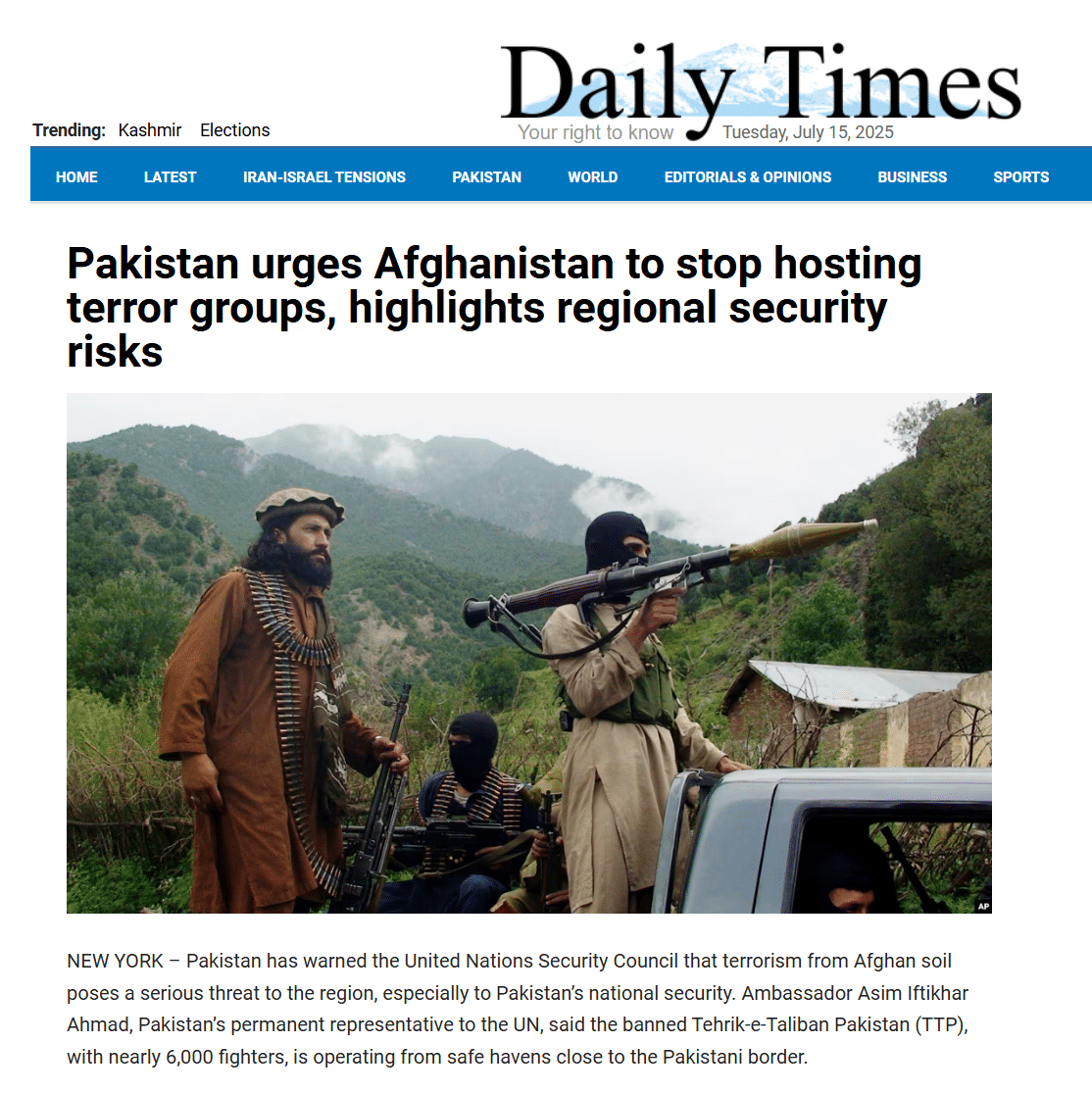
Source: Daily Times
Through these statements and reports, Pakistan presents a single thesis: the use of Afghan territory by FAK is an act against Afghanistan’s international legitimacy and a direct threat to Pakistan’s security. Pakistani authorities argue that, having promised not to allow its soil to be used against neighbors, the Afghan Taliban must now keep their word or face Pakistani retaliation. Pakistan’s stance is based on UN Security Council resolutions, weapons left behind by the US, and recent clashes on the border, asserting that active FAK presence in Afghan territory justifies defensive action. In short, Pakistani officials frame the situation as a clear example of international terrorism crossing the border, which must be addressed by either Afghanistan or Pakistan.