ISLAMABAD: Pakistan’s governance landscape in 2025 was marked by the consolidation and normalisation of a “hybrid” model in which security considerations increasingly overshadowed democratic processes, according to a new assessment released by the Pakistan Institute of Legislative Development and Transparency (Pildat).
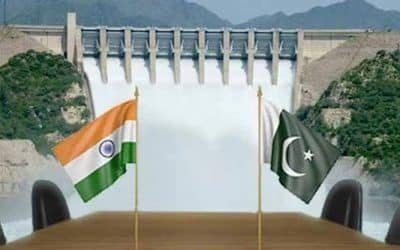
In its Assessment of the Quality of Democracy in Pakistan 2025, Pildat observed that while democratic institutions formally remained intact, their effective functioning was increasingly constrained by a security-centric approach to governance. The report noted that security priorities, rather than democratic norms, shaped decision-making throughout the year, particularly after the brief but intense Pakistan-India armed confrontation in May 2025.
According to Pildat, the civilian government not only accommodated but actively endorsed this hybrid governance model, increasingly framing democracy through the lens of state survival. Regional tensions with India and Afghanistan, persistent internal insurgencies and heightened political polarisation reinforced Pakistan’s shift towards a security-driven state.
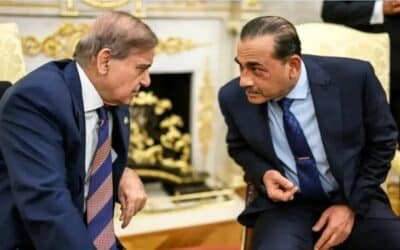
The report highlighted the expanding role of hybrid bodies such as the Special Investment Facilitation Council (SIFC), which continued to operate outside traditional ministerial and parliamentary oversight. It also pointed to the growing appointment of serving and retired military officers to civilian administrative posts, including the placement of a serving major general in a key interior ministry role in August 2025, as further blurring the boundary between civilian governance and the security establishment.
Pildat said 2025 effectively institutionalised a system in which democratic institutions functioned within parameters increasingly defined by security imperatives. One major development cited was the passage of the 27th Constitutional Amendment, which the report said was approved with limited parliamentary debate and consensus. It also noted weakened parliamentary oversight due to prolonged vacancies in the offices of Leader of the Opposition in both the National Assembly and the Senate.
This “hybrid” model has the full endorsement of the civilian government, which increasingly views democracy through the lens of state survival.https://t.co/sgIgkxqF1E
— Dawn.com (@dawn_com) January 1, 2026
The judiciary, the report said, underwent significant structural changes. The establishment of a Federal Constitutional Court, the continued trial of civilians in military courts and high-profile accountability proceedings conducted under exceptional conditions raised concerns about due process and judicial independence.
You May Also Like: Centre Notifies Panel to Review AJK Refugee Seats Clause
The role of the security establishment further expanded following major terrorist incidents, instability along the western border and the Pakistan-India standoff. Pildat pointed to the restructuring of the military command through constitutional amendments, the elevation of the chief of army staff to the rank of field marshal, and his subsequent appointment as chief of defence forces (CDF) in December 2025. His term was later extended until December 2030, with the possibility of a further extension.
The report also noted increasingly public commentary by military spokespersons on governance and political issues, particularly in relation to security conditions in Khyber Pakhtunkhwa. It said such developments reflected the formalisation of hybrid rule, with limited parliamentary oversight of the security sector.
Pildat described the court martial and sentencing of former ISI director general Lt Gen (retd) Faiz Hameed as an unprecedented accountability measure within the security establishment, marking another notable development in an eventful year for Pakistan’s civil-military relations.
Check out our latest video: