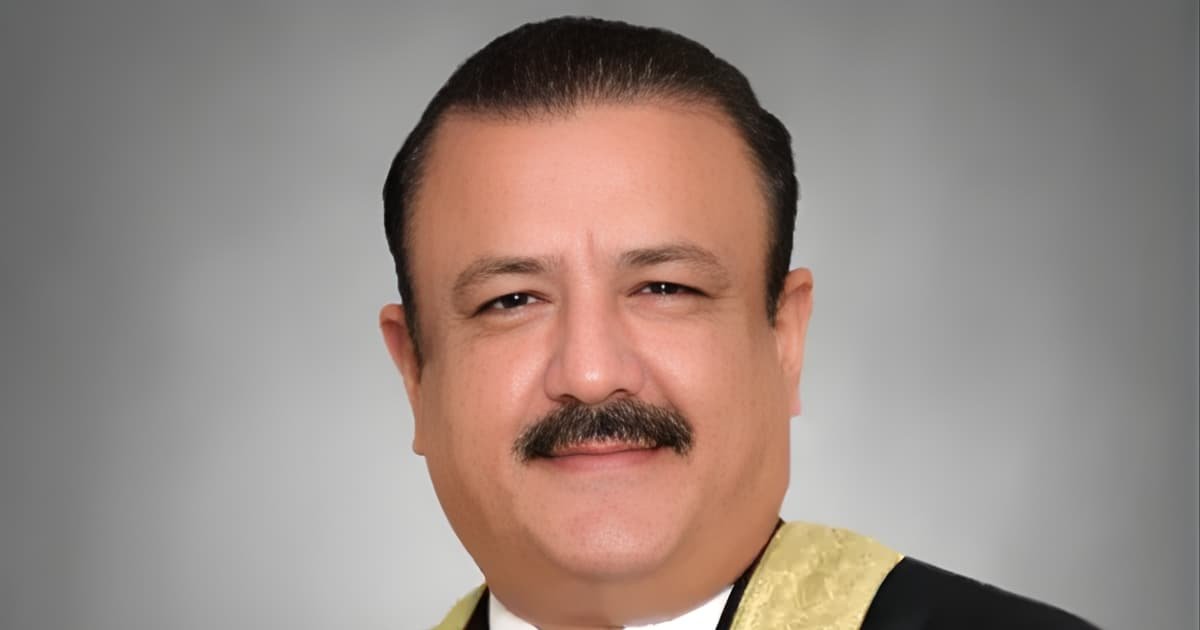





ISLAMABAD — The Islamabad High Court (IHC) on Tuesday directed the Higher Education Commission (HEC) to furnish complete academic records related to the law degree of Justice Tariq Mehmood Jahangiri, as proceedings in a high-profile petition challenging the judge’s qualifications continued before a division bench.
The bench, comprising Chief Justice Sardar Mohammad Sarfraz Dogar and Justice Mohammad Azam Khan, resumed hearings on a petition filed by lawyer Mian Dawood. Amicus curiae Barrister Zaffarullah Khan and representatives from multiple legal bodies were also present.
During the proceedings, the petitioner urged the court to summon records directly from Karachi University (KU), claiming that the university had cancelled Justice Jahangiri’s LLB degree. However, the Sindh High Court (SHC), acting on a petition filed by the judge, had already suspended the cancellation order.
Chief Justice Dogar noted that the HEC, as the primary regulatory body overseeing universities across the country, would be the first institution from which the bench would seek academic documentation. Only after reviewing the HEC’s submission would the court decide whether to issue a notice to KU. The bench also instructed the HEC to appoint a senior officer to assist the court.
You May Also Like: Pakistan Rejects Appeal to Resume Trade as Islamabad–Kabul Impasse Continues in Riyadh
Meanwhile, a representative of the Islamabad Bar Council (IBC) drew attention to the council’s pending application seeking to become a party to the case. The court assured the IBC that its application would be taken up at an appropriate stage. The hearing was then adjourned.
The case has followed a complicated path since it was first taken up on September 16. At that time, the same IHC division bench issued an interim order restraining Justice Jahangiri from performing judicial duties until the petition’s maintainability was determined — a move that triggered significant debate within the legal community.
HEC directed to appoint senior officer for court’s assistance. https://t.co/8uGb3grv5M
— Dawn.com (@dawn_com) December 3, 2025
The Supreme Court later intervened, setting aside the restraining order on September 29. A five-member constitutional bench led by Justice Aminuddin Khan ruled that no high court could bar a sitting judge from performing judicial functions through interim relief. The apex court clarified that its ruling was restricted to the legality of the interim order and did not address the substance of the allegations raised in the petition.
During the Supreme Court hearings, Attorney General for Pakistan Mansoor Usman Awan acknowledged that the case posed an unprecedented legal issue, noting that quo warranto proceedings against sitting judges are extremely rare. He cited the 1988 Malik Asad Ali judgment, in which the Supreme Court held that judges could not be restrained from judicial work via interim orders.
The Supreme Court ultimately directed the IHC to decide the objections to the petition and proceed according to law, setting the stage for the latest developments.