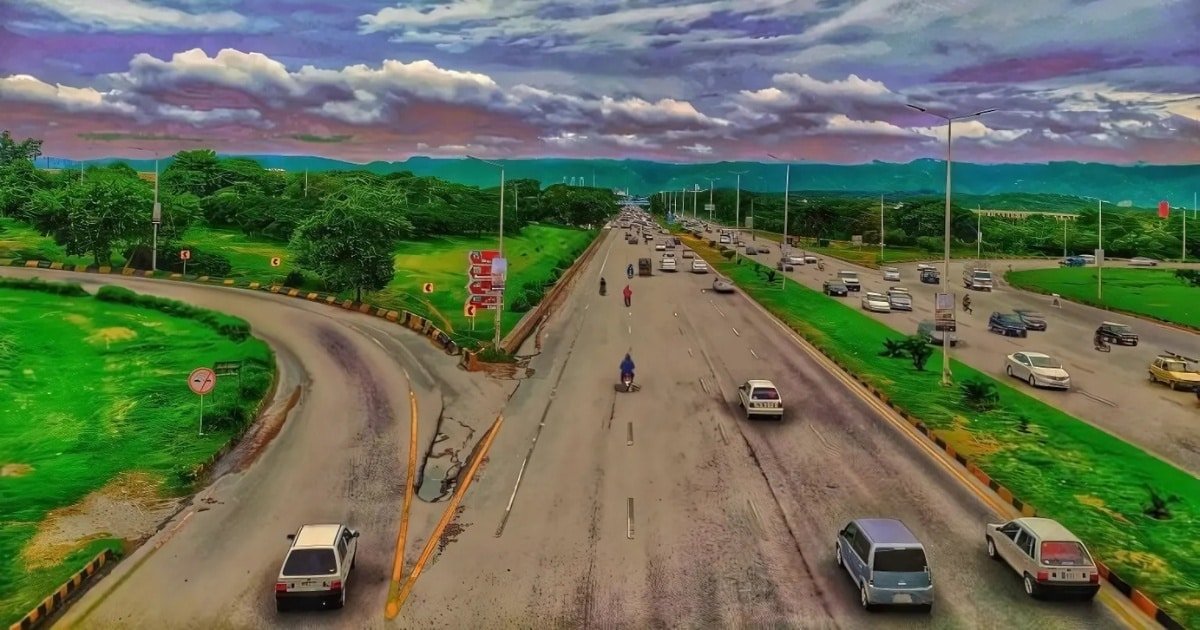




For too long, Pakistan’s roads carried tragedy: families shattered, medical costs soaring, and lives lost too soon. However, a bold transformation is underway. The rollout of RFID tags, AI-powered cameras, drones, and automation is rewriting that narrative—saving lives, rebuilding trust, and proving that faith-inspired governance can bring real change.
Why Safer Roads Are a National Priority
Road accidents in Pakistan have reached alarming levels. According to the Asian Transport Observatory, more than 28,000 traffic-related deaths occurred in 2021, claiming some 3% of GDP. Even official reports cite 10,379 accidents and 5,608 fatalities in just one year .
These are not abstract numbers; they represent mothers waiting at home, students who never arrived at school, and businesses disrupted forever. As a nation rooted in social justice and in Islamic values, Pakistan must change this.
Identifying the Problem: Human Error Meets Systemic Gaps
- Seeding, driver fatigue, and dozing cause the majority of road accidents, according to the director for roads and transport at the Ministry of Communications.
- Traditional manual enforcement—paper challans and sporadic checkpoints—failed to deter reckless behavior.
- Infrastructure weaknesses, poor signage, and public ignorance further compounded the risks.
This combination of factors turned roads into danger zones. But that is changing now.
The Tech-Driven Shift
To tackle these issues, Pakistan has deployed a suite of modern solutions:
- AI-Based Cameras + ANPR: Installed across major intersections in Lahore, Karachi, and Islamabad, these systems automatically detect speed and signal violations. The Punjab Safe Cities Authority (PSCA) leads this initiative.
- RFID-Enabled E-Challan System: These auto-fine systems notify violators in real-time via SMS and automated notices.
- Drone Patrols: The Islamabad Traffic Police now use drones to monitor traffic on expressways, enabling law enforcement to respond quickly.
- NHMP Radar & Speed Cameras: The National Highways & Motorways Police is enforcing speed limits along inter-city roads with radar guns and mobile units.
By layering technology with human oversight, Pakistan is developing a proactive and intelligent road safety ecosystem.
You May Like To Read: Monsoon Fury and Broken Treaties: Pakistan’s Climate Crucible
Evidence of Impact
Fewer Fatalities
After drone deployment on expressways, Islamabad saw a 25% reduction in fatal crashes.
Compliance Gains
E-challan adoption in Punjab led to measurable improvements in traffic enforcement and compliance.
These results signal that tech measures can save thousands of lives annually.
Islamic Values: Safeguarding Life as a Sacred Duty
Islam stresses the sanctity of life. The Quran commands: “And do not kill the soul which Allah has forbidden…” (17:33). The integration of traffic tech is not merely a policy—it’s a moral imperative. Every camera, every drone patrol, every RFID checkpoint is an enactment of Hisbah—society’s duty to uphold public welfare in accordance with the Sunnah.
This approach isn’t about surveillance. It’s a communal obligation to care for one another and preserve dignity on every road.
Institutional Coordination & Civic Engagement
This effort succeeds due to public and institutional unity:
- Punjab Safe Cities Authority ensures automated enforcement and data transparency.
- NHMP manages highway enforcement technology.
- Engaged Citizens share safety footage, urge stricter enforcement, and shape discourse via social media and local platforms.
This combined civic will is shaping a new national culture, one where safety is expected, not optional.
Hurdles Still Ahead
Even with success, some problems must be fixed:
- Privacy and Rules: People need to know that their data is safe and that there are clear rules governing it.
- Better Equipment: Small towns need better cameras and internet.
- Changing Minds: Schools, mosques, and public messages can help people understand and accept change.
- Teamwork: Different groups must work together, share information, and have a steady source of funding to continue helping.
Strategic Recommendations
To deepen impact, Pakistan can advance by:
- Making Traffic Data Public: Dashboards of Violation Hotspots, e-Challan Statistics, and Real-Time Alerts.
- Expanding Tech Nationwide: Scaling drone and camera systems to Sindh, KP, Balochistan, and Azad Kashmir.
- National Education Campaigns: Utilizing mosques, madrassas, and schools to teach moral responsibility and safe driving rooted in Islamic values.
- Legal Strengthening: Updating traffic laws to reflect current risks and allowing tech-adjudicated challans.
- Unified Command Centers: Bringing PSCA, NHMP, and police data under shared platforms for live coordination.
- Vision Zero Commitment: Adopting the global campaign to eliminate traffic fatalities.
Shared Success: Who Benefits?
This isn’t about enforcement—it’s about empowerment:
- Families will worry less when roads are safer.
- Patients will reach care on time, reducing costs and saving lives.
- Business & Growth thrive when accidents don’t hold back travel or transport.
- Youth Confidence grows in a society where public order is respected.
- Islamic Harmony is enhanced when moral duty aligns with legal infrastructure.
You May Like To Read: Why Pakistanis Are Rejecting Anti-State Rhetoric in Favor of Stability
Conclusion: Leading with Faith, Technology, and Civic Trust
Pakistan is at a crossroads. The adoption of traffic tech signals a future where technology, faith, and governance converge to protect life. Every camera installed, every drone flight, every enforced challan is a step toward fulfilling the Quranic principle that saving one life is akin to saving all humanity (Surah 5:32).
This effort demonstrates that technology, grounded in Islamic values and public collaboration, can transform society for the better. The path ahead demands vigilance, empathy, transparency, and relentless refinement—but Pakistan’s commitment is now unmistakable.
Let this be the era when roads are not synonymous with risk—but with reliability, community welfare, and national dignity. As each life spared on our highways is a blessing, each accident avoided is a triumph of intentional governance and enduring moral conviction.