The Roots of Flavor – A Legacy of Tradition
Pakistani cuisine is vibrant and flavorful. It reflects the country’s rich traditions. Each region has unique dishes. Punjab, Sindh, Balochistan, and Khyber Pakhtunkhwa all contribute. Local ingredients and cooking methods influence their specialties.
In Punjab, you can enjoy slow-cooked meals like nihari and haleem. These dishes are flavorful and spice-rich. In Sindh, the food has bold and tangy tastes. Sindhi biryani stands out with its perfect balance of heat and aroma. Balochistan features sajji. This dish consists of whole lamb roasted over an open fire. It reflects the region’s nomadic lifestyle. Khyber Pakhtunkhwa is known for chapli kebab. This dish showcases the hearty eating habits of mountain communities.
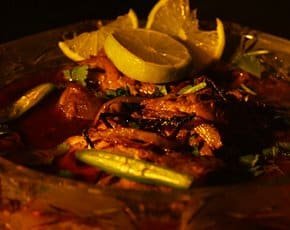

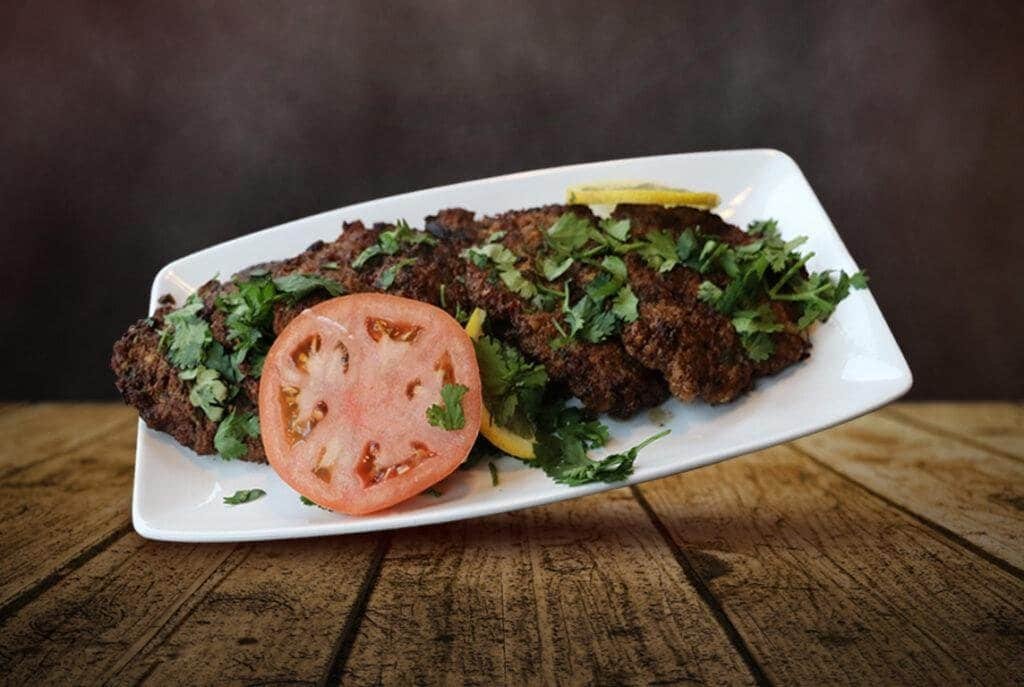
These dishes are more than just meals. They carry stories and connections to family. Many recipes are passed down through generations. They are learned by heart, not written down. This reflects the knowledge of mothers and grandmothers. Sharing a meal shows hospitality and respect. It is crucial in Pakistani culture. Celebrations like Eid and weddings are incomplete without food. A beautifully arranged table highlights food’s significance in Pakistan’s identity.
Global Stage, Desi Pride
Pakistani food is gaining popularity around the world, and it’s doing so with flair. Dishes like biryani, nihari, and seekh kebabs are showing up in restaurants in cities like London, New York, Dubai, and Toronto. Even high-end restaurants with Michelin stars are incorporating flavors like saffron curries and spiced lamb chops into their menus, giving traditional Pakistani dishes an upscale twist. These YouTube videos and TikTok clips show the love for Pakistani cuisine around the world.
At the same time, there are exciting new takes on classic recipes, such as tikka tacos, biryani sushi, and gulab jamun cheesecake. These creative combinations are grabbing attention at food festivals and on social media, sparking interest in Pakistani cuisine.
Pakistani food is more than just recipes; it tells a story about history and culture. Each dish reveals the journey of different people—traders, conquerors, and settlers—who brought their unique flavors and traditions to the region. This rich blend of influences has shaped what we now recognize as Pakistani cuisine.

Source: Deraeats
Kitchen Evolutions: Delivery, Digitization, and Innovation
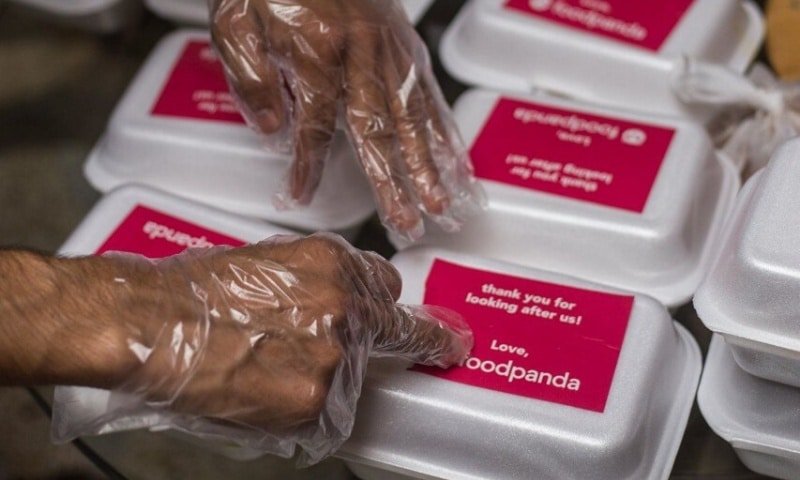
The art of cooking is changing. It blends with modern technology. Delivery apps like Foodpanda and CareemNow have changed how we enjoy meals. Delicious dishes like Peshawari kebabs and Karachi biryani are now just a click away. This has increased food deliveries. However, it impacts how families share meals. Sometimes, they eat alone. Other times, they connect virtually with loved ones.
The move toward technology doesn’t erase our rich cooking traditions. Instead, it helps home cooks share classic dishes. Women, in particular, are showcasing recipes like Sindhi biryani and Balochi sajji. People can now enjoy these dishes far beyond local areas. Restaurants in Pakistan are also embracing new ideas. They are using digital menus and QR codes. This makes it easier for everyone to enjoy tasty food. This exciting blend of convenience and flavor modernizes our food culture. It keeps our traditions alive, too.

Source: DAWN
Health & Sustainability: The Conscious Spice Shift
People in Pakistan are becoming more aware of their eating habits. They are enjoying plant-based dishes such as vegetable biryani, jackfruit versions of traditional meals, and delicious lentil kebabs. Many cafés and local restaurants are now emphasizing the use of organic fruits and vegetables. They are also choosing eco-friendly packaging and making efforts to reduce waste in their kitchens.
Culinary Diplomacy & Cultural Exchange
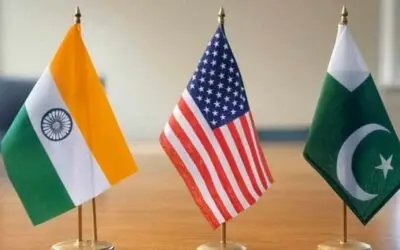
Pakistan is using tasty food to connect with people and share its culture. At the International Day 2025 event in New Delhi, their booth featured a variety of delicious dishes, including biryanis, kebabs, jalebis, and gulab jamuns. These mouthwatering foods not only received great reviews but also helped foster connections through shared meals.
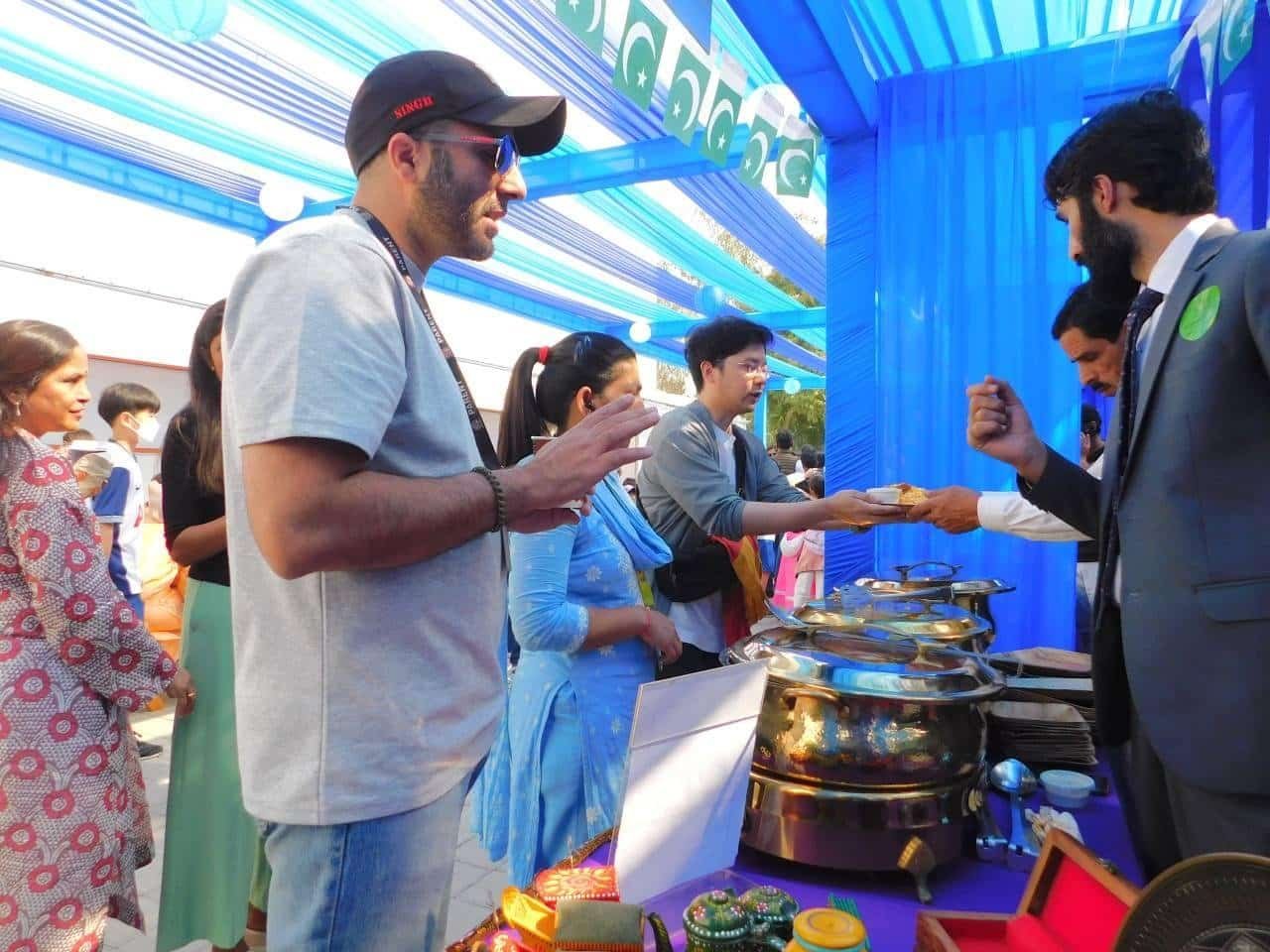
Source: Diplomatic Pakistan
Back in Pakistan, the Global Cuisine Show at FoodAg 2025 highlighted local foods such as halal meats, mangoes, and seafood, while mixing them with flavors from around the world. This strategy is not just about serving good food; it also aims to promote Pakistani culture and products on an international level.
Explore our land, Travel Pakistan: Pakistan is a land of diverse cuisine that is rich in aroma, spices and flavors. Explore the world’s most distinct and delish recipes in Pakistan because of its cultural diversity. #BeautifulPakistan🇵🇰 pic.twitter.com/PZQBjTorjT
— Government of Pakistan (@GovtofPakistan) April 7, 2019
Similarly, the Uzbekistan Food Fest in Islamabad showcased a blend of flavors and diplomacy, strengthening friendships and trade between neighboring countries, one delicious bite at a time.
Voices of Food, Culture & Identity
Food plays a significant role in shaping our identities, and as trends evolve, storytellers capture the flavors and memories that define us. Maryam Jillani, a writer from Islamabad, has created a new cookbook titled Pakistan, inspired by her visits to 40 different kitchens. Through her stories about traditional dishes like pulao and karahi, she helps keep our culinary heritage alive.
In London, Sumayya Usmani found a sense of belonging within her community by preparing special dishes for Eid, such as biryanis, haleem, and seviyan. Cooking allows her to connect her memories with her modern identity.
Meanwhile, in New York’s East Village, a restaurant named Nishaan is combining Pakistani and American flavors in exciting ways. They serve unique dishes like chapli kebab, chopped cheese, masala fries, and gulab jamun cold foam, all in a setting inspired by the mosques of Lahore. These innovative food combinations creatively help share and celebrate cultural heritage.
From the Hearth to the World – Bridging Tradition and Global Recognition
Pakistani cuisine is famous for its rich flavors and colorful dishes. It has become popular all over the world because of migration, tourism, and social media. Traditional meals like karahi, seekh kebab, and biryani are now popular in big cities. You can find them in London, Toronto, Dubai, and New York. Immigrant communities brought these dishes to new places. They often make small changes to suit local tastes. However, they keep the original flavors.

Source: Foodies
Today, global food festivals, celebrity chefs, and social media influencers play a big role in sharing Pakistani food with people everywhere. This has turned classic recipes into popular favorites. The journey of these dishes, from humble kitchens to fancy restaurants, helps to celebrate and show the cultural importance of Pakistani cuisine worldwide.
Pakistani food blends traditional methods with new ideas. It adapts and grows but remains true to its roots. The unique taste comes from special spices and cooking techniques. These have been passed down through generations. You can find this food in high-end restaurants or on viral TikTok videos. Enjoying Pakistani dishes means experiencing a rich culture and history. Each meal reflects hospitality and warmth.

Pakistani food culture is lively and always changing, while still respecting its history. It spans different times and places—from street grilling of sajji to the newest trends on social media, from busy street food stalls to fancy dining experiences, and from family kitchens to widely available cookbooks. Every bowl of biryani, food delivery, and creative fusion dish tells a story of tradition, change, and delicious flavors. The future of Pakistani cuisine looks promising, filled with flavors, creativity, and countless opportunities for everyone to discover.