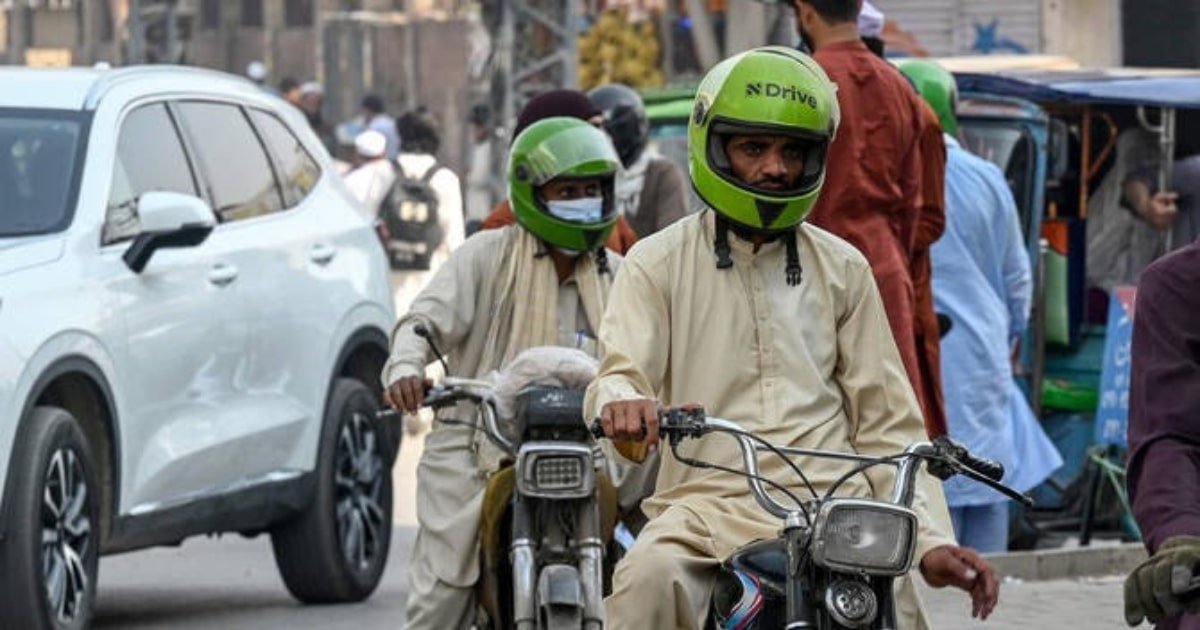





Karachi, January 28, 2026 — Ride-hailing platform inDrive has announced plans to evolve into a full-fledged super app, starting with quick commerce services in Pakistan — one of the first markets worldwide for this expansion. Company founder and CEO Arsen Tomsky claims inDrive now holds about 60 percent of Pakistan’s ride-hailing market, crediting its user-driven fare negotiation model for winning over drivers and passengers tired of high commissions and unpredictable pricing.
Key Highlights
- inDrive says it commands 60pc of Pakistan’s ride-hailing sector, with 40pc growth in rides, 57pc in couriers, and a fourfold increase in inter-city trips since Careem’s exit last year.
- The company charges 8–12pc commission — lower than many competitors — and avoids heavy subsidies or aggressive advertising.
- Quick commerce rollout begins in Karachi in partnership with Krave Mart (pending regulatory approvals), with plans to expand to Lahore and twin cities later.
- Pakistan was chosen early due to its large youth population, low-cost internet access, and inDrive’s established local presence.
- The super app vision aims to impact 1 billion people by 2030, with ride-hailing penetration in Pakistan still at only 2pc — leaving vast room for growth.
More ways to move daily life forward in Pakistan 🛒
We’re expanding our ecosystem with the launch of inDrive Groceries, in partnership with Krave Mart.
Starting in Karachi, people can now order everyday essentials directly in the app — with fast delivery, transparent pricing,… pic.twitter.com/Z8zr53Ej8n
— inDrive (@inDrive) January 14, 2026
Roots in Fairness, Growth in Pakistan
The inDrive story began in Yakutsk, Russia — one of the coldest places on earth — where students created a simple social media group to bypass unfair taxi pricing on New Year’s Eve. Drivers and passengers negotiated fares directly, undercutting a cartel and sparking rapid local adoption. Arsen Tomsky, then leading a major IT firm in the city, scaled the idea into a global platform now operating in 48 countries.
In Pakistan, Tomsky points to the same pain points that drew early users elsewhere: dominant platforms charging steep commissions, surge pricing that can multiply fares fivefold during peaks, and a sense among drivers and riders that the system is stacked against them. “Others squeeze the lemon,” he says bluntly, describing competitors who subsidize rides to gain market share, then hike prices to recover costs.
inDrive has come a long way. Last week, we sent our first delegation to Davos: it was a busy few days – and a revelation.
We participated in several events hosted by the Pakistani delegation, including Digital Pakistan – a session on the future of the country’s digital economy.… pic.twitter.com/imJEQqGevS
— inDrive (@inDrive) January 22, 2026
inDrive takes a different path — no big subsidies, no lavish ad spends. Instead, it lets users and drivers set fares through direct negotiation, a feature many in Pakistan have embraced. The model has fueled steady growth, especially after Careem stepped back from ride-hailing.
Quick Commerce as First Super App Step
Now, inDrive is pivoting toward a one-stop super app, with quick commerce as the initial focus outside core mobility services. Nurken Rzaliyev, head of Q-Commerce Services, explains Pakistan’s selection: strong market scale, inDrive’s solid footing here, and a reliable grocery partner in Krave Mart.
Karachi serves as the proving ground — despite challenges like distance, infrastructure gaps, and security concerns — because over 90pc of Krave Mart’s business is already concentrated there. The company aims for sustainable, profitable growth before wider rollout.
At a time when international funding has tightened, and some multinationals are pulling back, inDrive’s renewed push stands out. It supports the gig economy in a country grappling with high unemployment, offering drivers and couriers flexible opportunities while giving consumers faster, more affordable access to essentials.
You May Like To Read: FCC Upholds Super Tax, Safeguarding Rs310 Billion
For millions of young Pakistanis already familiar with inDrive’s ride-hailing app, the super app promise could mean one platform handling rides, deliveries, and more — a quiet but ambitious step toward deeper integration in daily life. Regulatory clearances are pending, but the early marketing signals confidence in the model’s potential here.
Check out our latest video: