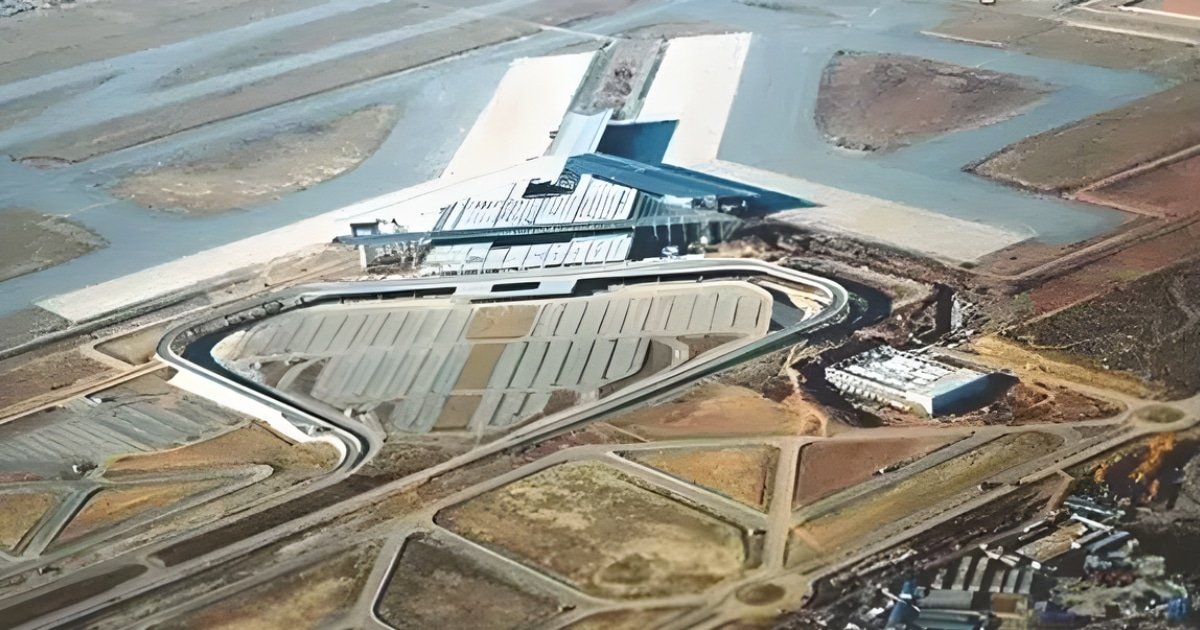





The Government of Pakistan has reached a critical milestone in its plan to outsource Islamabad International Airport (IIA). On Wednesday, February 18, 2026, the Privatisation Commission Board officially constituted a Negotiation Committee to finalize a partnership with the Asian Development Bank (ADB).
This move follows the government’s decision in late 2025 to pivot from a “Government-to-Government” (G2G) deal to an open, competitive bidding process to ensure maximum transparency and value.
Key Developments (February 2026)
| Feature | Details |
| Advisor Appointment | A high-level committee is now negotiating the Financial Advisory Services Agreement (FASA) directly with the ADB. |
| Transaction Model | Long-term concession model (outsourcing operations/management while retaining state ownership). |
| Primary Goal | Enhancing operational efficiency, modernizing infrastructure, and improving service standards to international levels. |
| Wider Scope | IIA is being treated as the “pilot project” before similar models are applied to Karachi and Lahore airports. |
Pakistan will outsource Karachi, Lahore, and Islamabad airport operations after PIA’s privatization. Officials also plan a new domestic airline, South Air, for Balochistan, and aim to boost tourism with charter helicopters and heliports.@NuktaPakistan pic.twitter.com/dfBOy7QxdC
— Ali Hamza (@alihamzaisb) January 6, 2026
Strategic Shift: Why ADB?
The Privatisation Commission, chaired by Muhammad Ali, chose the ADB as a technical partner to act as an “honest broker.” The ADB will be responsible for:
- Due Diligence: Conducting comprehensive legal, financial, and technical audits of the airport.
- Tender Structuring: Designing the competitive bidding process to attract top-tier global airport operators (such as those from the UAE, Qatar, or Europe).
- Valuation: Setting a fair and transparent benchmark for the concession fee and revenue-sharing terms.
Timeline & Context
- January 2026: The Board formally recommended the inclusion of IIA in the active privatisation program after the Cabinet ruled out a direct sale to foreign states.
- February 18, 2026: Along with the ADB negotiations, the Board approved the Commission’s audited financial statements for 2024–25, reaffirming its commitment to a “rule-based” divestment process.
Current Economic Impact
This divestment is a core component of Pakistan’s structural reforms agreed upon with the IMF. By outsourcing airport management, the government hopes to:
- Reduce Fiscal Burden: Transitioning maintenance and expansion costs to the private sector.
- Boost Non-Aeronautical Revenue: Maximizing income from retail, lounges, and parking—areas where the current management often falls short.
You May Also Like: PHF and PSB Point Fingers Over Pro League Mess in Australia
Check out our latest video: