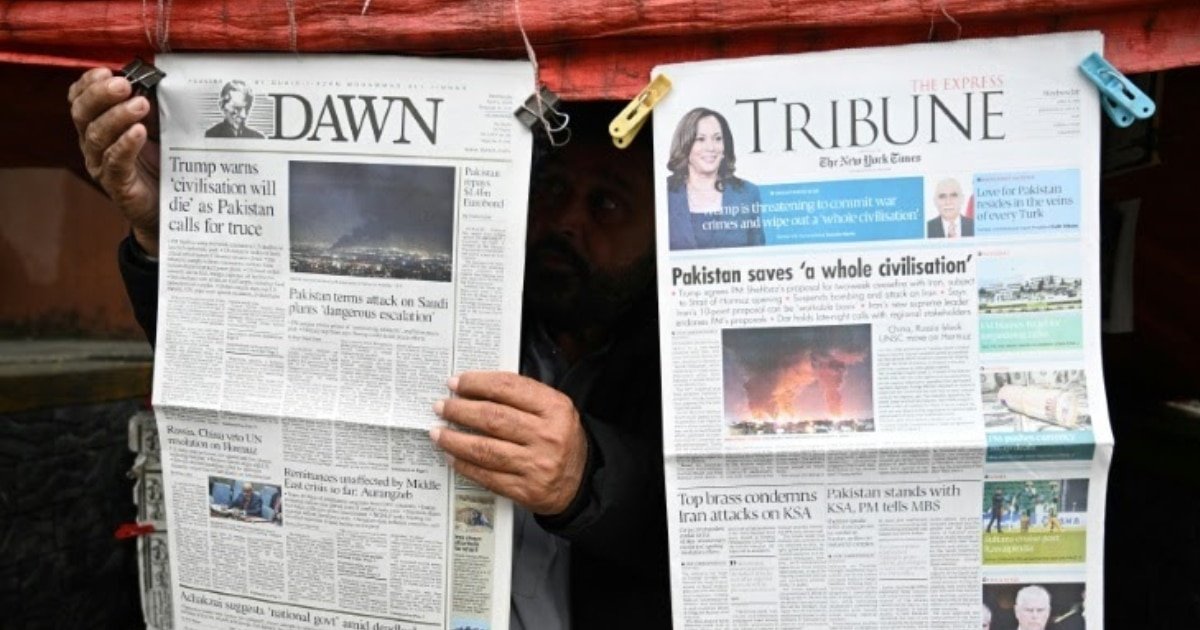



ISLAMABAD — Pakistan has officially taken center stage in global diplomacy as it prepares to host in-person negotiations between the United States and Iran starting Friday, April 10. While the “Islamabad Venue” represents the most significant breakthrough in the 40-day conflict, the talks begin under the shadow of a precarious ceasefire and renewed regional violence.
“[Islamabad’s] role as a global peacemaker is the result of personal diplomatic investment in Iran and the protection of international law.”
Analysts say backchannel talks led by Pakistan result in temporary US-Iran ceasefire after weeks of fighting https://t.co/SsdJPft8O6 pic.twitter.com/MFJ6UpmvXw
— Al Jazeera English (@AJEnglish) April 8, 2026
The Summit at a Glance
-
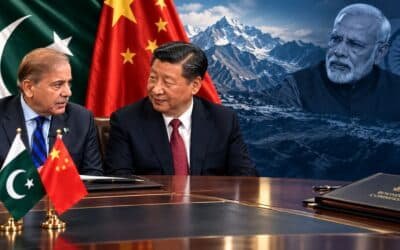
The Mediation: A two-week truce brokered by Prime Minister Shehbaz Sharif and Field Marshal Asim Munir averted imminent U.S. strikes.
-
U.S. Delegation: Led by Vice President JD Vance, alongside special envoys Steve Witkoff and Jared Kushner.
-
Iranian Delegation: Led by Foreign Minister Abbas Araghchi and Parliamentary Speaker Bagher Ghalibaf.
-
The Foundation: Negotiations are based on Iran’s 10-point proposal, which the U.S. has accepted as a “workable basis.”
A fragile US-Iran ceasefire entered its second day as Pakistan prepares to host high-stakes talks between the two sides in Islamabad. pic.twitter.com/GqqICCkYQm
— Pakistan TV Digital (@PakistanTVcom) April 9, 2026
Diplomatic Breakthrough vs. Regional Reality
Despite the arrival of a 30-member U.S. advance team and the declaration of public holidays in Islamabad to facilitate the talks, the situation on the ground remains volatile.
Diplomatic efforts for peaceful settlement of the ongoing war in the Middle East are progressing steadily, strongly and powerfully with the potential to lead to substantive results in near future. To allow diplomacy to run its course, I earnestly request President Trump to extend…
— Shehbaz Sharif (@CMShehbaz) April 7, 2026
Violations of ceasefire have been reported at few places across the conflict zone which undermine the spirit of peace process. I earnestly and sincerely urge all parties to exercise restraint and respect the ceasefire for two weeks, as agreed upon, so that diplomacy can take a…
— Shehbaz Sharif (@CMShehbaz) April 8, 2026
The ‘Lebanon Loophole’
A major point of contention has emerged regarding the scope of the truce:
-
The U.S. Position: Washington maintains the ceasefire excludes Lebanon and applies only to direct U.S.-Iran hostilities.
-
The Iranian Position: Tehran insists on a comprehensive cessation of hostilities across all theaters. Speaker Ghalibaf warned that Israeli strikes in Lebanon and incursions into Iranian airspace have already violated three key clauses of the 10-point proposal.
“The US must choose — ceasefire or continued war via Israel. It cannot have both,” stated Foreign Minister Araghchi, warning that Iran may withdraw from the talks if violations persist.
The Negotiation Table: 10 Points vs. 15 Points
The Friday session will attempt to reconcile two vastly different visions for regional security:
| Issue | Iran’s 10-Point Framework | U.S. Perspective |
| Nuclear Rights | Recognition of right to enrichment. | Removal of nuclear material; strict limits. |
| Sanctions | Immediate removal of primary/secondary sanctions. | Conditional lifting based on verification. |
| Military | Withdrawal of U.S. forces from the region. | Retention of bases for “Freedom of Navigation.” |
| Compensation | Reparations for war-related damages. | Focused on civilian energy & infrastructure aid. |
Islamabad: A Fortress of Peace
To ensure the safety of the high-level dignitaries, the Pakistani government has implemented unprecedented security measures:
-
Total Seal: The Red Zone and Faisal Avenue have been restricted.
-
Logistics: A major hotel has been fully reserved for the delegates.
-
Holidays: April 9 and 10 have been declared public holidays in the twin cities to ease VVIP movement.
Prime Minister Shehbaz Sharif, following a “warm and substantive” call with Iranian President Masoud Pezeshkian, described the summit as a “historic moment” to secure a conclusive agreement.
I had a warm and substantive conversation with President Masoud Pezeshkian of Iran, this afternoon.
I conveyed my deep appreciation for the wisdom and sagacity of the Iranian leadership in accepting Pakistan’s offer to host peace talks in Islamabad later this week to work…
— Shehbaz Sharif (@CMShehbaz) April 8, 2026
International Backing
Pakistan’s role as the “honest broker” has drawn widespread praise. China has coordinated closely with Islamabad, while Saudi Arabia, Turkiye, Egypt, and the EU have credited the Pakistani leadership with providing a critical off-ramp to a conflict that threatened to ignite a global energy shock.
As Vice President Vance noted before his arrival, the U.S. is “impatient to make progress,” but the success of the Islamabad talks hinges on whether both sides can overcome deep-seated mistrust and the escalating violence in the Levant.
You May Like To Read: PM Shehbaz Eyes Permanent Peace as Cabinet Hails Pakistan’s Diplomatic Triumph
Check out our latest video: