


Power Closest to the People
Local government is the part of democracy that is closest to the people. It helps resolve problems in towns, villages, and neighbourhoods. It addresses everyday issues like clean streets, water supply, schools, clinics, and streetlights.
In Pakistan, local elections have often been delayed or overlooked. This causes significant problems. When local councils are absent, essential services decline. People feel ignored and unsupported. This weakens confidence in the system.
Restoring local elections is not only a legal obligation but also a moral responsibility. A sound system considers the people’s voices and responds to their needs. This aligns with Islamic principles of justice, fairness, and consultation (shura).
The Current State of Local Governments in Pakistan
In many regions of Pakistan, local governments are not functioning properly. Punjab has not conducted local elections since 2019. In Sindh and Balochistan, elections are often postponed. Occasionally, unelected officials are managing local bodies instead of elected leaders.
This impacts services such as rubbish collection, water supply, road maintenance, and public health. When no one is elected to represent people locally, problems remain unresolved.
A 2023 Gallup survey showed that 65% of people in Pakistan feel disconnected from their local administration. That means most citizens don’t feel heard by those in power around them.
Legal Framework and Delays
The Constitution of Pakistan clearly states in Article 140-A that every province must have an elected local government. Still, this does not always happen.
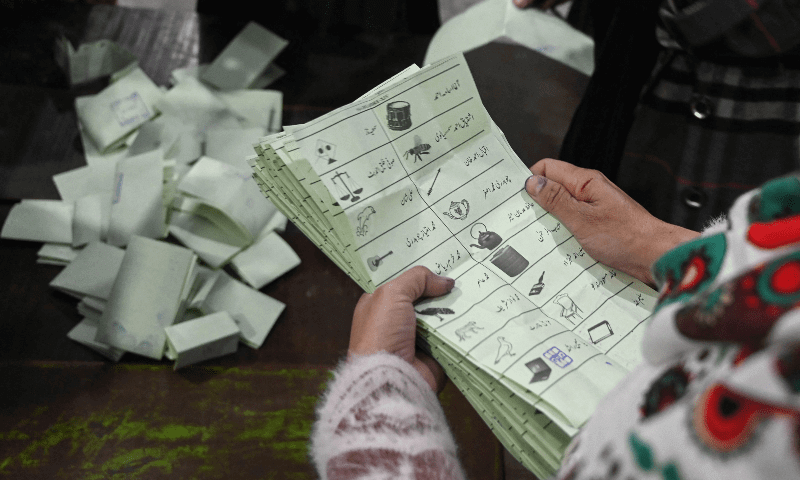
Local elections are often delayed due to political reasons or pending court cases. The Election Commission of Pakistan (ECP) also faces its own challenges. It sometimes lacks funding, personnel, or security assistance. In 2022, many local elections were delayed, despite the Supreme Court ruling that they must be held.
Additionally, laws governing local governments are constantly evolving. This makes people confused. Voters often lack knowledge of how the system operates or who is in charge. Constant changes erode trust and hinder democracy’s growth at the local level.
Why Grassroots Democracy Matters
Local democracy involves giving power to the community members. Local leaders are more familiar with the area than distant officials. They understand issues like broken roads, water shortages, or school problems. They can resolve small issues more quickly.
When there are no local leaders, these problems grow. For example, during the 2020 floods in Karachi, poor city planning and a weak local government exacerbated the disaster. Roads flooded, power went out, and help arrived late.
When local governments work, life becomes easier for everyone. Roads are repaired on time. Trash is collected. Schools and clinics improve. People have someone they can call or meet when a problem happens.
Islamic Values and Local Accountability
Islam teaches that leadership is a trust. It should be entrusted to those who are honest, fair, and genuinely care for the people. The Prophet Muhammad (PBUH) often sought advice from his companions. He also delegated local authority to those who understood the needs of their community.
This idea is called shura, which means mutual consultation. It is an important element of Islamic governance. Modern local elections serve as a way to practice shura. They allow people to select leaders who understand their issues and are committed to addressing them.
Supporting local democracy is part of our responsibility as Muslims. It helps ensure that everyone’s voice is heard and that everyone’s rights are protected.
The Role of the ECP and the Need for Reform
The Election Commission of Pakistan (ECP) has a significant role to play. It must organise fair, regular, and timely elections. However, to achieve this effectively, the ECP requires additional support.
The government must provide it with sufficient funding, personnel, and security to conduct elections smoothly. The laws around local governments should stay stable. If rules change too often, it confuses voters and weakens the system.
The ECP must also make sure elections are fair. All candidates must follow the same rules. Fake votes, delays, and poor planning must be stopped.
Making Local Government Strong Again
To revive strong local governments in Pakistan, we need to take clear and decisive steps. First, all provinces must hold local elections regularly and on time. According to ECP reports, more than 70% of local government terms have expired in the last four years without new elections being held.
The Election Commission should receive sufficient funds and support to perform its duties effectively. In the 2023 budget, only Rs. 3.5 billion was allocated for all local elections nationwide, far less than needed for proper outreach and logistics. Laws must also remain stable so voters and candidates understand how the system works and feel confident using it.
We must also protect the independence of local bodies. These councils must be allowed to function without interference from higher authorities. Lastly, people must understand why their vote matters. Schools, mosques, and the media should educate people about the importance of local government and encourage them to participate.
Conclusion: Building Democracy from the Ground Up
Local governments are the primary and most immediate connection between the people and the state. When they are absent, services fail, citizens feel neglected, and democracy loses its strength. Delays, poor planning, and insufficient funding in local elections highlight a broader issue—they show that local concerns are being ignored.
To address this, we must reconnect the system with the people. That begins by holding regular, fair, and well-organised local elections. It also involves educating the public, supporting local leaders, and providing them with the tools to perform their roles.
Strong local governments improve communities by repairing roads, tidying streets, and resolving issues swiftly. They also help bring people together by giving everyone a voice. Most importantly, they teach democratic habits from the ground up—how to listen, how to decide, and how to lead.
Reviving local government is more than a return to democracy. It involves restoring fairness and compassion, and creating a Pakistan where everyone counts—from small streets to large cities.