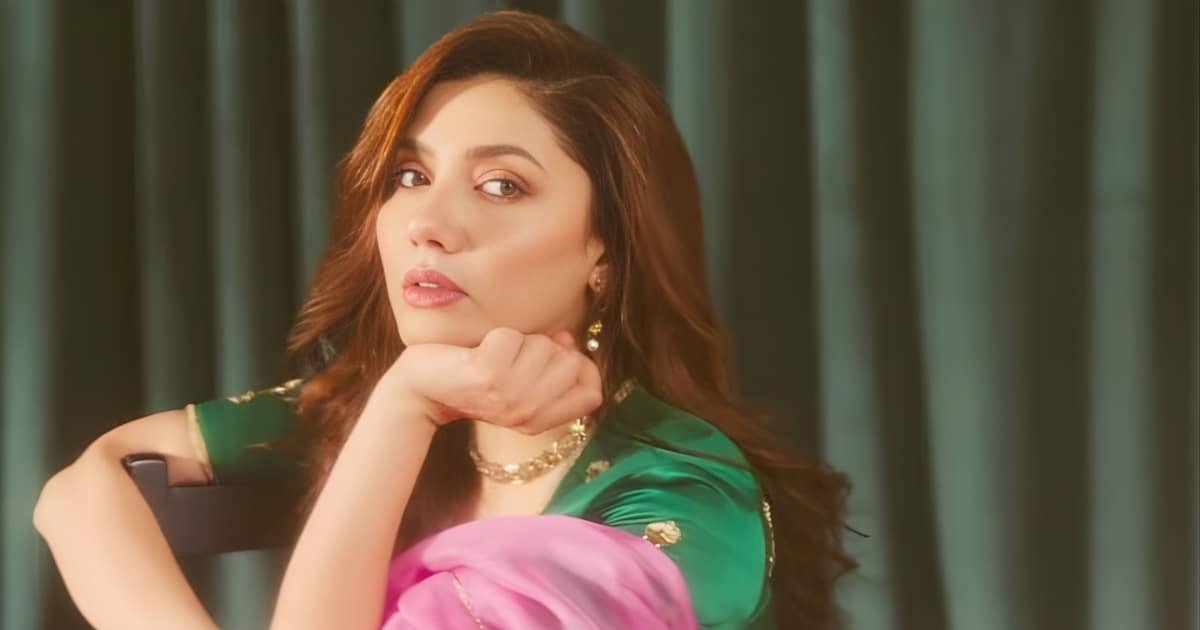


In the promotional lead-up to the release of Neelofar, the highly anticipated reunion of the Humsafar duo, Fawad Khan and Mahira Khan, a second narrative has run parallel to the film’s romantic story: the carefully constructed, high-fashion performance off-screen, embodied by Mahira Khan’s meticulous promotional wardrobe.
The modern film press tour has fundamentally changed. It is no longer a passive series of interviews; it is a meticulously planned, multi-city fashion spectacle where the star’s clothes are an extension of the marketing campaign. Mahira Khan, a star acutely aware of her dual role as an actress and a cultural icon, and particularly conscious of the immense legacy and scrutiny of the Humsafar pairing, has delivered a masterclass in this high-stakes game for Neelofar, defining a new, sophisticated aesthetic for Pakistani cinema promotion.
View this post on Instagram
Press Tour as Strategic Performance
The concept of “method dressing”, where an actor’s press tour wardrobe consciously echoes the themes, colours, or aesthetic of their film, has become the global standard, driven by the demands of digital media and the need for perpetual visibility. From Zendaya’s conceptual, futuristic gear for Dune to Margot Robbie’s playful, doll-perfect vintage looks for Barbie, the goal is always the same: to create viral, visual content that sustains the film’s presence in the public consciousness.
For a film like Neelofar, a poignant, old-school romance about a visually impaired girl and a writer, the stakes are both cultural and commercial. The press tour fashion is tasked with fulfilling multiple, simultaneous objectives. Creating enough high-quality, visual noise to compete effectively against massive international and Bollywood releases and subtly communicating the film’s unique emotional core, a sense of purity, vulnerability, and quiet strength, without revealing the plot.
Acknowledging the weight of the Fawad-Mahira reunion, which requires an aesthetic that feels both nostalgic and refreshingly mature.
View this post on Instagram
Quiet Luxury and Cultural Fidelity
Mahira Khan’s press tour, executed with precision by her styling teams, has been a cohesive aesthetic statement centered on “quiet luxury” and profound cultural reverence.
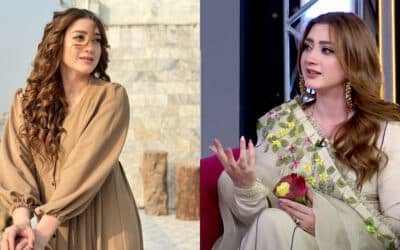
The looks strategically avoided the harsh, loud designer wear typical of high-glamour premieres. Instead, the colour palette was dominated by pastels, soft neutrals (creams, ivory, soft pinks, gentle mints), and subtle, intricate florals. This choice directly reflects the film’s synopsis, a love story rooted in purity and analogue emotion, signalling grace, quiet strength, and timelessness. It is a purposeful and sophisticated contrast to the maximalist, heavy jewelry aesthetic she sported for her previous action blockbuster, The Legend of Maula Jatt.
View this post on Instagram
The Economic Impact on Local Couture
Crucially, the Neelofar tour has been a resounding success for the Pakistani fashion ecosystem. Mahira’s choices served as a direct economic endorsement of domestic talent, showcasing that world-class elegance can be found entirely at home. Her wardrobe featured major statements from local labels, turning them into overnight global talking points.
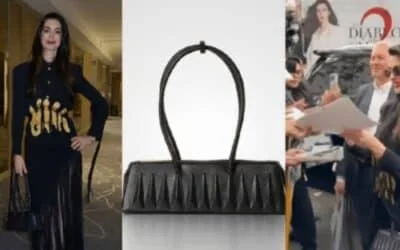
By championing designers like DYOT and Riffat Aliani, whose work features intricate hand-embroidery, traditional silhouettes, and fine fabrics, she provided a spotlight that directly benefits local artisans and weavers.
By leaning heavily on traditional wear (particularly lightweight organza saris, fine cotton shalwar kameez, and delicate chikankari), she championed cultural fidelity over a purely Western red-carpet aesthetic, effectively turning the desi silhouette into a global statement of effortless elegance.
View this post on Instagram
Accessories as Strategic Branding
Even the finishing touches were part of the strategy. The consistent use of khussas (traditional embroidered footwear) or elegant flats instead of high heels was a powerful, symbolic choice that grounded the entire look in a familiar, comfortable Pakistani identity. Furthermore, her makeup was characterized by a “no-makeup makeup” look, minimalist and dewy, with subtle antique or vintage-coded jewellery. This choice reinforces the film’s theme of authenticity and innocence, ensuring her face, and not just the clothes, communicated the desired emotional tone.
View this post on Instagram
The Perils of the Hyper-Curated Image
While strategically brilliant and commercially successful, this kind of hyper-curated press tour is not without its pitfalls, reflecting the constant, exhausting pressure on modern celebrity. The modern press tour demands the actor perform a constant, camera-ready version of their authentic self. Every outfit, every accessory, every smile, and every candid moment is a planned data point for a social media post, often approved by a team of stylists and managers. This relentless, high-pressure performance leaves little to no room for genuine spontaneity and creates an exhausting cycle where the celebrity persona becomes almost entirely inseparable from the marketing brand.
View this post on Instagram
The Focus on Fashion Over Film
Perhaps the greatest paradox is the risk that the fashion narrative can threaten to overshadow the cinematic one. When a press tour becomes too visually arresting, critics and fans risk spending more time dissecting the price tag or thread count of a designer outfit than analyzing the film’s themes, directorial vision, or the challenging artistic commitment of playing a visually impaired character. This is the central, modern challenge of film marketing: fashion is essential for driving engagement, but it risks reducing complex cinematic art to digestible, ephemeral visual content.
View this post on Instagram
A New Blueprint for the Red Carpet
Mahira Khan’s Neelofar press tour has cemented her status as the gold standard for South Asian celebrity branding. She has demonstrated a sophisticated understanding that the contemporary press tour is a nuanced strategic tool, a subtle, multi-layered performance that can simultaneously promote a film, champion local designers, communicate cultural fidelity, and maintain a powerful, recognizable personal brand.
As Neelofar opens, the success of the film will be judged on its own merits. But one fact is undeniable: Mahira Khan has successfully transformed the seemingly simple act of getting dressed into the most compelling, economically beneficial, and culturally resonant trailer for her movie. She has given the Pakistani fashion and film industry a new, beautiful, and strategically complex blueprint for the global red carpet.