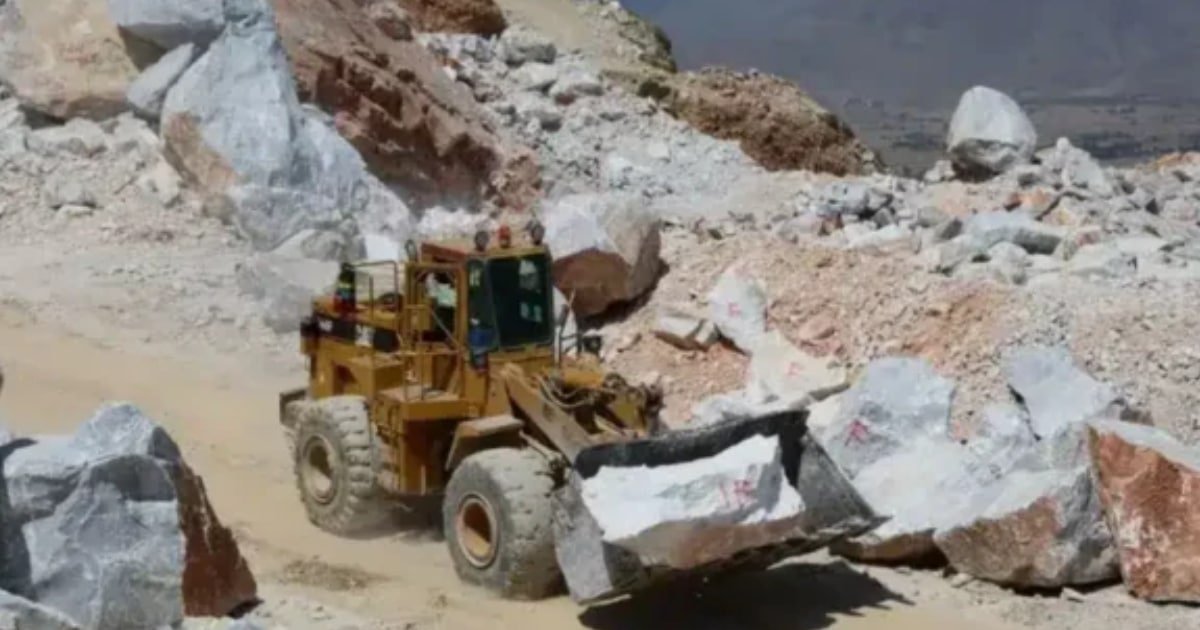





MOHMAND — The rapid, unregulated expansion of the marble industry in Mohmand district has sparked severe environmental and safety concerns among residents and experts. While the sector is a vital economic engine—providing thousands of jobs across approximately 200 processing units—the direct discharge of industrial waste into natural streams is now threatening to trigger flash floods and neutralize critical water storage dams.
Key Highlights
-
Industrial Slurry Crisis: Untreated wastewater and marble dust are being discharged directly into seasonal streams, obstructing natural drainage.
-
Infrastructure at Risk: Strategic water projects, including the Abdul Shakoor Small Dam and local check dams, are facing rapid sedimentation and loss of storage capacity.
-
Relocation Failure: Despite the establishment of the Mohmand Economic Zone (formerly Mohmand Marble City) at Machnai, the majority of factories continue to operate in unauthorized areas like Halimzai tehsil.
-
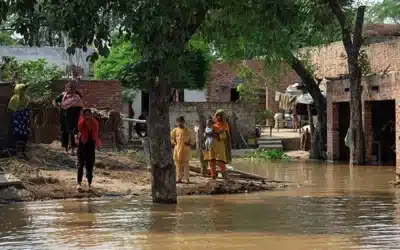
Flood Warning: Experts warn that blocked waterways will lead to disastrous flash floods during heavy rainfall, endangering homes and agricultural land.
The Choking of Natural Waterways
Located primarily along the banks of seasonal streams from Chanda to Sangar and the Nasapai area, marble units are accused of bypassing environmental protocols. The byproduct of marble cutting—a thick, white slurry—solidifies in streambeds, effectively raising the bed level and narrowing the channels.
“Blocking these natural drainage channels could have disastrous consequences,” a local official warned, noting that the district’s road infrastructure and farmland are now in the direct path of potential floodwaters.
Impact on Water Security and Fisheries
The environmental degradation has hit the government’s water conservation efforts the hardest:
-
Sedimentation: A check dam near Chanda Bazaar is reported to be nearly filled with industrial debris.
-
Fisheries Threat: The Abdul Shakoor Small Dam near Ghalanai, which was recently stocked with fish by the fisheries department, is at risk of becoming ineffective due to toxic silt.
-
Irrigation Loss: Farmers fear that if the dams lose their storage capacity, the district will return to a state of acute water scarcity.
Administrative Inertia and Public Frustration
Community elders and observers expressed deep frustration over the perceived inaction of the district administration, the Tehsil Municipal Administration (TMA), and the Environmental Protection Agency (EPA). Despite repeated public complaints, residents allege that no practical steps have been taken to enforce Standard Operating Procedures (SOPs).
Proposed Corrective Measures
Stakeholders and environmental experts are calling for immediate intervention, including:
-
Mandatory Relocation: Forcing hazardous units to move to the designated Mohmand Economic Zone.
-
Waste Bans: Strictly prohibiting the dumping of slurry into natural streams.
-
Desilting Operations: Urgent clearing of blocked waterways and dams to restore drainage and storage capacity.
-
Monitoring Systems: Establishing a robust oversight mechanism to ensure industrial compliance.
The marble industry remains a cornerstone of the local economy, but experts emphasize that without a transition to “Green Industrialization,” the very resources that provide livelihoods may eventually destroy the district’s ecological balance.
You May Like To Read: KP Govt Rolls Out 500-Camera ‘Safe City’ Network in D.I. Khan
Check out our latest video: