




ISLAMABAD, Oct 18 – Pakistan received only $600 million in foreign assistance following the devastating 2022 floods, despite incurring damages and losses exceeding $30 billion, Planning Minister Ahsan Iqbal revealed on Friday.
Speaking at a press briefing in Islamabad, the minister criticized the global community’s response, stating that although a $100 billion global climate finance fund had been pledged, Pakistan did not receive even $1 billion in actual aid. “This is an irony,” he said, adding that most international commitments came in the form of loans, often repurposed from existing facilities.
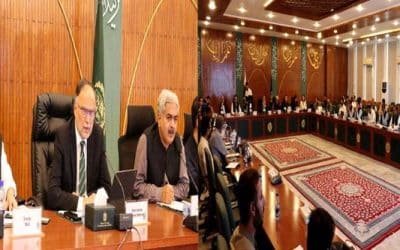
Pakistan’s rapid #population growth is exerting unprecedented pressure on its economy, resources, and social fabric. Recognizing the urgency, chaired a high-level meeting of the committee formed under the directives of the Prime Minister to chart a coordinated national response.… pic.twitter.com/JcD0lOMsc0
— Ahsan Iqbal (@betterpakistan) October 15, 2025
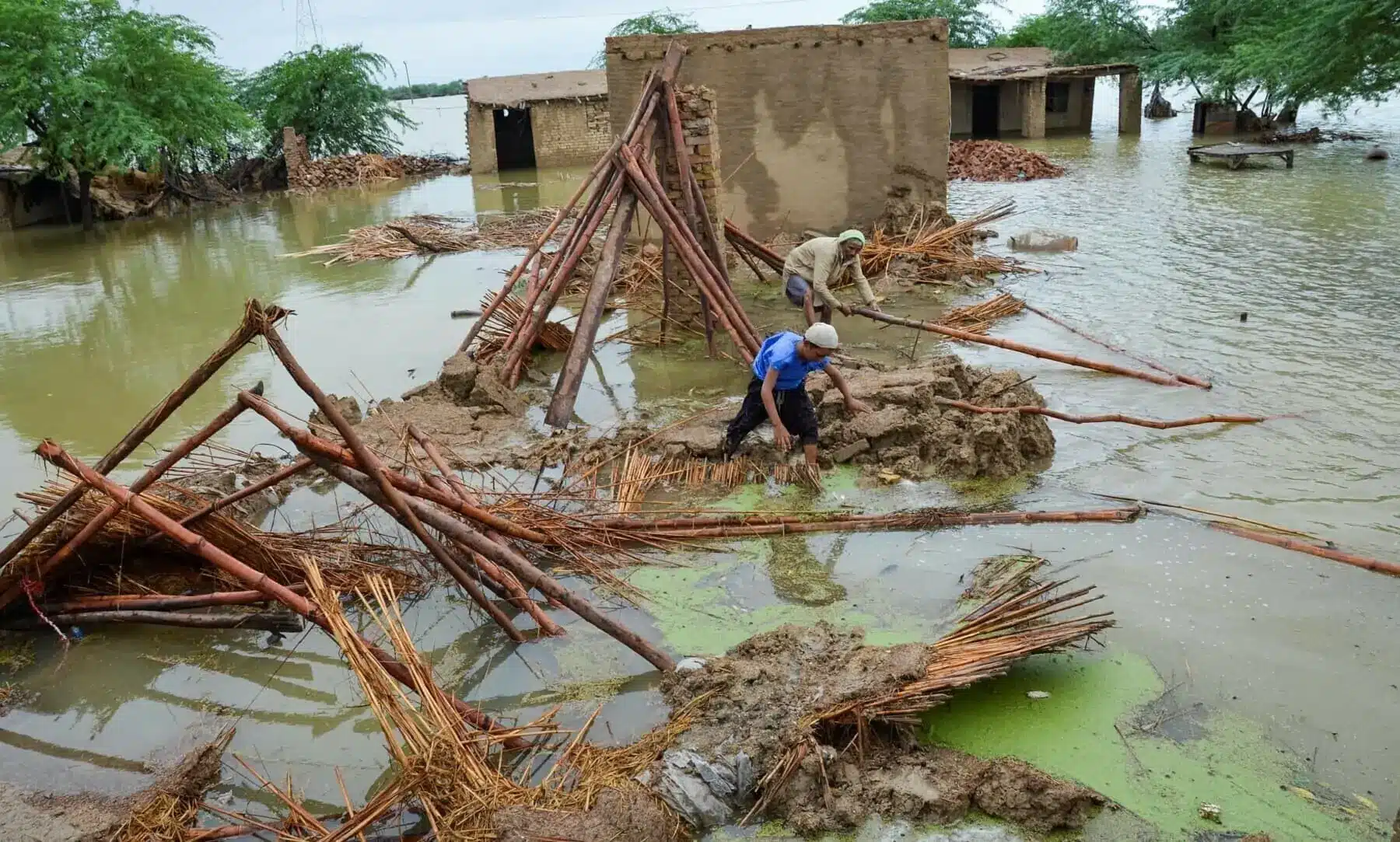
In light of this, Iqbal announced that the government has decided to self-finance recovery efforts from the most recent floods, which have caused an estimated Rs822 billion (approx. $2.9 billion) in damage across agriculture, infrastructure, and housing.
Preliminary figures show that over 1,039 lives were lost and 1,067 people injured, with damage to more than 229,000 homes, 2,811 km of roads, 2,200 schools, 250 health facilities, and 866 water infrastructure assets. Crop losses include up to 3.4 million cotton bales, 1 million tonnes of rice, and up to 3.3 million tonnes of sugarcane.
You May Also Like: IMF Flags Revenue Shortfalls, Pension Pressures in Pakistan’s Fiscal Outlook
Punjab was the worst-hit province, accounting for Rs632 billion of the total damage. Around 6.5 million people across 70 districts were affected, with nearly 4 million temporarily displaced.
Iqbal also outlined the government’s broader reform agenda, announcing 2026 as the “Year of Reform”, focusing on structural changes in the economy, governance, and investment climate. A three-year roadmap is being developed to promote wealth creation, remove bureaucratic barriers, and attract private sector investment.