



Pakistan’s exports climbed 9.54 percent in July, the first month of FY27, the Pakistan Bureau of Statistics reported on Wednesday. Good news, on paper. But the trade deficit widened at the same time, as imports grew even faster than exports did — a pattern that has defined Pakistan’s trade numbers for years now, and one that this month’s data does little to break.
Key Highlights
- Exports rose 9.54pc year-on-year in July, reaching $2.94 billion
- Month-on-month, export proceeds jumped 31.09pc
- Imports surged 17.99pc to $6.88 billion, widening the trade deficit to $3.95 billion
- FY26 exports missed their annual target by $4.87 billion and contracted 5.97pc
- Planning ministry has revised its export target to $100 billion by 2035
Pakistan’s trade deficit narrowed to $3.95 billion in July 2026, a 15% improvement from June 2026, driven by a sharp 31% jump in exports.
But zoom out and the picture flips: imports have surged 18% over the past year while exports crawled up just 9.5%, pushing the deficit 25%… pic.twitter.com/B7SzY6JNCk
— Economic Policy & Business Development (@EPBDT) August 6, 2026
A Good Month, In a Bad Year
Export proceeds stood at $2.94bn in July, up from $2.68bn a year earlier. That’s a solid jump, and the month-on-month growth was even sharper, at 31.09 percent. Officials say the real effect of this year’s budgetary measures on exporters may not show up until later in the fiscal year. So take July as an early signal, not a verdict.
Context matters here. FY26 was not a good year for Pakistan’s exporters. The country missed its annual export target by $4.87bn and posted a 5.97 percent contraction compared to the year before, down to $32.04bn from levels the PML-N-led coalition had hoped to grow, not shrink. Four years in, that’s not the trajectory anyone in Islamabad wanted to be explaining.
Big Targets, Bigger Gaps
The planning ministry once projected exports would hit $60bn by 2030. That number now sits mostly in official paperwork, rarely mentioned outside it. The ministry has since revised its ambitions upward instead, setting a fresh goal of $100bn by 2035. Analysts, unsurprisingly, note that such targets tend to stay aspirational unless backed by real policy execution, not just restated on a longer timeline.
The month-to-month swings tell their own story. Exports shrank in February and March, recovered briefly in April and May, then dropped 9.61 percent year-on-year in June. Growth has mostly been negative since August of FY26, with July as the outlier, up 16.43 percent that month. December was particularly rough, with export earnings down 20.41 percent.
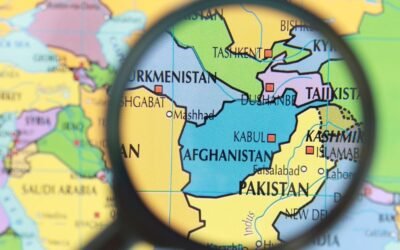
Some of this isn’t really about domestic policy at all. The Middle East conflict has weighed on exporters since February, and disruptions in the Strait of Hormuz have pushed shipping costs higher while snarling supply chains. Add to that the suspension of exports to Afghanistan since October 2025, and exporters have been navigating headwinds well beyond their control.
The Import Side
Imports rose 17.99 percent to $6.88bn in July, up from $5.84bn a year earlier, though they slipped slightly month-on-month, down 0.17 percent. Zoom out further and the pattern holds: FY26’s import bill grew 7.89 percent to $69.59bn, following a 6.57 percent rise the year before that. Imports, in other words, have been climbing steadily while exports lurch between growth and contraction.
That mismatch pushed the trade deficit to $3.95bn in July, up 25.17 percent from $3.15bn a year ago. A single strong export month can look encouraging in isolation. But until import growth slows or export growth becomes consistent rather than occasional, the gap between the two numbers is likely to keep widening, regardless of what any five-year target on paper says.